Depression Treatment
 By Emily Mendez, M.S., Ed.S., mental health counselor and author.
What is Depression?
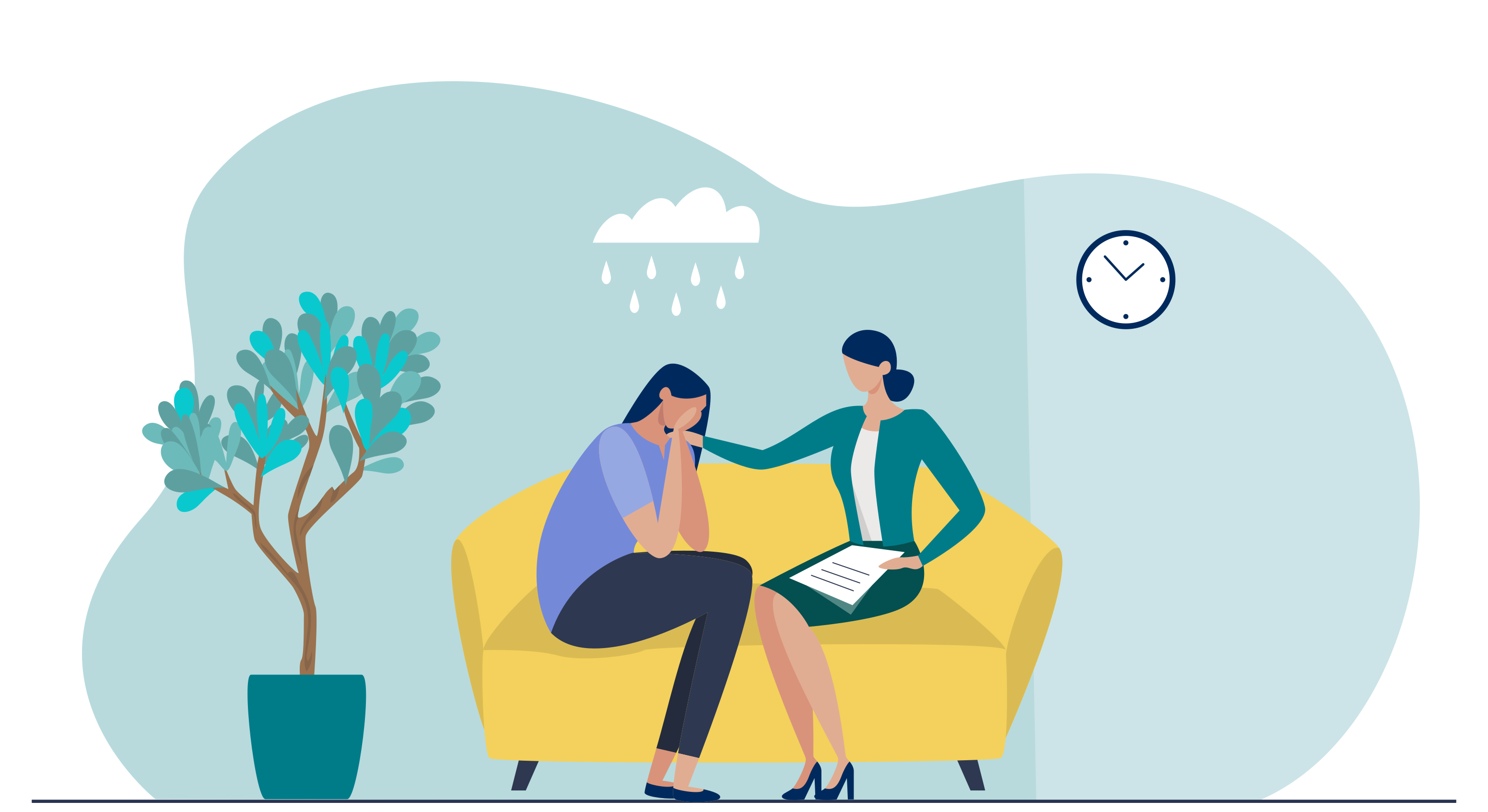
Depression is a medical illness that affects both the mind and body. It can change how you feel, think and behave. Depression is more than just a case of the blues —it is a chronic condition that may require long-term treatment. When feelings of extreme sadness or despair last for two weeks or more and begin to interfere with normal living, it could indicate depression.
Depression is not just “sadness” or feeling down. Depression can make you feel helpless and hopeless. You may feel guilty or blame yourself for feeling this way. Depression can interfere with your ability to function in your daily life, hold a job, or maintain a relationship. Some people with depression may even have thoughts of suicide or death.
The good news is most people with depression feel better with medication, psychological counseling, or another form of treatment. Understanding the signs and symptoms of depression can go a long way in finding the most effective treatment option for you. Once you recognize the signs of depression, you can seek the treatment you need to find relief and start to feel like yourself again.
Signs & Symptoms of Depression
Knowing the symptoms of depression is the key to getting the help that you need. The severity, frequency and duration of symptoms will vary from person to person. However, there are some common signs and symptoms that many people with depression experience:
Here are some of the most common signs of depression.
- A persistent feeling of deep sadness, anxiousness and worry, or emptiness that you just can’t shake regardless of what you try.
- Feelings of hopelessness and helplessness. A belief that nothing will ever get better and there’s nothing you can do.
- Strong feelings of worthlessness, guilt, or being overly self-critical.
- Low tolerance for daily frustration; generally feeling irritable, restless, or agitated.
- An overall loss in the ability to feel pleasure or joy; no longer being interested in former hobbies, pastimes, social activities, or sex.
- Feeling physically drained or an overall sense of sluggishness. Your whole body may feel heavy, and completing a small task seems exhausting and overwhelming.
- Difficulty remembering details, making decisions, or focusing on a single activity or topic.
- Insomnia, early-morning wakefulness, or oversleeping (also known as hypersomnia).
- Overeating or loss of appetite resulting in significant weight gain or loss.
- Thoughts of suicide, or suicide attempts.
- Persistent, unexplained aches and pains such as headaches, muscles aches, cramps, or digestive problems.
- Social isolation, not wanting to be with other people, or feeling like you are alone in the world.
- Lack of motivation to complete even the simplest tasks like getting out of bed, bathing, or brush your teeth
- Not being able to keep up with responsibilities like work, preparing meals, or caring for your family.
Types of Depression
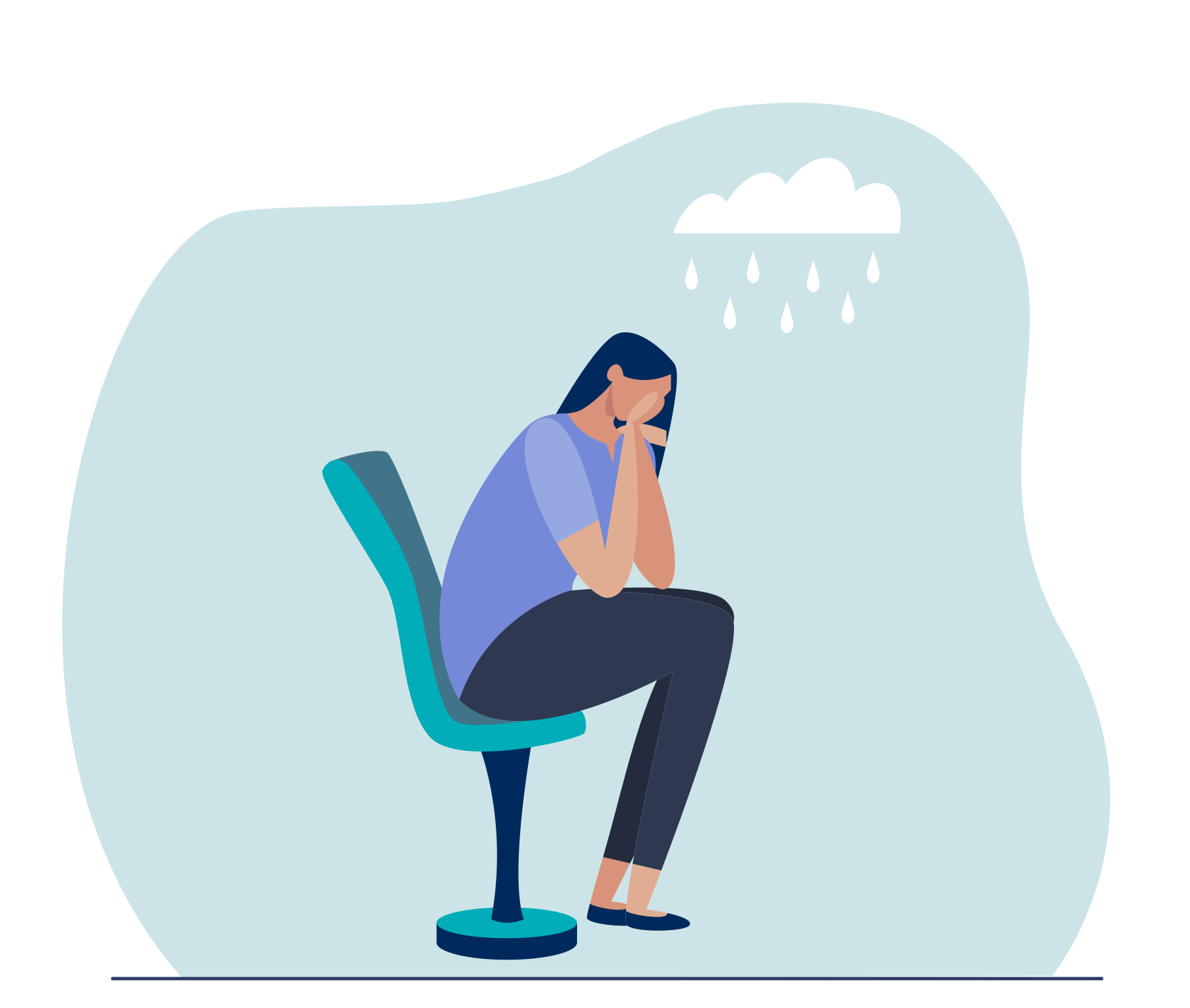
There are several types of depressive disorders, each with unique symptoms, causes, and effects. Knowing what type of depression you are dealing with can go a long way in helping to manage symptoms as well as select the most effective treatment program.
Your doctor or therapist can make an assessment based on the severity and duration of your symptoms.
The most common types of depression are:
Major Depressive Disorder
Major depression is characterized by six or more symptoms of depression that significantly interfere with a person’s ability to enjoy life and experience pleasure. The symptoms are constant, ranging from moderate to severe, and if left untreated can last up to six months or longer. Major depression typically interferes with a person’s ability to carry out their normal daily activities. While an episode of major depression may occur only once in a person’s life for a certain time, it is often a recurring issue for many people. Major depression, while debilitating, is also treatable so that people who have this condition can restore their quality of life and feel like themselves again.
Persistent Depressive Disorder
Persistent depressive disorder, also called dysthymia, is a type of low-grade depression lasting at least two years or more. While the symptoms may not be as severe as major depression, dysthymia can prevent a person from fully enjoying life or feeling well. In addition, people with dysthymia often experience one or more episodes of major depression in their lifetime.
People who have dysthymia often feel like they’ve always been depressed, or that being low is “just who they are.” However, dysthymia is treatable, allowing people with the disorder to live significantly improved lives, even if the symptoms have gone unrecognized and untreated for years.
There are several less common forms of depressive disorders that exhibit slightly different characteristics or are triggered by specific events.
Less common types of depression include:
Seasonal Affective Disorder (SAD)
SAD is characterized by the onset of depression during fall and winter. The depression generally lifts during spring and summer when there is more exposure to natural sunlight. It is estimated that millions of people suffer from SAD but do not know that they have it. SAD is more common in women. People who live farther North are more likely to develop this type of depression. That is because the daylight hours are shorter. SAD begins in young adulthood, in most cases.
For some people, light therapy (exposure to artificial sunlight) can help relieve their symptoms. Others require treatment with antidepressant medication and psychotherapy during the months they are affected. Read more treatment options >
Postpartum Depression
Postpartum depression, clinically known as perinatal depression (PND), is a type of depression that a woman may get after having a baby and sometimes during pregnancy. Initially, postpartum depression may appear to be the “baby blues” or be caused by the lack of sleep and stress that accompanies having a newborn. However, the symptoms are more intense, longer lasting and interfere with daily tasks and the ability to care for the baby.
Postpartum depression is a serious condition that requires active treatment and emotional support for the new mother. Left untreated, postpartum depression can last for a year or longer. Postpartum depression symptoms can range from mild to severe and add complexity to a new marriage or relationship.
Atypical Depression
This is a common subtype of major depression or dysthymia. It is characterized by temporary “mood lifts” in response to a positive event. However, the benefits are fleeting and the depression returns. Other symptoms include increased appetite and weight gain, marked fatigue, excessive sleeping or sleepiness, an increased sensitivity to criticism or rejection, and moods that are heavily influenced by environmental factors.
Psychotic Depression
Psychotic depression is characterized by major depression accompanied by some form of psychosis, such as breaks in reality, hallucinations, and delusions. Individuals with psychotic depression may need to be hospitalized due to the severity of the symptoms.
How is Depression Diagnosed?
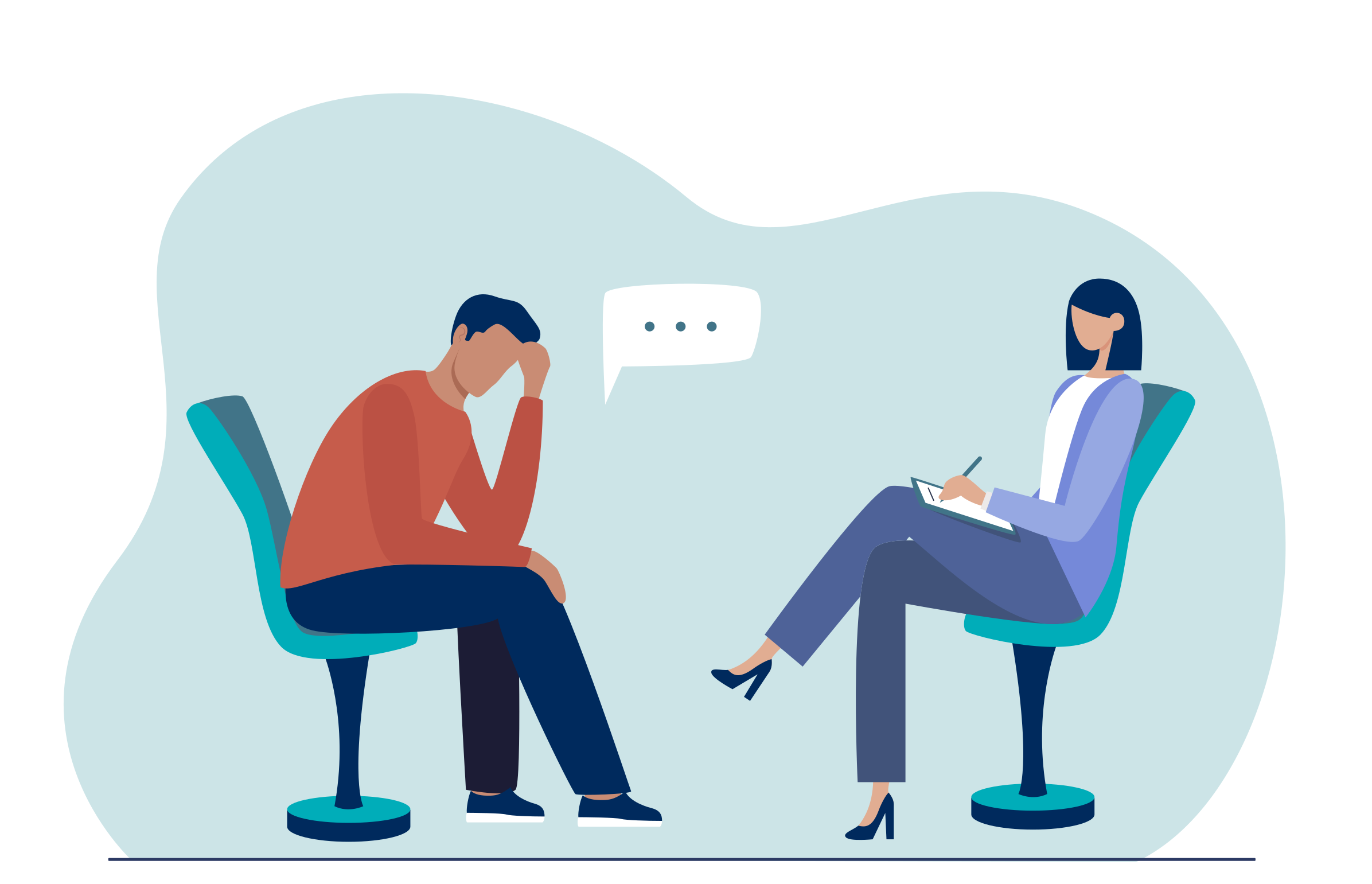
A good place to start is with your primary care physician. They may want you to get testing done to determine if the symptoms could be caused by another medical condition like an under active thyroid or changes in your hormone levels. After doing a medical exam and asking you some questions about your symptoms, your doctor may refer you to a mental health specialist such as a therapist, psychologist, or psychiatrist who can help you further.
It can be hard to talk to your doctor about depression. However, it’s important to bring it up if you are experiencing the depression symptoms listed above. Advocating for your mental health is a key step in feeling better.
Depression, even in the most severe cases, typically responds very well to treatment. Many individuals who seek treatment go on to lead healthy, productive lives. The specific treatment approach used will depend on the type of depression, its severity, and personal preferences. In general, most depressive disorders are treated with psychotherapy or counseling, medication, or some combination of the two.
Treatment Options for Depression
Psychotherapy for Depression
There are three main types of psychotherapy that have proven to be effective in treating depression:
- Cognitive-behavior therapy (CBT) – This form of therapy focuses on helping people change negative styles of thinking and behaving that may contribute to their depression and correcting or re-purposing the thinking process toward a more positive response. CBT challenges the automatic internal beliefs a person has about themselves and teaches people to view themselves through a more realistic and positive lens.
- Dialectical Behavior Therapy (DBT) – This is a form of therapy that has been found to be effective in treating depression. Dialectical behavioral therapy teaches people how to regulate strong emotions and cope with stress. It can also help people with depression improve their relationships.
- Interpersonal Therapy (IPT) – This form of therapy focuses on helping people understand and work through troubled personal relationships that may cause their depression or make it worse. Addressing issues in past and current relationships can be useful in helping a person remove themselves from toxic situations that may make their depression symptoms worse.
Medication for Depression
Medication is most effective when combined with behavioral therapy. Medication will not cure depression but can help keep symptoms under control while the person receives counseling. With treatment, many people with depression lead healthy and fulfilling lives.
There are many antidepressant medications available to treat depression, including:
- Selective serotonin reuptake inhibitors (SSRIs) – These increase serotonin levels in the brain. Popular SSRIs include Prozac, Celexa, Luvox, Lexpro, and Paxil.
- Selective serotonin & norepinephrine inhibitors (SNRIs) – These medications act on both serotonin and norepinephrine. Brand names include Effexor and Pristiq.
- Atypical antidepressants – These include Wellbutrin, Viibryd, and Remeron. Atypical antidepressants have different mechanisms of action.
There are a wide variety of antidepressants available and a person may have to try several types before they find the right medication for them. Your doctor will guide you through finding the medication, or combination of medications, that are right for treating your depression.
Sometimes people feel they have “failed” at therapy or that treatment didn’t work. However, it is important to be patient and give adequate time to a treatment plan to truly gauge its success. Many medications can take six to eight weeks before they fully begin to work and psychotherapy typically requires ongoing sessions before a person with depression begins to see an improvement in how they’re feeling. In many cases, individuals may need to try several different treatment combinations before they find the right one for them.
People with depression commonly struggle with additional mental or physical illnesses, including anxiety, anger management, eating disorders, or substance abuse which can lead to an increased risk of suicide. The earlier treatment can begin, the more effective it will be and the greater the likelihood of preventing complications from co-existing mental or physical illnesses.
Medication Management in Mental Health
SSRI Use and Long-Term Effects:
Selective serotonin reuptake inhibitors (SSRIs) are commonly prescribed for conditions like depression and anxiety. However, recent studies have raised concerns about their long-term use, noting potential side effects such as emotional numbness, cognitive impairment, and an increased risk of conditions like osteoporosis and liver disease. These findings underscore the importance of regular monitoring and reevaluation of medication plans for mental health patients (Alternative to Meds).
Emerging Options for Treatment-Resistant Depression:
Emerging Options for Treatment-Resistant Depression
Psychedelic- and anaesthetic-assisted approaches are among the more actively researched directions in depression care. In these approaches a substance is administered under medical supervision as part of a structured course of psychotherapy, with preparation sessions beforehand and integration work afterward.
The research is genuinely interesting but still early. The US National Institutes of Health has summarised work on how these compounds may affect mood, including effects on neuroplasticity and brain connectivity. A 2024 Cochrane systematic review of six randomised trials found possible reductions in anxiety and depressive symptoms among people with life-threatening illness, but rated the certainty of that evidence as low to very low — citing small sample sizes and the difficulty of blinding participants in this kind of study.
These treatments are not generally available. In Canada, access runs through clinical trials, individual exemptions, and Health Canada’s Special Access Program, which considers case-by-case requests from healthcare practitioners for patients with serious conditions where other treatments have not worked. Availability elsewhere varies, and any course of treatment is arranged and supervised by a qualified prescriber. Where a plan includes medication, Medication Therapy Management can help with monitoring and managing side effects.
Self-Help Strategies for Depression Support
Besides medical treatments, there are a number of steps that you can take to manage your depression symptoms.
Social Support Network
A compassionate and understanding social support network can be instrumental in the recovery of a person with depression. Close personal relationships with family, friends, and the community are directly linked to a person’s general sense of well-being. Positive feedback and support can help motivate a person to stay on the course of treatment.
In addition, many people with depression benefit from joining a support group or online support community. Swapping stories of success and failure can lead to some very important self-awareness improvements and inspiration. Since many people with depression isolate themselves from others, having someone they can reach out to who understands their struggles can be very beneficial. However, advice from friends or support groups should never be used as a substitute for care from a psychologist or mental health counselor.
Healthy Lifestyle Changes
Eating well, avoidance of drugs and alcohol and getting plenty of regular exercise can provide significant relief from depression symptoms. A person’s physical well-being is directly linked to their mental and emotional well-being. Making the effort to get fresh air, drink water, eat well, and doing light exercise like walking or stretching can make an impact on symptoms, even if it’s only for a short period of time. For people with depression, even a small break from their symptoms can be a tremendous relief.
Find Help with Depression Treatment
Search TherapyTribe for a psychologist or mental health counselor specializing in depression and learn more about treatment options for depression. TherapyTribe can connect individuals with therapists online or with mental health professionals in their area.
If you are thinking about harming yourself, or know someone who is, please call your doctor or 911 immediately. And make sure you or the suicidal person is not left alone. If ever you are feeling hopeless, suicidal, or simply in need of speaking with someone, there are numerous free and anonymous hotlines with trained operators available. Click here for a list of hotlines.
Depression therapists in Top Cities
- Toronto
- Los Angeles
- New York City
- Chicago
- Calgary
- Vancouver
- Houston
- Manhattan
- Denver
- Seattle
- London
- San Diego
- Dallas
- San Francisco
- Atlanta
- Ottawa
- Washington
- Mississauga
- Hamilton
- Raleigh
- Philadelphia
- Boston
- Charlotte
- Burlington
- Brooklyn
- Tampa
- Oakville
- Minneapolis
- Sydney
- Pickering
- Austin
- North York
- Boulder
- Phoenix
- Miami
- Orlando
- Nashville
- Colorado Springs
- Victoria
- Guelph
- Windsor
- Fairfax
- Melbourne
- Fort Lauderdale
- San Antonio
- Bethesda
- Las Vegas
- Santa Monica
- Ann Arbor
- Pasadena
CASE STUDY
Pandemic Impact on Depression Rates
The pandemic contributed to a significant increase in the number of people seeking help for depression. Nightline, a UK helpline for depression that has been helping people for more than 50 years, reports a 51 percent increase in calls for depression from 2020-2021. Early data for 2021-2022 suggests that numbers are 30 percent higher.
In the United States, a Harvard Study found that having depression before a COVID-19 infection increases the risk of long COVID by more than 45 percent. Depression was more of a risk factor for long COVID than physical health problems including hypertension and asthma. The above statistics highlight how mental health can impact physical health. Addressing concerns like depression can help you stay physically healthy. With treatment, many people with depression lead healthy, fulfilling lives.
References
- Ahmad Karbalaee Mohammad Meygoni, Hassan Ahadi. Declining the Rate of Major Depression: Effectiveness of Dialectical Behavior Therapy, Procedia – Social and Behavioral Sciences, Volume 35, 2012, Pages 230-236, ISSN 1877-0428, https://doi.org/10.1016/j.sbspro.2012.02.083.
- National Institute of Mental Health (2019, February). Major Depression. Retrieved April 9, 2019, from: https://www.nimh.nih.gov/health/statistics/major-depression.shtml.
- Olfson, M., Blanco, C., Marcus, S., Treatment of Adult Depression in the United States. JAMA Intern Med. 2016;176(10):1482–1491. doi:10.1001/jamainternmed.2016.5057.
- National Alliance of Mental Illness (2019, March). It’s Not Stigma, It’s Discrimination. Retrieved April 10th, 2019, from: https://www.nami.org/Blogs/NAMI-Blog/March-2019/It-s-Not-Stigma-It-s-Discrimination
- American Psychiatric Association: Diagnostic and Statistical Manual of Mental Disorders: Diagnostic and Statistical Manual of Mental Disorders, Fifth Edition. Arlington, VA: American Psychiatric Association, 2013.
- American Psychiatric Association. (2017, January). What Is Depression? Retrieved April 10th, 2019, from: https://www.psychiatry.org/patients-families/depression/what-is-depression
- Khan A, Faucett J, Lichtenberg P, Kirsch I, Brown WA. A systematic review of comparative efficacy of treatments and controls for depression. PLoS One. 2012;7(7):e41778. doi: 10.1371/journal.pone.0041778.
- Mayo Clinic. (2019, April). Depression (major depressive disorder). Retrieved April 10th, 2019 from: https://www.mayoclinic.org/diseases-conditions/depression/diagnosis-treatment/drc-20356013
- U.S. Food & Drug Administration. (2019, March). FDA Approves First Treatment For Post-partum Depression. Retrieved April 10th, 2019, from: https://www.fda.gov/NewsEvents/Newsroom/PressAnnouncements/ucm633919.htm
- U.S. Food & Drug Administration. (2019, March). FDA Approves New Nasal Spray Medication For Treatment-resistant Depression; Available Only At A Certified Doctor’s Office Or Clinic. Retrieved April 10th, 2019, from: https://www.fda.gov/NewsEvents/Newsroom/PressAnnouncements/ucm632761.htm
- American Psychological Association. (2011, October). Psychotherapy Is Effective And Here’s Why. Retrieved April 10th, 2019, from: https://www.apa.org/monitor/2011/10/psychotherapy
- Béland M, Lavoie KL, Briand S, et al. Aerobic exercise alleviates depressive symptoms in patients with a major non-communicable chronic disease: a systematic review and meta-analysis. Br J Sports Med. Published Online First: 06 February 2019. doi: 10.1136/bjsports-2018-099360.
- Ye, L., Mei-R., Yan-Jin, W., Ling, Sun., Ji-Xiang, Z., Huai-Guo, Z., Bin, L. (July, 2017). Dietary patterns and depression risk: A meta-analysis. Psychiatry Research. Retrieved April 10th, 2019 from: https://www.sciencedirect.com/science/article/pii/S0165178117301981
- ACCP Career Center. (2024). Comprehensive Medication Management: Landmark Study’s Findings and Future Directions. Retrieved from ACCP Career Center.