
Therapists in San Diego, California CA
Elaine Quattro
Marriage and Family Therapist, MFT
Among my areas of expertise are assisting men and women to find their true strengths, improving communication in all types of relationships (including understanding the gender differences that affect relationships), providing direction with career transitions (I have a business background as well), using the power of cognitive beliefs to help with depression and anxiety, and guiding those who turn to food for comfort to gain freedom through intuitive eating principles.
In addition to being an experienced relationship therapist, I have presented at International conferences and to general audiences speaking on the topics of Couples Counseling using Christian Principles, Understanding and Appreciating Gender Differences, Mastering Emotional Wellness, and the Healing Power of Forgiveness.
I am an interactive, solution-focused therapist. My therapeutic approach is to provide support and practical feedback to help clients effectively address personal life challenges. I integrate complementary methodologies and techniques to offer a highly personalized approach tailored to each client. With compassion and understanding, I work with each individual to help them build on their strengths and attain the personal growth they are committed to accomplishing.
 27 Years Experience
Ross Kellogg, LMFT
Marriage and Family Therapist, Licensed Individual, Marriage, and Family Therapist (LMFT)
Creating lasting change is hard but you don't have to figure it out alone. After our first session, we will have a clear plan for our work together and identify practical ways to start moving forward. I bring nearly 10 years of mental health experience to our work together and am always engaged in ongoing continuing education. Whether you're looking for individual or couple's therapy, there are options to improve your situation and meet your needs.
10 Years Experience
Mary Karlan
Licensed Clinical Social Worker, Licensed Clinical Social Work
Are you ready to rediscover living without the burden of emotional distress? I am an experienced, warm, and compassionate clinical social worker with years of experience treating clients with a variety of mental health conditions. I received my social work degree at Fordham University in New York City. My first year of internship was in the public school system working with at-risk teens. During my second year, I worked with couples experiencing infertility and seeking adoption. I did my post-masters training in Couples and Family therapy at Ackerman Institute for the Family in New York City. I am a mother and step-mother to nine children and four dogs.
12 Years Experience
Stephanie Sandoval - COLLECTIVE SPACE THERAPY
Marriage and Family Therapist, MA, LMFT
Living in this world can sometimes feel overwhelming, confusing, and challenging. I will meet you wherever you’re at in life and provide a safe and supportive environment for health, healing, and recovery. I work with clients towards cultivating greater self-understanding, self-esteem, confidence and uncovering what is most meaningful and enriching to their existence.
9 Years Experience
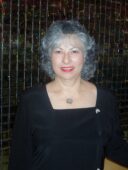
Marge Michaelson
Licensed Clinical Social Worker, LCSW, ACSW, DSW
Do you feel discouraged or are you dealing with worry, stress, anxiety, depression, relationship issues, and/or loneliness? Your struggles with self-esteem, trauma, or parenting may be preventing the quality of life you seek. You have the possibility to find solutions and relief.
We all have difficult moments in our lives. Any issue you have is not too large or small to unravel with guidance. You can address issues creating isolation, distraction, or unhappiness. Can you envision yourself opening doors to increased comfort? The sense of wanting change can lead to solutions.
Over the last 30 years, I have provided help in evaluating clients' struggles. My goal is to provide a respectful and safe place where we can work to set goals. There are specific techniques to develop understanding and possible new ways for coping. Each person's struggle is unique. I have supervised interns and worked in both nonprofit and private practice. My clients benefit from my work with a National/International Professional Affiliation
39 Years Experience
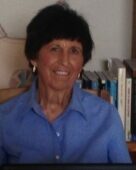
Claire Babbitt, LMFT, JD
Marriage and Family Therapist, LMFT, J.D.
I offer psychotherapy services for individuals, couples and families in a safe and confidential setting.
My psychotherapy training and experience is extensive, and each patient is treated with interest and
compassion, considering the specific needs and goals of each patient.
14 Years Experience
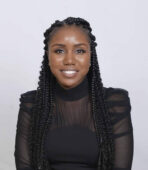
Ashanti Marshall
Therapist, LPCC
Everyone’s journey in life is different. I am here to help you continue to be the best version of you through healing and acceptance. I have 9+ years of experience working with various populations and an extensive array of mental health concerns such as anxiety and stress-management. I encourage clients to tap into their strengths and take control of their mental health for continued growth in their journey. Let’s work together to achieve your goals.
10 Years Experience
Fashion Valley Comprehensive Treatment Center
Treatment Center
Fashion Valley Comprehensive Treatment Center is committed to helping individuals overcome opioid addiction. We provide a comprehensive range of treatment services, including medication-assisted treatment (MAT), counseling, and therapy. Our experienced team of medical professionals, therapists, and addiction specialists work together to create individualized treatment plans for each patient. We believe in empowering our patients to take an active role in their recovery, and we strive to provide a supportive and compassionate environment. If you or a loved one is struggling with opioid addiction, we invite you to reach out for help. Our team is available to answer any questions and provide guidance on the path to recovery.
18 Years Experience
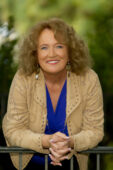
Saralee Kramer Counseling
Marriage and Family Therapist, LMFT
Relationships are so important for our personal happiness, yet they can be challenging. I'll help you solve problems and restore connection. I offer virtual therapy all over California, for both individuals and couples. My Practical Strategies, and Powerful Tools, help you quickly feel Supported, Optimistic, & more Balanced. I support Highly Sensitive People learn excellent Self Care, & Thrive. I believe developing intuition and spiritual connection matters. Holistic strategies empower clients to improve Communication and Commitments, reawaken Love, solve Issues and increase Understanding.
24 Years Experience
Christina L. Gietzen-Haraden
Psychologist, Psy.D
I am a solution-oriented, person-centered psychologist who uses a multi-modal approach to offer support and guidance to help you explore and recover from maladaptive patterns of thinking, behavior and relationships that result in emotional pain. Currently accepting new patients.
23 Years Experience

New Birth Family Counseling
Marriage and Family Therapist, PHD
Are you carrying the heavy load of trauma, feeling like an imposter in your own body? It's challenging to navigate daily life when the weight of past experiences looms over you. Your relationship may be strained because your partner doesn't understand what's wrong, and you find yourself trapped in constant ruminating thoughts, losing sight of your purpose.
Imagine a life where you've lifted that burden, and trauma becomes a distant memory that no longer weighs you down. Picture yourself out, enjoying life with friends and your partner, your bond stronger than ever. You've rediscovered your spirit and purpose.
I specialize in trauma healing by using EMDR, CPT, and Brain Spotting. These modalities aim to get to the heart of trauma and help your brain reprocess those traumatic memories. Book a free consultation and let me help you feel whole again.
2 Years Experience
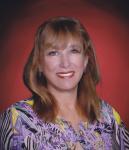
Dr. Diane Carlson
Marriage and Family Therapist, Psy.D., MFT., Holistic Psychotherapist
I am dedicated to an eclectic approach to help clients be in control of their lives and find joy. These times are confusing and overwhelming to most of us but we can face the challenges together. After 25 yrs in practice I am a seasoned therapist who is comfortable accepting your present realities.
36 Years Experience
A Place of Growth
Marriage and Family Therapist, LMFT
At A Place of Growth we have multiple therapists available to work with you to develop the tools you need to grow. We provide therapy to children over 10 ages 0-17, adults, and couples counseling. We provide individual, family, and couples therapy in San Diego.
13 Years Experience

Whole Wellness Therapy
Marriage and Family Therapist, MA, LMFT
Whole Wellness Therapy is an evidence-based practice, located in the heart of San Diego, CA. Our experienced therapists offer a compassionate approach to facing life’s challenges together. At Whole Wellness therapy, we focus on helping the WHOLE human- Mind, body, and spirit. We take a look at our clients emotions, relationships, physical health and overall wellbeing to put the pieces together on how they are all connected, as we help to uncover all the facets contributing to their current life struggles.
The best thing about our therapists, is that they’re all human too!
We treat our relationships with our clients as an opportunity to grow alongside each other, through this shared experience of humanness on our continued quest to wholeness. As we continue to expand our education, knowledge, and experience, we empower our clients to become experts of their own lives.
6 Years Experience
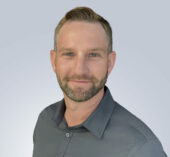
Eric van der Voort
Psychologist, PsyD, CST, CSWT
As a kink-identified Psychologist and Certified Sex Therapist, I work with kinky, non-monogamous, & LGBTQ+ people to address sexual performance anxieties, desire discrepancies, porn and/or substance use, and communication difficulties. I also help straight-identified men understand and appreciate their attraction to trans women. My inclusive practice enthusiastically welcomes those of any sexual orientation, gender identity, kink, relationship dynamic, and behaviors between consenting adults.
9 Years Experience
San Diego Comprehensive Treatment Center
Treatment Center
The San Diego Comprehensive Treatment Center offers a comprehensive approach to opioid addiction treatment, combining medications and behavioral therapies to help individuals achieve a life of sobriety. Our center is staffed with highly trained professionals who provide compassionate and individualized care. Our team works to ensure that each patient receives the highest quality of care while utilizing evidence-based treatment methods tailored to their individual needs. We are also committed to providing our patients with the support they need to lead a healthier, more fulfilling life. At San Diego Comprehensive Treatment Center, we understand that addiction is a complex and multi-faceted disease that requires a comprehensive treatment plan. With our comprehensive approach to treatment, we provide individualized care and support to our patients every step of the way.
18 Years Experience
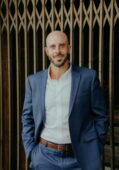
Michael T DiNuzzo
Life Coach, MBA, M.Ed.
Mike found his passion for coaching and mentoring through his 15+ years of educational and professional leadership work experience in sales, Telecommunications, and Tech. Mike is a 1st-generation college graduate and fumbled along the way to his successes. He finds joy in helping those around him succeed by actively listening, leading with empathy, and collaborating for solutions. Mike is the ultimate motivator to help clients bring goals and dreams to reality!
Mike is a PhD student at the University of San Diego, specializing in Organizational Leadership and coaching to complement his life coaching experiences and skills.
1 Years Experience
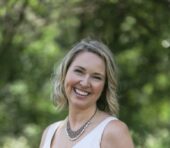
Lila Wallace
Marriage and Family Therapist, MA, LFMT
I use a compassionate, holistic, strength-based approach to support you in your personal growth. We will work together as a team to explore, understand and ultimately overcome the challenges you are facing.
12 Years Experience
Shaudi Adel - Online / Virtual Therapy
Licensed Clinical Social Worker, LCSW
FREE consultations! Are you feeling stuck in negative thoughts, intense emotions, or behavioral patterns that don't serve your best interest? Are you hoping to build more meaning and joy in your life? You may feel hesitant about reaching out for help, especially with pressure from all directions to "have it all together". I'm here to join you on this journey to discover healing and build a balanced life. My goal is to help you find compassion for yourself, develop skills to help you navigate life stressors, identify how you can become the best version of yourself, and be confident in the resilient person you are.
If you want to work towards positive change in mind and body wellness, I'm ready when you are. I am an LCSW accepting clients in both California and New York. Send me an email to schedule a free phone consultation today!
One of my favorite quotes... "You’re so hard on yourself. Take a moment. Sit back. Marvel at your life: at the grief that softened you, at the heartache that wisened you, at the suffering that strengthened you. Despite everything, You still grow. Be proud of this.” —Unknown
14 Years Experience

Carmen Marina Counseling Services
Marriage and Family Therapist, LMFTA
Hi! My name is Carmen. I'm a Marriage and Family therapist from the Seattle area. My therapy style can be described as warm, candid, and communicative. Therapy is a collaboration and I am here to be the mirror for you to feel empowered to access the answers inside of yourself. To get "unstuck", and and move forward on the path of healing for you to live your fullest life.
7 Years Experience