OCD therapists in Fort Collins, Colorado CO
Fort Collins Therapists (Statistics)
Average years in practice
17 Years Experience
Average cost per session
$203
Gender ID
| 55% |
Female |
|
| 40% |
Male |
|
| 3% |
Non-Binary |
|
| 2% |
Gender Fluid |
|
Session Type
| 55% |
In Person and Online |
|
| 45% |
Online Only |
|
Top Treatment Approaches
| 86% | Cognitive Behavioral Therapy (CBT) |
| 52% | Acceptance & Commitment Therapy (ACT) |
| 42% | Behavioral Therapy |
| 34% | Dialectical Behavior Therapy (DBT) |
| 31% | Person-Centered Therapy (Rogerian) |
| 29% | Interpersonal Therapy (IPT) |
| 28% | Solution-Focused Brief Therapy (SFBT) |
We are proud to feature top rated OCD therapists in Fort Collins. We encourage you to review each profile to find your best match.

OCD
Neurofeedback Clinic of Northern Colorado
Marriage and Family Therapist, MS, LMFT
Our OCD treatment integrates evidence-based exposure techniques with client-centered support and neurofeedback intervention. We help you understand the cycle of obsessions and compulsions while gradually building tolerance for anxiety without engaging in rituals. Neurofeedback targets the brain patterns associated with repetitive thoughts and compulsive behaviors, supporting your ability to break free from OCD's grip. Our collaborative approach respects your pace while providing structure and accountability, empowering you to reclaim your life from intrusive thoughts and compulsions.
14 Years Experience
In-Person in Fort Collins, CO 80525
Online in Fort Collins, CO Colorado

OCD
Sarah Malone
Licensed Professional Counselor, LPC
OCD is more than habits or quirks - it can make the mind feel like a constant battleground that gets stuck on thoughts and rituals that feel urgent and unavoidable. It's a serious condition that can interfere with work, relationships and self-esteem. Through specialized OCD therapy, including Exposure and Response Prevention (ERP), I will help you confront fears safely, interrupt compulsive cycles, and regain control over your thoughts and behaviors so that you can reclaim your life.
25 Years Experience
Online in Fort Collins, CO Colorado (Online Only)
OCD
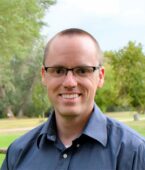
Cameron Staley
Psychologist, Ph.D.
OCD can be paralyzing and hijack your life. Skills from Acceptance and Commitment Therapy (ACT) can help you change your relationship to obsessive thoughts and channel your behaviors toward living your values more fully.
14 Years Experience
Online in Fort Collins, CO Colorado (Online Only)

OCD
Jennifer Warkentin
Marriage and Family Therapist, LMFT
Obsessive-compulsive disorder is a type of anxiety where people ruminate over distressing thoughts and then engage in repetitive behaviors or mental acts as a way of managing the obsessive thoughts. It can take many forms with varying levels of intensity. OCD is typically treated with Cognitive Behavioral Therapy combined with Exposure Response Prevention. We will explore the thoughts and compulsions you're experiencing and create a robust plan of changing your experience of anxiety.
18 Years Experience
Online in Fort Collins, CO Colorado (Online Only)

OCD
David Redbord
Registered Psychotherapist, MA, MPH, LPCC
Does this sound like your experience of OCD?
You can’t stop thinking about something. In order to feel better there’s something you HAVE to do. You can’t relax without doing whatever that is. You’re preoccupied with worry over something and whatever it is you have to do feel better.
This often leads to…
Difficulty staying present. Not enjoying your life as much due to being preoccupied with something. Feeling nervous and anxious. Feeling Frustrated with having to do a behavior over and over in order to move forward.
OCD is short for obsessive-compulsive disorder which includes two issues: Obsession and Compulsion.
Obsession is when stress and worry building the system, starting with a thought about a particular issue.
A compulsion is a behavior. And unless you do the behavior, you can’t relax and move forward.
I work with clients with OCD using mindfulness.
When you notice your mind starting to get preoccupied around an obsession with something and the stress starting to build, you can notice where you feel the sensation of that worry in your body.
By staying present with that sensation, it will move and change and the worry will move through your body.
When the urge to do a compulsive behavior arises, you can likewise notice where you feel the sensation of that urge in your body and stay present with it. As you stay present with it and do not act on the urge, the sensation will move and change and the urge will pass.
In this way, we can use mindfulness to come back to the present moment and not discontinue the cycle of obsession and compulsion.
I’d be honored to support you in using mindfulness to feel better, decrease the presence of OCD in your life, and find calm presence.
5 Years Experience
Online in Fort Collins, CO Colorado