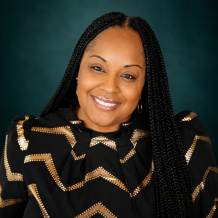
I became a therapist because I understood, early on, what it felt like to keep moving when something underneath wasn't right. That experience shaped how I see people, not as problems to fix, but as individuals who adapted to what life asked of them.
For over seven years, I've worked with people who are capable, driven, and often very good at holding things together, while quietly carrying something heavier beneath the surface. Burnout. Disconnection. A persistent sense that the life they've built doesn't quite fit who they are anymore.
That's the work I care most about. Not just helping people feel better, but helping them understand themselves, the patterns, the adaptations, the survival strategies that made sense once and may be costing them now.
I wrote The Secret Life of Silent Suffering because I wanted to name what so many people experience but rarely say out loud. That same thread runs through everything I do: therapy, training, speaking, and education for other clinicians.
I believe healing is possible. Not as a return to who you were before, but as a gradual movement toward greater clarity, freedom, and alignment with who you actually are.
Client Focus
Session Format: Family, Group, Individual sessions.
Age Specialty: Adult, Senior, Teen, Young Adult
Treatment Approach
- Acceptance & Commitment Therapy (ACT) Helps people accept difficult thoughts and feelings instead of fighting them, while committing to actions that reflect their values. It blends mindfulness with practical behavior strategies.
- Christian Counseling Blends psychological practices with Christian values and scripture. It provides faith-based support for life challenges and spiritual growth.
- Cognitive Behavioral Therapy (CBT) One of the most widely used approaches, CBT helps people identify unhelpful thoughts and replace them with healthier patterns. It is effective for anxiety, depression, and many other concerns.
- Cognitive Processing Therapy (CPT) An evidence-based treatment for PTSD that teaches clients to reframe unhelpful thoughts about trauma. It helps reduce guilt, shame, and fear.
- Dialectical Behavior Therapy (DBT) Combines CBT with mindfulness to help regulate emotions, tolerate stress, and build stronger relationships. Originally designed for borderline personality disorder, it’s now used more broadly.
- Emotionally Focused Therapy (EFT) Focuses on strengthening emotional bonds in couples or families. It helps people identify negative cycles and create more secure connections.
- Eye Movement Desensitization and Reprocessing (EMDR) A structured therapy that uses guided eye movements to help process traumatic memories. It is widely recognized for treating PTSD and trauma-related conditions.
- Internal Family Systems (IFS) Helps clients heal by working with different ‘parts’ of themselves, like inner critics or wounded children. It fosters harmony within the self.
- Motivational Interviewing (MI) A collaborative, client-centered approach that strengthens motivation for change. It is especially effective for addictions and health behaviors.
- Multicultural Therapy Acknowledges the role of culture, race, and identity in mental health. It values diversity and adapts treatment to each person’s background.
- Narrative Therapy Encourages people to view problems as separate from themselves and reframe their life story. It helps build resilience and self-identity.
- Person-Centered Therapy (Rogerian) Emphasizes empathy, unconditional positive regard, and authenticity. It provides a safe space for self-discovery and growth.
- Solution-Focused Brief Therapy (SFBT) Focuses on solutions and future goals rather than past problems. It is practical, short-term, and goal-driven.
Approach Description: Here's the Approach Description:
My approach is depth-oriented and trauma-informed, which means we're not just working on what's happening — we're working on why it keeps happening.
Most people who come to me aren't struggling because something is wrong with them. They're struggling because the patterns they developed to survive, perform, or stay connected are running on autopilot, long after the circumstances that created them have changed.
Our work together moves through a natural process:
First, we bring patterns into awareness: the recurring emotional experiences, relational dynamics, and adaptive responses that show up across different areas of your life. Then we begin to understand where those patterns came from and what purpose they've served. From there, we work to interrupt the automatic and build something more intentional in its place.
I draw from a range of trauma-informed, relational, and systems-oriented frameworks. I pay attention to nervous system responses, relational history, identity, meaning-making, and the environments and systems that continue to shape how you function.
This is not a quick-fix model. It's paced, collaborative, and reflective, designed for people who are ready for real depth, not just relief.
The goal is alignment: living and relating from your values and identity rather than from survival.
Fees & Insurance
Insurance
- Accepts Insurance
Education & Credentials
Renew Restoration LPC-S
- Female
- License # 94818
- Licensed in Texas
- Practicing Since 2019
Renew Restoration Practice Details
Therapy Sessions
- Available Online for residents of Oklahoma, Texas
- Online Therapy Details: Online therapy makes this work accessible whether you're in Texas or Oklahoma. I accept most major insurance plans, including Aetna, BCBS, Cigna, UnitedHealthcare, and more.
Renew Restoration is a trauma-informed counseling practice serving adults in Texas and Oklahoma through secure, online therapy.
Our work is organized around a simple but foundational idea: the patterns people carry, how they cope, relate, perform, and protect themselves were shaped by real experiences and real environments. Many of those patterns once served a purpose. Over time, they can contribute to distress, burnout, relational difficulty, or a quiet sense of misalignment.
Rather than focusing solely on symptoms, we work to understand the structures beneath them. This is depth-oriented, reflective work, collaborative and paced, designed for people who are ready to move beyond managing and toward something more intentional.
We accept most major insurance plans including Aetna, BCBS, Cigna, UnitedHealthcare, Oscar, and more.