Female therapists in Johannesburg, South Africa
Browse Female therapists in Johannesburg, South Africa. Compare credentials, specialties and therapeutic approach. Contact a therapist to learn more.
View nearby cities

Female
Dr Jody Eiser
Therapist, Doctorate in Psychology
I believe that the ways we cope, relate, and navigate the world are shaped by what we have had to endure. Much of my work focuses on understanding these adaptations—not as flaws, but as intelligent responses to past experiences. In therapy, I offer a space that is steady, thoughtful, and non-judgemental, where we can explore both what is happening now and the deeper patterns beneath it. My aim is to support you in developing insight, emotional safety, and a way of moving forward that feels more aligned, sustainable, and true to who you are.
0 Years Experience
In-Person Near Johannesburg, GP
Online in Johannesburg, Gauteng

Female
Mrs Dina Chamberlain
Counselor/Therapist
As living human beings, we encounter times in our lives when we need someone to help us think, reflect and look at our lives.
I am passionate about helping people live life to the fullest of their abilities. I offer Counselling in English and Afrikaans and Tele-therapy on the go while you travel through online counselling.
33 Years Experience
Online in Johannesburg, Gauteng (Online Only)
Female
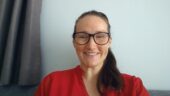
Monique Hill
Therapist, MA Drama therapy, Certified Cyber Therapist
My practice incorporates creativity and somatic work to create space for change and growth.
9 Years Experience
Online in Johannesburg, Gauteng (Online Only)
Female
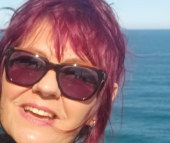
Leonie M Dippenaar
Life Coach, BWRT® Master Coach | Certified Hypnotherapist (CHT) | Ethno Psychology Practitioner (EPP)
You know you’re capable of more but something keeps holding you back. I help women 35–55 break subconscious patterns, limiting beliefs, anxiety and habits that keep them stuck, so they can reconnect, regain confidence and create lasting change. Ready to discover what’s really keeping you stuck?
18 Years Experience
Online in Johannesburg, Gauteng (Online Only)
Female therapists in Johannesburg, South Africa Statistics
Female therapists in Johannesburg, South Africa average 15 years of experience. 100% offer online sessions. The most commonly treated issues are Anxiety or Fears (75%), Depression (75%), and Life Coaching (75%).
Average years in practice
15 Years Experience
Offer sliding scale
25%
Gender ID
| 100% |
Female |
|
Session Type
| 75% |
Online Only |
|
| 25% |
In Person and Online |
|
Top Specialties
| 75% | Anxiety or Fears |
| 75% | Depression |
| 75% | Life Coaching |
| 75% | Loss or Grief |
| 75% | Trauma and PTSD |
| 50% | Chronic Pain or Illness |
| 50% | Emotional Abuse |
Ages Served
| 100% | Adult |
| 50% | Teen |
| 50% | Young Adult |
| 25% | Children |
| 25% | Senior |
Client Focus
| 50% | Women |
| 25% | Christian |
| 25% | Persons with Disabilities |