Infertility therapists in Olathe, KS
Browse Infertility therapists in Olathe, Kansas. Compare credentials, specialties and therapeutic approach. Contact a therapist to learn more.

Infertility
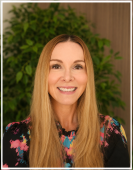
Elizabeth Nogel
Licensed Professional Counselor, LPC
Dealing with infertility can bring a deep mix of emotions—grief, frustration, hope, and uncertainty. I aim to provide a compassionate space for you to share your individual story, process the emotional ups and downs, and find inner strength.
1 Years Experience
In-Person Near Olathe, KS
Online in Olathe, KS
Infertility
Dr. Rosy Saenz-Sierzega
Psychologist, PhD, MA, NBCC
Infertility can involve a unique combination of grief, disappointment, uncertainty, and loss of control. I help individuals and couples navigate the emotional impact of infertility and reproductive treatment, cope with difficult decisions and setbacks, communicate with each other, and maintain their relationship through an extremely stressful experience.
19 Years Experience
Online in Olathe, KS

Infertility
Dr. Vanessa Vitiello
Psychologist, Licensed Clinical Psychologist
I provide support for individuals navigating infertility, including the emotional toll, uncertainty, and grief that can come with this experience. Therapy offers a space to process, cope, and feel less alone during a deeply personal journey.
11 Years Experience
Online in Olathe, KS (Online Only)

Infertility
Arroyo Psychological Services
Psychologist, Psy.D., LAC
We offer emotional support for individuals and families navigating the complexities of infertility and adoption. Therapy provides space to process grief, hope, and identity as families grow in unique and meaningful ways.
9 Years Experience
Online in Olathe, KS
Infertility
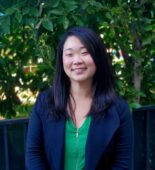
Dr. Jadah Petty
Psychologist, Ph.D., Licensed Clinical Psychologist
For many adoptees, they have not had the opportunity to explore their adoptive identity and understand how their adoption has shaped the ways they see themselves and others. Understanding the myths around adoption and exploring it means to be adopted is something I can offer in therapy.
7 Years Experience
Online in Olathe, KS (Online Only)
Infertility therapists in Olathe, KS Statistics
Infertility therapists in Olathe, KS average 18 years of experience and charge around $200 per session. 100% offer online sessions. The top treatment approaches are Cognitive Behavioral Therapy (CBT) (71%), Psychodynamic Therapy (51%), and Acceptance & Commitment Therapy (ACT) (37%).
Average years in practice
18 Years Experience
Average cost per session
$200
Accept insurance
43%
Offer sliding scale
37%
Gender ID
| 84% |
Female |
|
| 16% |
Male |
|
Session Type
| 57% |
In Person and Online |
|
| 43% |
Online Only |
|
Top Treatment Approaches
| 71% | Cognitive Behavioral Therapy (CBT) |
| 51% | Psychodynamic Therapy |
| 37% | Acceptance & Commitment Therapy (ACT) |
| 37% | Person-Centered Therapy (Rogerian) |
| 29% | Family Systems Therapy |
| 29% | Multicultural Therapy |
| 27% | Existential / Humanistic Therapy |
Ages Served
| 100% | Adult |
| 63% | Young Adult |
| 57% | Senior |
| 51% | Teen |
| 27% | Children |
Client Focus
| 71% | Women |
| 39% | LGBTQ+ |
| 39% | Men |
| 27% | Jewish |
| 25% | Christian |