Postpartum Depression therapists in Chesterfield, VA
Browse Postpartum Depression therapists in Chesterfield, Virginia. Compare credentials, specialties and therapeutic approach. Contact a therapist to learn more.
Postpartum
Resilience Counseling & Social Skills Center
Counselor/Therapist, LPC,LCSW,LCP
Resilience Counseling & Social Skills Center has a team of over 40 clinicians offering a wide range of treatment styles, specialties and approaches. Our team consists of Licensed Professional Counselors, Licensed Clinical Social Workers, Licensed Clinical Psychologists as well as Clinical Residents and Interns under supervision each offering a unique skill set to meet your individualized needs. Several of our providers specialize in the treatment of Postpartum Depression. We also offer Postpartum Support Groups through out the year.
Please visit our website to view the profile each of our clinicians: https://www.resiliencecounseling.care/team-resilience
14 Years Experience
In-Person Near Chesterfield, VA
Online in Chesterfield, VA

Postpartum
Meredith Luttrell
Counselor/Therapist, LPC, LCPC, Clinical Supervisor
The perinatal period — from pregnancy through the first year postpartum — can bring profound joy and profound struggle, often at the same time. Our practice includes a certified perinatal mental health specialist who provides specialized, compassionate support for postpartum depression, anxiety, pregnancy loss, birth trauma, and the complex emotional landscape of new parenthood. You don't have to pretend you're fine — and you don't have to navigate this alone.
17 Years Experience
Online in Chesterfield, VA

Postpartum
Nikita Pion-Klockner, Holistic Therapy, LLC
Licensed Clinical Social Worker, LCSW, LICSW, LCSW-C
The perinatal period — including pregnancy, postpartum, and the early months of parenting — can bring unexpected emotional challenges such as sadness, anxiety, overwhelm, or feeling disconnected from yourself or your baby. I provide compassionate, specialized perinatal mental health support to help you feel steadier, supported, and more like yourself again as you navigate this profound life transition.
19 Years Experience
Online in Chesterfield, VA

Postpartum
Summit Counseling Services
Licensed Clinical Social Worker, LPC, LCSW, ATR-BC
PPD is often best managed with medication management. Counseling can be adjunctive to allow for emotional expression and adjustment to parenting.
24 Years Experience
Online in Chesterfield, VA
Postpartum
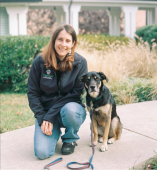
Paws2Heal Mental Health Counseling Services
Licensed Professional Counselor, PhD, LPC
The transition into parenthood can bring unexpected emotional challenges. Therapy provides compassionate support while addressing the emotional, relational, and trauma-related factors that may contribute to postpartum depression.
8 Years Experience
Online in Chesterfield, VA
Postpartum Depression therapists in Chesterfield, VA Statistics
Postpartum Depression therapists in Chesterfield, VA average 15 years of experience and charge around $202 per session. 100% offer online sessions. The top treatment approaches are Cognitive Behavioral Therapy (CBT) (77%), Person-Centered Therapy (Rogerian) (43%), and Psychodynamic Therapy (42%).
Average years in practice
15 Years Experience
Average cost per session
$202
Accept insurance
58%
Offer sliding scale
40%
Gender ID
| 77% |
Female |
|
| 18% |
Male |
|
| 3% |
Non-Binary |
|
| 2% |
Gender Fluid |
|
Session Type
| 71% |
In Person and Online |
|
| 29% |
Online Only |
|
Top Treatment Approaches
| 77% | Cognitive Behavioral Therapy (CBT) |
| 43% | Person-Centered Therapy (Rogerian) |
| 42% | Psychodynamic Therapy |
| 40% | Acceptance & Commitment Therapy (ACT) |
| 36% | Emotionally Focused Therapy (EFT) |
| 31% | Dialectical Behavior Therapy (DBT) |
| 31% | Interpersonal Therapy (IPT) |
Ages Served
| 100% | Adult |
| 77% | Young Adult |
| 51% | Senior |
| 51% | Teen |
| 31% | Children |
Client Focus
| 68% | Women |
| 39% | LGBTQ+ |
| 35% | Men |
| 32% | Military / Veterans |
| 30% | Black / African American |