Bipolar Disorder therapists in Orchards, WA
Browse Bipolar Disorder therapists in Orchards, Washington. Compare credentials, specialties and therapeutic approach. Contact a therapist to learn more.

Bipolar
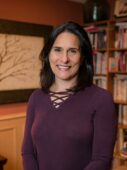
Ashika Dickerson
Psychiatric Nurse Practitioner, MSN, APRN, PMHNP-BC
Bipolar disorder requires thoughtful, individualized care to achieve lasting stability and improve quality of life. I provide a personalized, concierge-level approach that combines comprehensive evaluation, precision medication management, and ongoing support tailored to your unique needs and goals. My focus is on helping you achieve mood stability, reduce the impact of symptoms, strengthen daily functioning, and build the confidence to navigate life's challenges with greater resilience and balance.
1 Years Experience
Online in Orchards, WA (Online Only)
Bipolar
Annie Kurz
Counselor/Therapist, M.A., M.B.A., LMHC
People with Bipolar disorder may often feel overwhelmed. With numerous clients with this challenge, Ms. Kurz gives her clients processes that help with monitoring swings in mood, mindfulness tools, and practical support.
20 Years Experience
Online in Orchards, WA

Bipolar
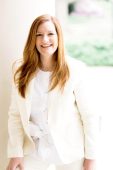
RelaxingOne.com Ned David Bratspis, PC
Marriage and Family Therapist, MA, LMFT
Using well accepted practices of management of symptoms and lifestyle organization to establish daily stability
35 Years Experience
Online in Orchards, WA (Online Only)
Bipolar
Bobby Newell
Licensed Clinical Social Worker, LCSW, SEP
I specialize in working with individuals navigating bipolar disorder, helping them better understand mood patterns, manage emotional highs and lows, and build greater stability over time. Together, we focus on recognizing early warning signs, strengthening routines, and developing practical strategies to support regulation, decision-making, and relationships. I take a collaborative, nonjudgmental approach that integrates skill-building with awareness of how the nervous system and environment impact mood. My goal is to help you feel more steady, more in control, and better equipped to navigate the ups and downs with confidence.
27 Years Experience
Online in Orchards, WA

Bipolar
Matthew Syzdek
Psychologist, PhD, LP, MBA
If you feel on edge, anxious, irritable, or just can't relax, there is a path forward towards a more fulfilling life. Don't gamble when choosing a therapist. You deserve a psychologist who will adapt the best science to your specific needs and goals. Many therapists themselves are burned out and can't give the best care to their clients. Dr Syzdek built a small boutique practice where he limits the number of clients he treats, so he can give his clients the time, thought, and dedication that they deserve. Dr Syzdek combines compassion with the science of behavior change to help you make the the difficult decisions in life and take action, so you can live a happier life, thrive at work, love your relationships, and have fun again. Dr Syzdek treats anxiety and related conditions typically using Acceptance and Commitment Therapy and exposure therapies. These approaches combine mindfulness, acceptance, and cognitive strategies to help you live your life again and find relief from the the struggle.
14 Years Experience
Online in Orchards, WA
Bipolar Disorder therapists in Orchards, WA Statistics
Bipolar Disorder therapists in Orchards, WA average 17 years of experience and charge around $207 per session. 100% offer online sessions. The top treatment approaches are Cognitive Behavioral Therapy (CBT) (80%), Behavioral Therapy (38%), and Emotionally Focused Therapy (EFT) (38%).
Average years in practice
17 Years Experience
Average cost per session
$207
Accept insurance
63%
Offer sliding scale
42%
Gender ID
| 53% |
Female |
|
| 39% |
Male |
|
| 5% |
Non-Binary |
|
| 3% |
Gender Fluid |
|
Session Type
| 62% |
In Person and Online |
|
| 38% |
Online Only |
|
Top Treatment Approaches
| 80% | Cognitive Behavioral Therapy (CBT) |
| 38% | Behavioral Therapy |
| 38% | Emotionally Focused Therapy (EFT) |
| 37% | Acceptance & Commitment Therapy (ACT) |
| 35% | Psychodynamic Therapy |
| 34% | Person-Centered Therapy (Rogerian) |
| 32% | Dialectical Behavior Therapy (DBT) |
Ages Served
| 98% | Adult |
| 75% | Young Adult |
| 60% | Senior |
| 54% | Teen |
| 25% | Children |
Client Focus
| 58% | Women |
| 54% | Men |
| 46% | LGBTQ+ |
| 37% | Black / African American |
| 31% | Christian |