
Genuine remorse can be hard to differ from fear of being caught. After infidelity, most of the victims ask this question:
“How do I know if they are truly sorry?”
It is an important question because apologies can sound convincing in the moment.
Someone may cry, promise it will never happen again, say they made a terrible mistake, or insist that they cannot imagine losing the relationship.
But remorse is not measured by how emotional someone appears immediately after being caught.
It is measured by what they do consistently after the truth is known.
After more than 20 years of working with couples, I have learned that genuine remorse looks very different from panic, shame, regret, or fear of consequences.
Someone can regret getting caught without fully understanding the harm they caused.
They can feel ashamed of their behavior without being ready to take responsibility for it.
They can want the relationship to continue without being willing to do the difficult work required to rebuild trust.
Genuine remorse is not just about feeling bad.
It is about becoming accountable, emotionally available, and willing to repair what was damaged.
Here are five signs I look for when helping couples determine whether remorse is real.

5 Signs of Genuine Remorse After Infidelity
1. They Take Full Responsibility Without Blaming You
One of the clearest signs of genuine remorse is the ability to say:
“I made this choice, and it was wrong.”
A remorseful partner does not blame the affair on:
-
Problems in the marriage
-
Lack of intimacy
-
Feeling neglected
-
Alcohol
-
Stress
-
The other person
-
Your behavior
-
A difficult period in the relationship
Relationship problems may help explain the context in which infidelity occurred.
They do not excuse the choice.
There is an important difference between saying:
“We were disconnected, and I made a destructive choice.”
and saying:
“I cheated because you were not giving me what I needed.”
The first statement takes responsibility.
The second transfers the burden back onto the betrayed partner.
When someone is genuinely remorseful, they understand that relationship dissatisfaction should have led to a conversation, boundary, separation, or request for help—not betrayal.
They do not require you to accept part of the blame for their infidelity before they are willing to apologize.
2. They Can Tolerate Your Pain Without Rushing You to Move On
Genuine remorse requires emotional endurance.
The unfaithful partner must be willing to hear the impact of the betrayal more than once.
They may need to answer repeated questions.
They may have to sit with anger, sadness, confusion, and grief without becoming defensive.
A partner who is primarily focused on escaping discomfort may say:
-
“How long are you going to punish me?”
-
“I already apologized.”
-
“We cannot keep talking about this.”
-
“You said you wanted to move forward.”
-
“Nothing I do is ever enough.”
These statements often reveal that the person is more concerned with ending the consequences than understanding the injury.
A remorseful partner recognizes that betrayal affects the nervous system, emotional safety, self-esteem, and the betrayed partner’s sense of reality.
They understand that recovery is not linear.
Some days may feel hopeful.
Other days may bring back anger, fear, or intrusive thoughts.
Genuine remorse sounds more like:
“I understand why this still hurts.”
“You do not have to protect me from the consequences of what I did.”
“I am here, even when this conversation is difficult.”
They do not dictate the timeline of your healing.
3. Their Story Becomes More Honest, Not Less
Infidelity is rarely limited to the affair itself.
There is often secrecy, omission, deleted messages, half-truths, minimizing, and repeated denial.
That is why rebuilding trust requires more than admitting only what has already been discovered.
A genuinely remorseful partner becomes more truthful over time.
They do not wait for additional evidence before revealing important information.
They do not offer a partial confession and then disclose more only when confronted.
They do not say:
-
“That is all you need to know.”
-
“The details do not matter.”
-
“I was trying to protect you.”
-
“I forgot.”
-
“It only happened once,” when it did not
Each new discovery can feel like another betrayal.
In my work with couples, I often explain that trust cannot begin to rebuild while the truth is still changing.
Genuine remorse includes a willingness to provide an honest account, answer reasonable questions, and correct previous lies.
This does not mean graphic details are always helpful.
It means the betrayed partner should not have to become an investigator to understand what happened.
4. They Make Concrete Changes Without Needing to Be Managed
An apology is not a repair plan.
Genuine remorse becomes visible through behavior.
Depending on the circumstances, meaningful changes may include:
-
Ending all contact with the affair partner
-
Establishing clear boundaries
-
Becoming transparent about communication and whereabouts
-
Beginning individual therapy
-
Participating consistently in couples therapy
-
Examining the beliefs and choices that made betrayal possible
-
Addressing substance use, compulsive behavior, or validation-seeking
-
Changing environments that supported secrecy
-
Offering reassurance without being asked repeatedly
The key is that the betrayed partner should not have to supervise every step.
If you have to constantly remind someone to schedule therapy, disclose contact, answer questions, or follow agreed-upon boundaries, they may be responding to pressure rather than taking ownership.
Genuine remorse creates initiative.
The unfaithful partner asks:
“What do I need to change so that I never become this version of myself again?”
That question matters more than:
“What do I need to do so you stop being upset?”
5. They Focus on Your Injury, Not Just Their Shame
Shame and remorse are not the same.
Shame says:
“I am a terrible person.”
Remorse says:
“I hurt you, and I need to understand what that did to you.”
A deeply ashamed partner may collapse emotionally, withdraw, become self-punishing, or demand reassurance that they are not a bad person.
This can unintentionally place the betrayed partner in the position of comforting the person who caused the injury.
You may find yourself saying:
-
“You are not a monster.”
-
“I know you feel terrible.”
-
“Please stop saying you hate yourself.”
-
“I do not want you to fall apart.”
Their shame becomes the center of the relationship.
Genuine remorse is different.
A remorseful partner can hold their own discomfort without making you responsible for relieving it.
They are able to stay focused on:
-
The impact of their choices
-
The loss of emotional safety
-
The damage to trust
-
The questions you now carry
-
The changes needed for repair
They may feel shame, but they do not use it to avoid accountability.
Their primary concern is not restoring their self-image.
It is repairing the injury they caused.
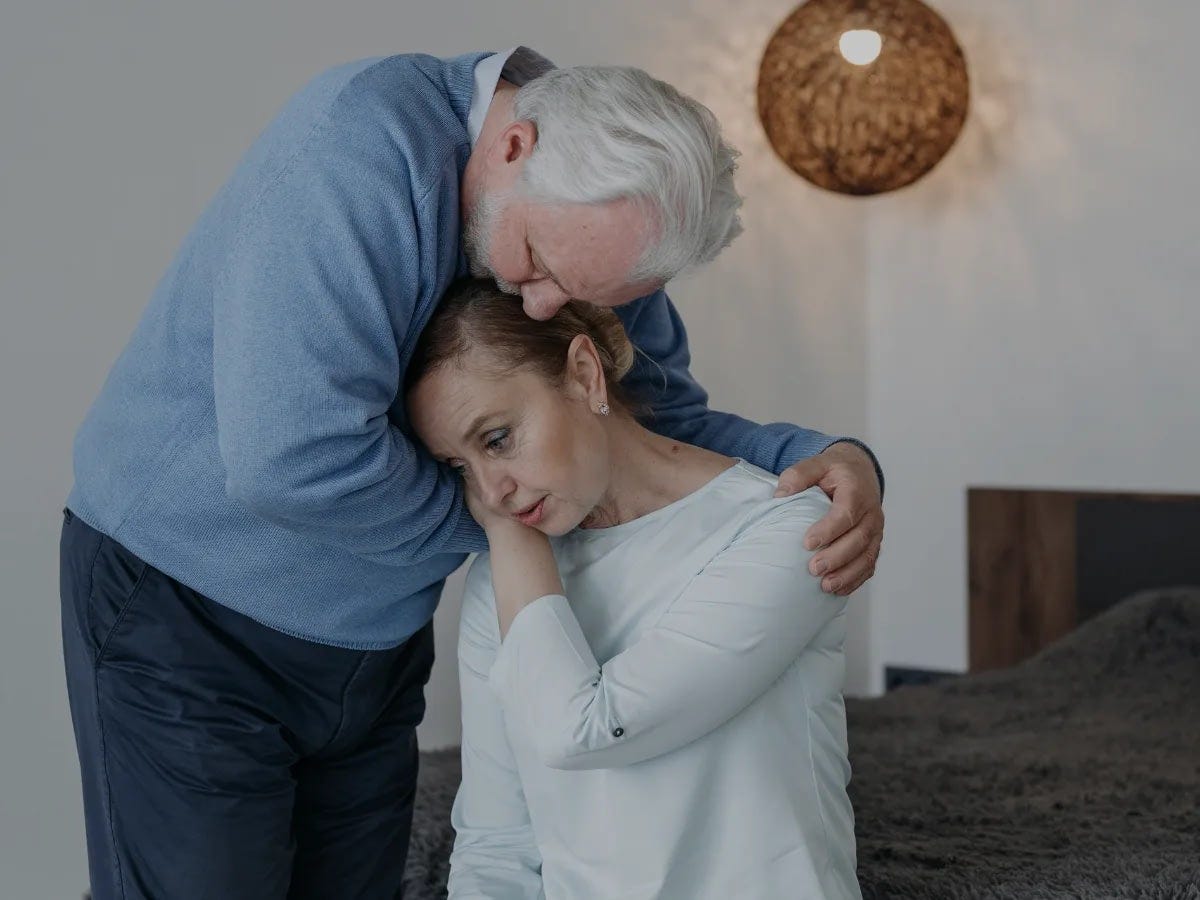
Remorse Is a Pattern, Not a Performance
Anyone can say the right thing during a crisis.
The real question is what happens weeks and months later.
Does the accountability continue after the immediate fear of losing the relationship has passed?
Do they remain patient when you are triggered?
Do they keep the boundaries they agreed to?
Do they continue therapy?
Do they become more transparent?
Do they show curiosity about your pain rather than irritation with it?
Genuine remorse is rarely proven in a single conversation.
It is demonstrated through consistent behavior over time.
What Genuine Remorse Does Not Guarantee
Remorse matters, but it does not automatically mean the relationship can or should continue.
A betrayed partner is not obligated to reconcile simply because the unfaithful partner is sorry.
Real remorse may create the conditions necessary for repair.
It does not erase the betrayal.
It does not restore trust immediately.
It does not require forgiveness on demand.
Some relationships recover and become stronger.
Others end, even when remorse is genuine.
The purpose of evaluating remorse is not to pressure yourself into staying.
It is to help you understand whether the person who hurt you is capable of participating in an honest repair process.
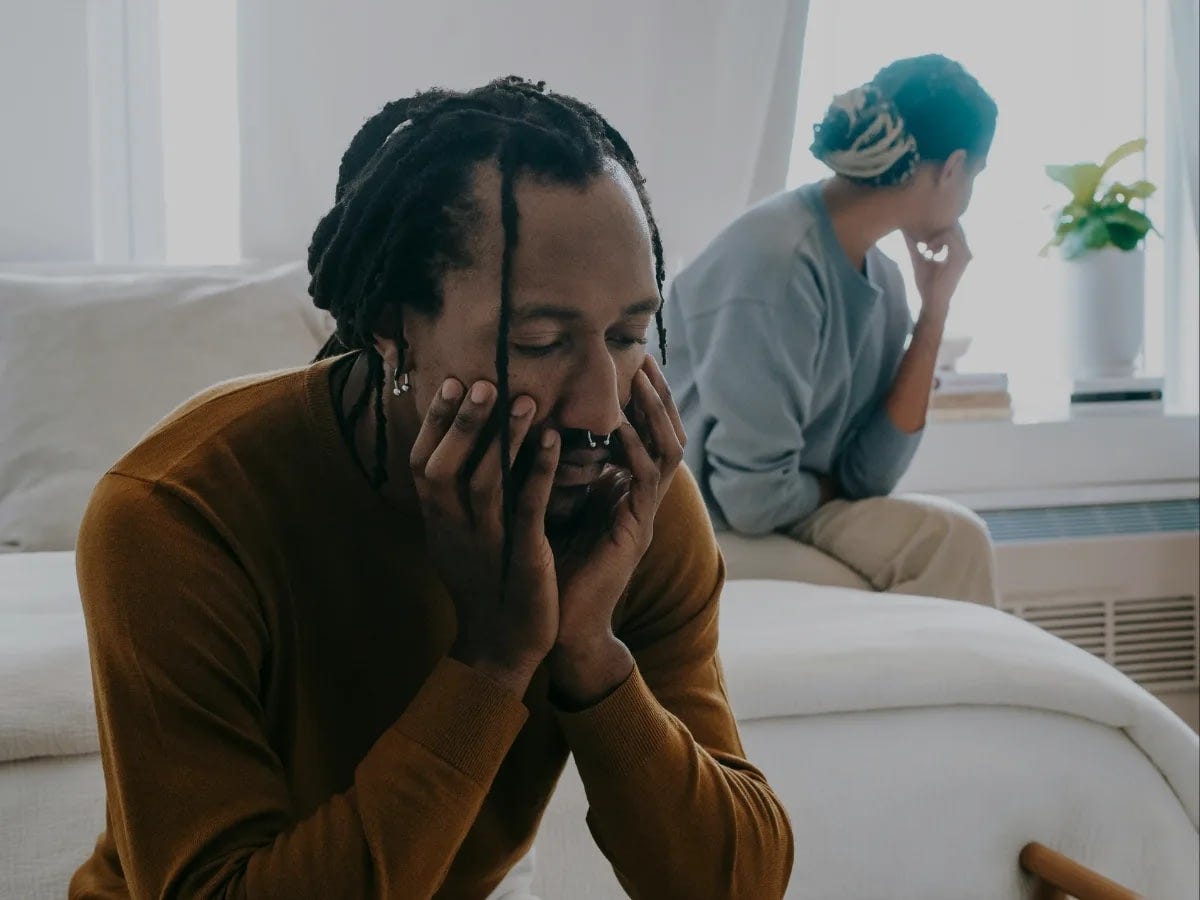
Can a Relationship Heal After Infidelity?
Yes, some relationships can heal after infidelity.
But healing requires more than love and good intentions.
It requires:
-
Full accountability
-
Honesty
-
Emotional safety
-
Patience
-
Consistent behavioral change
-
Willingness to tolerate difficult conversations
-
Professional support when needed
The betrayed partner also needs space to determine what they want without being rushed toward forgiveness or reconciliation.
In couples therapy, I help both partners understand that healing is not about returning to the relationship exactly as it was before.
The old relationship contained the conditions in which secrecy and betrayal became possible.
The goal is to build something more honest, emotionally responsible, and secure.
Final Thoughts
The strongest sign of remorse is not how devastated someone appears when the affair is discovered.
It is how willing they are to face what they did after the crisis has passed.
Genuine remorse takes responsibility.
It makes room for your pain.
It tells the truth.
It creates real change.
And it remains consistent even when forgiveness is not guaranteed.
You do not have to decide immediately whether to stay or leave.
But you do deserve enough honesty, patience, and accountability to make that decision from a place of clarity.
Frequently Asked Questions
1. How can I tell if my partner feels genuine remorse after cheating?
Genuine remorse usually includes full responsibility, patience with your pain, honest disclosure, concrete behavioral changes, and consistent accountability over time. It is shown through actions, not only apologies.
2. What is the difference between remorse and regret after infidelity?
Regret often focuses on the consequences, such as being caught, losing the relationship, or damaging one’s reputation. Remorse focuses on the pain caused and includes a willingness to repair the harm.
3. Can someone feel remorse and still become defensive?
Yes. People may occasionally become overwhelmed or defensive. The larger pattern matters. A genuinely remorseful partner recognizes the defensiveness, takes responsibility for it, and returns to the conversation rather than repeatedly shutting it down.
4. How long does it take to rebuild trust after infidelity?
There is no universal timeline. Rebuilding trust often takes months or longer and depends on the nature of the betrayal, the honesty of the unfaithful partner, the consistency of behavioral changes, and both partners’ willingness to participate in the healing process.
5. Does genuine remorse mean I should forgive or stay?
No. Genuine remorse may make repair possible, but it does not obligate you to forgive, reconcile, or remain in the relationship. You are allowed to decide what is healthiest for you.
Rebuilding Trust Requires More Than an Apology
After infidelity, it can be difficult to tell the difference between real remorse, fear of losing the relationship, and promises made during a crisis.
You may be questioning what to believe, whether trust can be rebuilt, or whether staying is the right decision.
As a Marriage and Family Therapist with more than 20 years of experience working with couples, I help partners move beyond promises and examine the patterns, accountability, and emotional safety necessary for genuine repair.
Therapy can help you:
-
Understand the full impact of the betrayal
-
Identify whether accountability is consistent
-
Navigate difficult conversations safely
-
Establish boundaries and expectations
-
Determine whether rebuilding trust is possible
-
Make decisions without pressure or confusion
You do not have to rush toward forgiveness, reconciliation, or separation.
You deserve the space to understand what happened and decide what healing looks like for you.
Take the First Step
📞 Call: (818) 851-1293
📧 Email: marina@marinaedelman.com
Originally published at MarinaEdelman.com