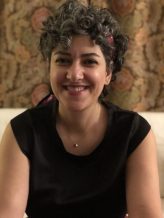
Maryam Zafari (She/Her)
Counselor/Therapist, MCoun, ACA & PACFA Registered, Certified Addiction, Certified Clinical Trauma Professionals
Online in Australia
(Online Only)
I am an experienced addiction counsellor specializing in evidence-based therapeutic interventions and integrative treatment approaches to support sustainable recovery and lasting behavioral change. Through my work in mental health and addiction services, I have witnessed the profound impact of trauma and the remarkable resilience that emerges when individuals receive compassionate, structured support. I work with clients navigating substance use disorders, behavioral addictions, co-occurring mental health conditions, and all stages of recovery.
Client Focus
Session Format: Family, Group, Individual sessions.
Age Specialty: Adult, Senior, Young Adult
Demographic Expertise: LGBTQ+, Middle Eastern, Military / Veterans, Native American, Pacific Islander, Persons with Disabilities clients.
Languages: English, Farsi
Treatment Approach
- Acceptance & Commitment Therapy (ACT) Helps people accept difficult thoughts and feelings instead of fighting them, while committing to actions that reflect their values. It blends mindfulness with practical behavior strategies.
- Cognitive Behavioral Therapy (CBT) One of the most widely used approaches, CBT helps people identify unhelpful thoughts and replace them with healthier patterns. It is effective for anxiety, depression, and many other concerns.
- Dialectical Behavior Therapy (DBT) Combines CBT with mindfulness to help regulate emotions, tolerate stress, and build stronger relationships. Originally designed for borderline personality disorder, it’s now used more broadly.
- Internal Family Systems (IFS) Helps clients heal by working with different ‘parts’ of themselves, like inner critics or wounded children. It fosters harmony within the self.
- Mindfulness-Based Cognitive Therapy (MBCT) Combines mindfulness practices with CBT to prevent depression relapse. It helps people notice thoughts without judgment and respond more calmly.
- Narrative Therapy Encourages people to view problems as separate from themselves and reframe their life story. It helps build resilience and self-identity.
- Solution-Focused Brief Therapy (SFBT) Focuses on solutions and future goals rather than past problems. It is practical, short-term, and goal-driven.
Approach Description: Over the years, I have trained in Polyvagal Theory, Internal Family Systems (IFS), Acceptance and Commitment Therapy (ACT), Dialectical Behavioral Therapy (DBT), Cognitive Behavioral Therapy (CBT), and trauma-informed care. These frameworks have shaped my approach, allowing me to support clients in understanding how early experiences shape core beliefs, emotional responses, and nervous system patterns. I have seen how trauma lives in the body, influencing everything from self-perception to relationships, and how healing becomes possible when we learn to listen to our inner experiences with compassion and curiosity.
Fees & Insurance
Fees
- Average Session Fee 180
- Affordable sliding scale therapy: apply if you may be eligible.
- A limited number of sliding scale spots are available for those with financial need.
- Out of Network
Education & Credentials
Maryam Zafari MCoun, ACA & PACFA Registered, Certified Addiction, Certified Clinical Trauma Professionals
- Female
- License # ACA- Lv2 #2304 / PACFA Registered practicing # 32934
- Licensed in NSW
- Practicing Since 2014
Education: MA Counselling
BA Criminology
BA Law
Certified Addiction Professional
Certified Clinical Trauma Professional (CCTP)
Certified Addictions-Informed Professional (CAIMHP)
Maryam Zafari Practice Details
Therapy Sessions
- Available Online for residents of Australia
- Online Therapy Details: I provide secure online therapy sessions via my professional Google Meet business account. Sessions are conducted using encrypted video conferencing, ensuring your privacy and confidentiality.
My journey into the world of counseling began with a deep curiosity about how the mind and body navigate suffering. Through my work in mental health and addictions, I have witnessed both the depths of human despair and the profound resilience that emerges when people are given the space to heal.
Early in my career, I found myself drawn to the complexities of addiction, trauma, and mental health, working alongside individuals whose lives had been shaped by adversity. Many of my clients had lived through childhood neglect, domestic violence, substance dependency, or profound grief, often carrying these wounds silently for years. The work was slow, change happening in small but significant windows, but even in the most difficult moments, I saw the potential for transformation.