Perfectionism therapists in Corcoran, CA
Browse Perfectionism therapists in Corcoran, California. Compare credentials, specialties and therapeutic approach. Contact a therapist to learn more.
View nearby cities
Perfectionism
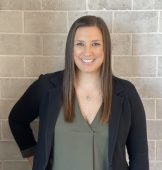
Melanie Simms
Marriage and Family Therapist, LMFT
I believe that self-compassion is the antidote for perfectionism. I work with clients to heal from early traumatic experiences that may have led to the development of perfectionism as a coping mechanism. I help clients develop their overall feeling of self-worth and treat themselves with greater compassion to reduce perfectionistic tendencies.
11 Years Experience
Online in Corcoran, CA

Perfectionism
Center for Cognitive Behavioral Therapy and Mindfulness
Psychologist, PhD, JD
Not all therapists provide evidence-based therapies, and not all therapists who claim to provide CBT are specially trained in this approach. The Center for Cognitive Behavioral Therapy and Mindfulness team consists of doctoral-level clinicians who are highly trained experts in cognitive behavioral therapies.
We are also trained in tailoring your treatment to your individual needs, so you can be sure you are receiving highly individualized care while also benefiting from the techniques that are proven to work.
5 Years Experience
Online in Corcoran, CA (Online Only)

Perfectionism
Shohreh ("Sho-ray") Schmuecker
Marriage and Family Therapist, MA, LMFT
The parts of you that strive for perfection may have learned that having this drive can come with real advantages. The parts of you that try to be perfect may encourage you to do your very best and support you in striving for excellence. However, the relentless push for perfectionism can give you very little space for the mistakes and limitations that come with being human. Over time, the self-criticism and internal pressure tied to inflexible expectations can feel exhausting.
In our sessions together, we can work together to understand the parts of you that are working so very hard. We can explore how they came to be, how they have been helpful and if they are still serving you in the same ways they once were. Supporting you to understand what you would like moving forward and helping you find a more balance way.
12 Years Experience
Online in Corcoran, CA

Perfectionism
G. Roman Gupta, LCSW
Therapist, LCSW
I have been practicing for almost 20 years and I have a strength-based, trauma-informed, culturally aware, LGBTQ+ affirmative, sex positive, kink positive, poly affirming, feminist perspective. I have trained and practiced in a variety of treatment methods that offer us a variety of ways to meet your goals whether as an individual, couple, or family.
18 Years Experience
Online in Corcoran, CA
Perfectionism
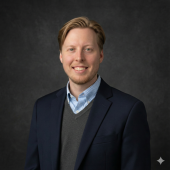
David Sudyka
Marriage and Family Therapist, Marriage & Family Therapist, LMFT, MA
Perfectionism can create constant pressure to get everything right, often leading to stress, procrastination, or feeling like nothing is ever good enough. It can be hard to relax or feel satisfied with what you accomplish. In therapy we will work on understanding where these patterns come from and how to shift them into something more balanced. The goal is to help you feel more flexible, more self accepting, and less weighed down by expectations.
4 Years Experience
Online in Corcoran, CA (Online Only)
Perfectionism therapists in Corcoran, CA Statistics
Perfectionism therapists in Corcoran, CA average 13 years of experience and charge around $227 per session. 100% offer online sessions. The top treatment approaches are Cognitive Behavioral Therapy (CBT) (70%), Eye Movement Desensitization and Reprocessing (EMDR) (46%), and Somatic Therapy (42%).
Average years in practice
13 Years Experience
Average cost per session
$227
Accept insurance
38%
Offer sliding scale
38%
Gender ID
| 71% |
Female |
|
| 21% |
Male |
|
| 4% |
Gender Fluid |
|
| 4% |
Non-Binary |
|
Session Type
| 56% |
In Person and Online |
|
| 44% |
Online Only |
|
Top Treatment Approaches
| 70% | Cognitive Behavioral Therapy (CBT) |
| 46% | Eye Movement Desensitization and Reprocessing (EMDR) |
| 42% | Somatic Therapy |
| 38% | Psychodynamic Therapy |
| 36% | Emotionally Focused Therapy (EFT) |
| 32% | Acceptance & Commitment Therapy (ACT) |
| 32% | Dialectical Behavior Therapy (DBT) |
Ages Served
| 100% | Adult |
| 68% | Young Adult |
| 62% | Senior |
| 38% | Teen |
| 24% | Children |
Client Focus
| 70% | Women |
| 52% | LGBTQ+ |
| 36% | Asian |
| 34% | Hispanic / Latino |
| 34% | Men |