Perfectionism therapists in Fontana, CA
Browse Perfectionism therapists in Fontana, California. Compare credentials, specialties and therapeutic approach. Contact a therapist to learn more.
Perfectionism
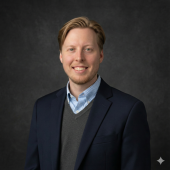
David Sudyka
Marriage and Family Therapist, Marriage & Family Therapist, LMFT, MA
Perfectionism can create constant pressure to get everything right, often leading to stress, procrastination, or feeling like nothing is ever good enough. It can be hard to relax or feel satisfied with what you accomplish. In therapy we will work on understanding where these patterns come from and how to shift them into something more balanced. The goal is to help you feel more flexible, more self accepting, and less weighed down by expectations.
4 Years Experience
Online in Fontana, CA (Online Only)
Perfectionism
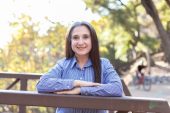
True You Ministries | Stacy Echeverria Co-Founder
Pastoral Counselor/Therapist, Licensed Pastoral Counselor
Perfectionism can leave you feeling as though nothing you do is ever quite good enough. I help women uncover the deeper fears, beliefs, and emotional wounds that may be driving the need to perform, please others, or avoid making mistakes. Together, we work toward breaking unhealthy patterns, embracing grace, and finding greater freedom and confidence in your God-given identity rather than your performance.
6 Years Experience
Online in Fontana, CA (Online Only)

Perfectionism
New Beginnings Christian Counseling
Marriage and Family Therapist, MA, LMFT
Perfectionism can feel like a constant pressure to perform, achieve, or appear “good enough,” often leaving you exhausted, anxious, or self-critical. It’s usually rooted in early experiences, fear of failure, or unmet expectations. In therapy, we explore the beliefs driving perfectionistic patterns, develop healthier self-compassion, and create practical strategies for balance and emotional freedom. With Christ-centered guidance, you’ll learn to embrace progress over perfection, honor your worth, and live with greater peace and authenticity.
15 Years Experience
In-Person Near Fontana, CA
Online in Fontana, CA
Perfectionism
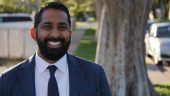
G. Roman Gupta, LCSW
Therapist, LCSW
I have been practicing for almost 20 years and I have a strength-based, trauma-informed, culturally aware, LGBTQ+ affirmative, sex positive, kink positive, poly affirming, feminist perspective. I have trained and practiced in a variety of treatment methods that offer us a variety of ways to meet your goals whether as an individual, couple, or family.
18 Years Experience
In-Person Near Fontana, CA
Online in Fontana, CA
Perfectionism
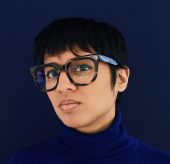
Tanya Master | Online Somatic & Psychosomatic Consulting
Life Coach, Psychosomatic Consultant · Somatic Experiencing® Practitioner in Training
Perfectionism often develops as a protective strategy rather than a personality trait. My approach explores the underlying nervous system patterns that drive overachievement, self-criticism, and chronic pressure.
5 Years Experience
Online in Fontana, CA (Online Only)
Perfectionism therapists in Fontana, CA Statistics
Perfectionism therapists in Fontana, CA average 14 years of experience and charge around $214 per session. 100% offer online sessions. The top treatment approaches are Cognitive Behavioral Therapy (CBT) (73%), Eye Movement Desensitization and Reprocessing (EMDR) (43%), and Somatic Therapy (41%).
Average years in practice
14 Years Experience
Average cost per session
$214
Accept insurance
43%
Offer sliding scale
35%
Gender ID
| 68% |
Female |
|
| 24% |
Male |
|
| 4% |
Gender Fluid |
|
| 4% |
Non-Binary |
|
Session Type
| 55% |
In Person and Online |
|
| 45% |
Online Only |
|
Top Treatment Approaches
| 73% | Cognitive Behavioral Therapy (CBT) |
| 43% | Eye Movement Desensitization and Reprocessing (EMDR) |
| 41% | Somatic Therapy |
| 39% | Psychodynamic Therapy |
| 35% | Emotionally Focused Therapy (EFT) |
| 33% | Acceptance & Commitment Therapy (ACT) |
| 33% | Dialectical Behavior Therapy (DBT) |
Ages Served
| 100% | Adult |
| 71% | Young Adult |
| 63% | Senior |
| 41% | Teen |
| 24% | Children |
Client Focus
| 69% | Women |
| 51% | LGBTQ+ |
| 37% | Asian |
| 37% | Men |
| 33% | Christian |