Autism therapists in Lathrop, CA
Find experienced Autism therapists in Lathrop, California who provide Autism testing, evaluations, and therapy. Our directory features detailed therapist profiles so you can compare qualifications, specialties, and treatment approaches to find the provider that’s right for you.
Autism
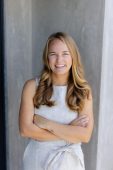
Hannah Nyznyk Christian
Marriage and Family Therapist, LMFT #133278
We provide affirming, strengths-based support for individuals on the autism spectrum. Our work focuses on self-understanding, emotional regulation, and navigating relationships in a world that isn’t always accommodating.
7 Years Experience
Online in Lathrop, CA
Autism
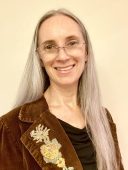
Amanda A. Hendricks
Licensed Professional Counselor, LPCC, ATR-BC, MA, MFA, RYT®200, CTMH, EMDRIA Certified Therapist™
In my practice I have experience and skill in supporting neurodiverse individuals on the autism spectrum. I support their unique needs in processing experiences, healing and personal growth.
12 Years Experience
Online in Lathrop, CA
Autism
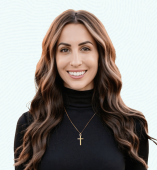
Monica M. Huston
Marriage and Family Therapist, LMFT
I work with individuals on the autism spectrum and their families to better understand communication styles, emotional experiences, and relational dynamics. My approach is respectful, collaborative, and tailored to each person’s strengths and needs. Therapy can support increased self-understanding, improved relationships, and navigating social or emotional challenges with greater clarity and confidence.
9 Years Experience
Online in Lathrop, CA
Autism
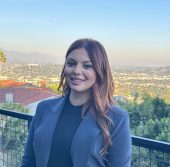
Dr. Mazmanyan and Associates
Psychologist, Ph.D
We have experience working with individuals on the spectrum and can offer support through skill based learning while also exploring relational dynamics.
11 Years Experience
Online in Lathrop, CA
Autism
Dr. Jag Soni
Psychologist, Ph.D., HSPP, PCC, SPHR, SHRM-SCP
Navigating a world not designed for your neurodivergent experience requires an expert, neuro-affirming approach to Autism and Asperger’s that honors your unique perspective. Drawing on over 35 years of Ph.D.-level expertise, I provide a specialized space focused on the internal shifts that allow you to thrive without the exhausting pressure to mask. Together, we move toward a life of authenticity and social comfort, tailored to your specific story and sensory needs. In a private Telehealth setting, I am ready to help you thrive on your own terms—contact me to schedule your first appointment.
36 Years Experience
Online in Lathrop, CA (Online Only)
Autism therapists in Lathrop, CA Statistics
Autism therapists in Lathrop, CA average 14 years of experience and charge around $229 per session. 100% offer online sessions. The top treatment approaches are Cognitive Behavioral Therapy (CBT) (63%), Family Systems Therapy (43%), and Psychodynamic Therapy (41%).
Average years in practice
14 Years Experience
Average cost per session
$229
Accept insurance
45%
Offer sliding scale
43%
Gender ID
| 60% |
Female |
|
| 25% |
Male |
|
| 9% |
Non-Binary |
|
| 6% |
Gender Fluid |
|
Session Type
| 63% |
In Person and Online |
|
| 37% |
Online Only |
|
Top Treatment Approaches
| 63% | Cognitive Behavioral Therapy (CBT) |
| 43% | Family Systems Therapy |
| 41% | Psychodynamic Therapy |
| 41% | Relational Psychotherapy |
| 41% | Solution-Focused Brief Therapy (SFBT) |
| 39% | Internal Family Systems (IFS) |
| 37% | Eye Movement Desensitization and Reprocessing (EMDR) |
Ages Served
| 100% | Adult |
| 75% | Young Adult |
| 59% | Teen |
| 57% | Senior |
| 45% | Children |
Client Focus
| 61% | LGBTQ+ |
| 61% | Women |
| 47% | Persons with Disabilities |
| 37% | Black / African American |
| 37% | Men |