Social Isolation therapists in Monterey, CA
Browse Social Isolation therapists in Monterey, California. Compare credentials, specialties and therapeutic approach. Contact a therapist to learn more.
Social Isolation
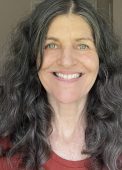
Laurie Moore
Marriage and Family Therapist, LMFT, PhD, IFS, Certified Hypnotherapist, EMDR, Cyclical Pain Repatterning, Somatic, Expressive Arts
The more we isolate the more difficult it becomes to create a life with others. While some people have more of a monk nature, others are experiencing hurt or fear that inhibits fulfillment of desires to bond. You will receive help to sort this out, heal and find the best ways for you, as a unique individual, to connect with others.
27 Years Experience
Online in Monterey, CA (Online Only)

Social Isolation
Mind Study Center
Counselor/Therapist, LMFT, M.D., Ph.D.,
At Mind Study Center, we provide compassionate support for individuals experiencing social isolation. Our team works to identify the underlying causes of isolation, whether related to anxiety, depression, or life transitions, and develops personalized strategies to foster connection. Through therapy and skill-building, we help clients build healthier relationships, improve social skills, and increase social engagement, empowering them to overcome loneliness and build a supportive, fulfilling social network.
10 Years Experience
Online in Monterey, CA

Social Isolation
Timothy Walker
Marriage and Family Therapist, LMFT
Social isolation comes when the external world no longer seems a viable investment of your Self. The people, places, things and events do not feed you. Or you may be afraid of something or some part of what they represent. And yet in the end we are social creatures, and crave connection. Let's shine a light into the dark spaces with you and mend what needs mending.
9 Years Experience
Online in Monterey, CA (Online Only)
Social Isolation
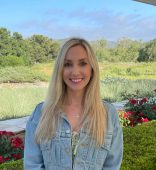
Shayda Ewalt
Marriage and Family Therapist, LMFT
Isolation can be both a protective response and a painful experience. If connection has felt unsafe or disappointing, withdrawing may have been your nervous system's way of coping. Together, we explore what makes connection feel difficult while gradually building capacity for meaningful, authentic relationships.
10 Years Experience
Online in Monterey, CA (Online Only)
Social Isolation
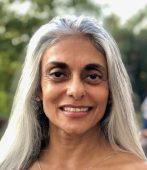
Dr. Jag Soni
Psychologist, Ph.D., HSPP, PCC, SPHR, SHRM-SCP
Persistent Social Isolation can lead to a profound sense of "stuckness" and a loss of personal vitality. As a Ph.D. Psychologist with 35 years of experience, I provide an expert space to explore the internal barriers and life circumstances that contribute to your withdrawal. We work to uncover root causes and foster the internal shifts necessary to rebuild your sense of belonging and social confidence. Through secure Telehealth, I offer a compassionate, tailored path toward re-engaging with an authentic and manageable life. Reach out today to schedule your first appointment.
36 Years Experience
Online in Monterey, CA (Online Only)
Social Isolation therapists in Monterey, CA Statistics
Social Isolation therapists in Monterey, CA average 15 years of experience and charge around $228 per session. 100% offer online sessions. The top treatment approaches are Cognitive Behavioral Therapy (CBT) (66%), Person-Centered Therapy (Rogerian) (43%), and Solution-Focused Brief Therapy (SFBT) (41%).
Average years in practice
15 Years Experience
Average cost per session
$228
Accept insurance
33%
Offer sliding scale
38%
Gender ID
| 57% |
Female |
|
| 37% |
Male |
|
| 3% |
Gender Fluid |
|
| 3% |
Non-Binary |
|
Session Type
| 59% |
In Person and Online |
|
| 41% |
Online Only |
|
Top Treatment Approaches
| 66% | Cognitive Behavioral Therapy (CBT) |
| 43% | Person-Centered Therapy (Rogerian) |
| 41% | Solution-Focused Brief Therapy (SFBT) |
| 39% | Emotionally Focused Therapy (EFT) |
| 39% | Psychodynamic Therapy |
| 39% | Relational Psychotherapy |
| 36% | Existential / Humanistic Therapy |
Ages Served
| 97% | Adult |
| 69% | Senior |
| 67% | Young Adult |
| 46% | Teen |
| 26% | Children |
Client Focus
| 70% | Women |
| 56% | Men |
| 51% | LGBTQ+ |
| 48% | Asian |
| 43% | Hispanic / Latino |