Perfectionism therapists in Ripon, CA
Browse Perfectionism therapists in Ripon, California. Compare credentials, specialties and therapeutic approach. Contact a therapist to learn more.
View nearby cities

Perfectionism
Nes Pinar Psychotherapy
Marriage and Family Therapist, LMFT
Many people don’t realize that perfectionism isn’t about doing things perfectly—it’s about feeling like anything less than what they had in their minds is unacceptable. This mindset often creates constant self‑criticism, pressure, and a sense that nothing is ever “good enough,” even when you’re working incredibly hard. I help clients notice these patterns with compassion and begin shifting toward a more grounded, accepting way of relating to themselves.
15 Years Experience
Online in Ripon, CA
Perfectionism
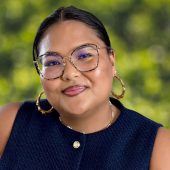
Abigail (Abi) Zarate Ramsay
Pre-Licensed Professional, Marriage and Family Therapist Trainee, Professional Clinical Counselor Trainee
I help clients struggling with perfectionism, self-criticism, and burnout learn to set kinder expectations, tolerate mistakes, and build a more flexible, values-based sense of success.
0 Years Experience
Online in Ripon, CA (Online Only)

Perfectionism
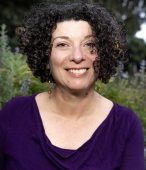
Mary Mallinson Therapy
Licensed Clinical Social Worker, LCSW
Perfectionism often shows up as pressure, self-criticism, and fear of failure. Together, we explore the roots of perfectionism and work toward building self-compassion, flexibility, and a more balanced, sustainable way of relating to yourself.
5 Years Experience
Online in Ripon, CA (Online Only)
Perfectionism
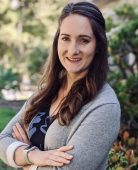
Heidi Hartston
Psychologist, PhD
Therapy can help you navigate the traps related to perfectionism, including procrastination, self-criticism, fear of failure, imposter syndrome, overthinking and fear of falling short. We can work to quiet the inner critic, address black and white thinking in evaluating yourself and your work, and find purpose driven motivation (rather than fear driven). Shifting your inner conversation can result in great relief and can unlock your creativity, reinvigorate your interest and have you feeling proud of your work and your skillset. I combine insightful, caring depth work with evidence based techniques that effectively free you from self-sabotaging patterns, and help you to build the balanced, happy life you deserve.
35 Years Experience
Online in Ripon, CA (Online Only)
Perfectionism
Kristina Anzell
Licensed Clinical Social Worker, LCSW, CPSC
You are used to putting in extra work to get it right. When you don't do something right the first time, you beat yourself up and then spend time learning, researching and then don't stop trying until you get it perfect. The issue... babies do not work that way. They are all different, they are not predictable and they are not able to be controlled. You are spending too much time and energy on something that is "supposed to come naturally" and it feels awful! Get the support you need!
10 Years Experience
Online in Ripon, CA
Perfectionism therapists in Ripon, CA Statistics
Perfectionism therapists in Ripon, CA average 13 years of experience and charge around $228 per session. 100% offer online sessions. The top treatment approaches are Cognitive Behavioral Therapy (CBT) (69%), Eye Movement Desensitization and Reprocessing (EMDR) (45%), and Somatic Therapy (43%).
Average years in practice
13 Years Experience
Average cost per session
$228
Accept insurance
39%
Offer sliding scale
41%
Gender ID
| 70% |
Female |
|
| 22% |
Male |
|
| 4% |
Gender Fluid |
|
| 4% |
Non-Binary |
|
Session Type
| 57% |
In Person and Online |
|
| 43% |
Online Only |
|
Top Treatment Approaches
| 69% | Cognitive Behavioral Therapy (CBT) |
| 45% | Eye Movement Desensitization and Reprocessing (EMDR) |
| 43% | Somatic Therapy |
| 39% | Psychodynamic Therapy |
| 37% | Emotionally Focused Therapy (EFT) |
| 33% | Acceptance & Commitment Therapy (ACT) |
| 33% | Dialectical Behavior Therapy (DBT) |
Ages Served
| 100% | Adult |
| 67% | Young Adult |
| 61% | Senior |
| 39% | Teen |
| 24% | Children |
Client Focus
| 69% | Women |
| 53% | LGBTQ+ |
| 37% | Asian |
| 35% | Hispanic / Latino |
| 33% | Men |