Perfectionism therapists in Santa Paula, CA
Browse Perfectionism therapists in Santa Paula, California. Compare credentials, specialties and therapeutic approach. Contact a therapist to learn more.
Perfectionism
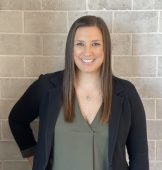
Melanie Simms
Marriage and Family Therapist, LMFT
I believe that self-compassion is the antidote for perfectionism. I work with clients to heal from early traumatic experiences that may have led to the development of perfectionism as a coping mechanism. I help clients develop their overall feeling of self-worth and treat themselves with greater compassion to reduce perfectionistic tendencies.
11 Years Experience
In-Person Near Santa Paula, CA
Online in Santa Paula, CA

Perfectionism
Kristin Robert
Marriage and Family Therapist, AMFT
Perfectionism is rarely about excellence alone. It often develops when achievement, control, or being beyond criticism becomes tied to safety, worth, belonging, or protection from shame. What may appear as discipline can quietly produce procrastination, overworking, indecision, self-criticism, and an inability to feel satisfied even after success. Therapy explores what imperfection has come to mean, separates healthy ambition from fear-driven performance, and builds the capacity to take risks, make mistakes, and remain worthy without continually proving it.
3 Years Experience
In-Person Near Santa Paula, CA
Online in Santa Paula, CA

Perfectionism
True You Ministries | Stacy Echeverria Co-Founder
Pastoral Counselor/Therapist, Licensed Pastoral Counselor
Perfectionism can leave you feeling as though nothing you do is ever quite good enough. I help women uncover the deeper fears, beliefs, and emotional wounds that may be driving the need to perform, please others, or avoid making mistakes. Together, we work toward breaking unhealthy patterns, embracing grace, and finding greater freedom and confidence in your God-given identity rather than your performance.
6 Years Experience
Online in Santa Paula, CA (Online Only)

Perfectionism
Abigail (Abi) Zarate Ramsay
Pre-Licensed Professional, Marriage and Family Therapist Trainee, Professional Clinical Counselor Trainee
I help clients struggling with perfectionism, self-criticism, and burnout learn to set kinder expectations, tolerate mistakes, and build a more flexible, values-based sense of success.
0 Years Experience
Online in Santa Paula, CA (Online Only)

Perfectionism
Danielle Esses
Psychologist, PsyD
Perfectionism can look like high standards on the surface, but often comes with anxiety, self-criticism, and difficulty feeling satisfied or at ease. Therapy helps you understand the function of these patterns and develop a more flexible, sustainable way of approaching achievement and self-worth.
8 Years Experience
Online in Santa Paula, CA
Perfectionism therapists in Santa Paula, CA Statistics
Perfectionism therapists in Santa Paula, CA average 14 years of experience and charge around $213 per session. 100% offer online sessions. The top treatment approaches are Cognitive Behavioral Therapy (CBT) (74%), Eye Movement Desensitization and Reprocessing (EMDR) (44%), and Somatic Therapy (42%).
Average years in practice
14 Years Experience
Average cost per session
$213
Accept insurance
42%
Offer sliding scale
36%
Gender ID
| 69% |
Female |
|
| 23% |
Male |
|
| 4% |
Gender Fluid |
|
| 4% |
Non-Binary |
|
Session Type
| 56% |
In Person and Online |
|
| 44% |
Online Only |
|
Top Treatment Approaches
| 74% | Cognitive Behavioral Therapy (CBT) |
| 44% | Eye Movement Desensitization and Reprocessing (EMDR) |
| 42% | Somatic Therapy |
| 40% | Psychodynamic Therapy |
| 36% | Emotionally Focused Therapy (EFT) |
| 34% | Acceptance & Commitment Therapy (ACT) |
| 32% | Dialectical Behavior Therapy (DBT) |
Ages Served
| 100% | Adult |
| 70% | Young Adult |
| 62% | Senior |
| 40% | Teen |
| 24% | Children |
Client Focus
| 68% | Women |
| 50% | LGBTQ+ |
| 36% | Asian |
| 36% | Men |
| 32% | Christian |