Infertility therapists in Gainesville, FL
Browse Infertility therapists in Gainesville, Florida. Compare credentials, specialties and therapeutic approach. Contact a therapist to learn more.

Infertility
Alejandro Sanchez, Psy.D.
Psychologist, Post-Doctoral Fellow
Dr. Alejandro Sanchez provides compassionate support for individuals and couples facing infertility or navigating the adoption process. He understands the emotional complexities involved and offers a safe space to explore feelings, manage stress, and build resilience. Using cognitive-behavioral therapy (CBT) and mindfulness techniques, Dr. Sanchez helps clients cope with the challenges of infertility, make informed decisions, and find hope and fulfillment through adoption or other family-building options.
5 Years Experience
Online in Gainesville, FL

Infertility
Harney & Associates
Psychologist, PhD
Dr. Harney has specific training and experience working with those enduring infertility. She understands the grief, loss, anxiety, and heartbreak that coincide with the process of infertility. Her work is compassionate, collaborative, and allows space for both loss and hope.
13 Years Experience
Online in Gainesville, FL

Infertility
Dr. Sonia Ovuehor Ovy
Counselor/Therapist, Doctor of science in Counselling Psychology, Msc Conflict Resolution, Advanced Diploma in Psychotherapy, Counselling and Cognitive Behavioral Therapy, Certificate in Mental Health Studies, Suicide Prevention and Intervention, Diploma in Relationship and Family Counselling, CPD in Neuro Linguistic Programming.
As a professional in infertility and adoption counseling, I provide compassionate guidance through the following steps;
- Emotional coping and resilience towards adoption
- Relationship dynamics, Actionable steps and communication with partner and family
- Fertility treatment and alternative options
- Adoption processes and post-adoption support
9 Years Experience
Online in Gainesville, FL (Online Only)

Infertility
Dr. Elizabeth Coldren
Psychologist, PSYD, PSYPACT
I work with people whose path to or through parenthood has been different from what they hoped or imagined. This may include primary or secondary infertility, long periods of trying without a child arriving, pregnancy loss, termination, birth trauma, NICU experiences, postpartum distress, or the complex emotions that can arise before or after adoption.
Many people in this situation feel like they are living in a different world from friends and family. You may be surrounded by pregnancies, baby announcements, or parenting conversations while carrying your own mix of grief, anger, longing, relief, guilt, or numbness.
In our work together, we make space for the full reality of your experience, including the parts that feel confusing or hard to say out loud. We may explore the emotional impact of fertility treatments, medical procedures, NICU stays, long periods of uncertainty, or the decision to stop trying; grief after miscarriage, stillbirth, or other forms of loss, including the loss of a hoped‑for future; the strain these experiences place on relationships and daily life; identity questions around becoming a parent, not becoming a parent, or becoming a parent through adoption; and the layered emotions that can show up during pregnancy, in the NICU, or after a child arrives.
My intention is not to rush you toward acceptance or silver linings, but to offer a place where your story is honored, your feelings make sense, and you do not have to hold this on your own. This is central to my work, and I hold these stories with deep care.
26 Years Experience
Online in Gainesville, FL
Infertility
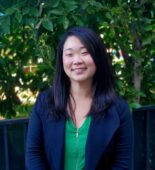
Dr. Jadah Petty
Psychologist, Ph.D., Licensed Clinical Psychologist
For many adoptees, they have not had the opportunity to explore their adoptive identity and understand how their adoption has shaped the ways they see themselves and others. Understanding the myths around adoption and exploring it means to be adopted is something I can offer in therapy.
7 Years Experience
Online in Gainesville, FL (Online Only)
Gainesville is home to the University of Florida, one of the largest universities in the United States by enrollment, and the city's character and mental health landscape are overwhelmingly shaped by this—a huge, young student population with significant academic, social, and identity-related mental health needs, supported by one of Florida's most comprehensive university counseling systems. UF Health Shands Hospital provides one of the state's strongest behavioral health services, making Gainesville an important regional resource for psychiatric care across north Florida. The population dynamic creates a city that is both progressive and college-town oriented, surrounded by a more rural north Florida context, and therapists in Gainesville work across a wide range of populations and presenting concerns. Common therapy concerns include academic stress, identity development, anxiety, substance use, young adult life transitions, and the particular challenges of a college community navigating mental health support often for the first time.
Infertility therapists in Gainesville, FL Statistics
Infertility therapists in Gainesville, FL average 17 years of experience and charge around $198 per session. 100% offer online sessions. The top treatment approaches are Cognitive Behavioral Therapy (CBT) (78%), Acceptance & Commitment Therapy (ACT) (43%), and Psychodynamic Therapy (43%).
Average years in practice
17 Years Experience
Average cost per session
$198
Accept insurance
40%
Offer sliding scale
37%
Gender ID
| 76% |
Female |
|
| 18% |
Male |
|
| 3% |
Gender Fluid |
|
| 3% |
Non-Binary |
|
Session Type
| 52% |
In Person and Online |
|
| 48% |
Online Only |
|
Top Treatment Approaches
| 78% | Cognitive Behavioral Therapy (CBT) |
| 43% | Acceptance & Commitment Therapy (ACT) |
| 43% | Psychodynamic Therapy |
| 38% | Family Systems Therapy |
| 37% | Person-Centered Therapy (Rogerian) |
| 33% | Solution-Focused Brief Therapy (SFBT) |
| 28% | Existential / Humanistic Therapy |
Ages Served
| 100% | Adult |
| 68% | Young Adult |
| 58% | Senior |
| 52% | Teen |
| 30% | Children |
Client Focus
| 70% | Women |
| 43% | LGBTQ+ |
| 38% | Men |
| 28% | Hispanic / Latino |
| 27% | Black / African American |