Dissociative Disorders therapists in Saint Charles, MD
Browse Dissociative Disorders therapists in Saint Charles, Maryland. Compare credentials, specialties and therapeutic approach. Contact a therapist to learn more.
Dissociation
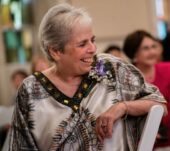
Dr. Patricia Webbink
Psychologist, MA and PhD in Clinical Psychology
For many years I have worked individually with clients who suffer with Dissociative Identity Disorder (DID), as well as in couples, families, and group settings. Popular books such as "Three faces of Eve" and "I Never Promised you a Rose Garden" illustrate what this"split personality" condition can be like. Many clients with DID find healing through Hypnosis. The therapeutic goal is the integration of the various identities. Some of these clients are using medication prescribed by psychiatrists as well. Also, I have worked with other therapists' clients with DID when the therapists were on vacation. Clients with this diagnosis often take a large proportion of a clinician's time, and the responsible therapist cannot leave without having adequate cover. My free zoom seminars provide an opportunity to sample what it is like to work with me. Please feel free to call for info or a consultation: 301-229-8000
56 Years Experience
In-Person Near Saint Charles, MD
Online in Saint Charles, MD

Dissociation
Dr. Berkeley Antonioli
Licensed Clinical Social Worker, PhD, LCSW, LCSW-C, MEd
The majority of my training and clinical work has been focused on helping adults recover from early traumatic experiences. Often, the traumas my clients are working through is rooted in early relational and/or sexual experiences that leave a lasting impact on their formative developmental years and beyond. These early experiences often impact how clients have learned to operate and survive in relationships, including developing dissociative processes to cope. Dissociative disorders exist on a continuum, ranging from developmentally typical dissociation to a severely fractured experience of the self. Complex trauma often presents with dissociative elements that clients have adapted to survive and tolerate feeling overwhelmed or triggered.
11 Years Experience
Online in Saint Charles, MD (Online Only)
Dissociation
Washington Psychological Wellness
Counselor/Therapist
Washington Psychological Wellness is passionate about helping people live the lives they have envisioned by bringing values of honesty, kindness, humor, and compassion to the practice. Therapy can inspire change, create greater self-awareness, and improve one's life and relationships. Our clinicians provide a comfortable and collaborative environment where you can take risks and explore different ways of thinking, feeling, and being. We aim to help you gain clarity about the underlying causes of problems, provide strategies to help you cope, and empower you to trust your inner voice and live each day authentically. Washington Psychological Wellness believes in respect and equality for all regardless of race, ethnicity, nationality, class, caste, religion, belief, sex, gender, language, sexual orientation, gender identity, sex characteristics, age, health, or status. We are currently accepting new clients. Telehealth (online) therapy options are available. Call now to schedule your appointment!
12 Years Experience
Online in Saint Charles, MD

Dissociation
Dr. Alan Ickowitz
Psychologist, Psy.D.
I have helped clients cope with and heal from trauma resulting in dissociative disorders for more than 15 years.
35 Years Experience
Online in Saint Charles, MD

Dissociation
Therapy Solutions, LLC
Psychologist
Dr. Sanness has training and expertise in complex trauma and dissociation. She works with individuals with PTSD, and comorbid dissociative disorders. Dr. Sanness uses a stage-approach to trauma treatment and teaches practical skills to help cope with dissociation such as grounding, containment, etc.
24 Years Experience
Online in Saint Charles, MD
Dissociative Disorders therapists in Saint Charles, MD Statistics
Dissociative Disorders therapists in Saint Charles, MD average 20 years of experience and charge around $221 per session. 100% offer online sessions. The top treatment approaches are Cognitive Behavioral Therapy (CBT) (62%), Existential / Humanistic Therapy (58%), and Person-Centered Therapy (Rogerian) (50%).
Average years in practice
20 Years Experience
Average cost per session
$221
Accept insurance
35%
Offer sliding scale
27%
Gender ID
| 48% |
Female |
|
| 40% |
Male |
|
| 6% |
Gender Fluid |
|
| 6% |
Non-Binary |
|
Session Type
| 69% |
In Person and Online |
|
| 31% |
Online Only |
|
Top Treatment Approaches
| 62% | Cognitive Behavioral Therapy (CBT) |
| 58% | Existential / Humanistic Therapy |
| 50% | Person-Centered Therapy (Rogerian) |
| 42% | Emotionally Focused Therapy (EFT) |
| 42% | Experiential Therapy |
| 42% | Internal Family Systems (IFS) |
| 42% | Psychodynamic Therapy |
Ages Served
| 100% | Adult |
| 62% | Young Adult |
| 54% | Senior |
| 50% | Teen |
| 31% | Children |
Client Focus
| 54% | Men |
| 50% | Women |
| 46% | LGBTQ+ |
| 35% | Military / Veterans |
| 31% | Persons with Disabilities |