Dissociative Disorders therapists in Grandview, MO
Browse Dissociative Disorders therapists in Grandview, Missouri. Compare credentials, specialties and therapeutic approach. Contact a therapist to learn more.
Dissociation
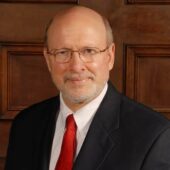
Dr. Francis J. Manley
Therapist, Ph.D
I have more than 25 years experience helping people solve psychological problems and go on to live satisfying lives as fully developed individuals. Therapy is a rewarding process in which therapist and client collaborate to find solutions and undreamed of possibilities.
37 Years Experience
In-Person Near Grandview, MO

Dissociation
Growth and Change Counseling
Marriage and Family Therapist, LMFT
Sometimes in life, an experience so traumatic happens that my psyche splits and cuts off part of myself in order to protect myself from what happened. It was a defensive mechanism at the time of the trauma to protect me from my incapacity to process it, but now its also created a situation where part of me is cut off from the other part of me. If I stay this way, I remain stuck in a fragmented or wounded place psychologically. The reality is we all want to be whole and part of healing may involve a process of reintegrating all the parts of myself with each other. If you think you may be dissociating, call us. We would come alongside you to help you.
8 Years Experience
Online in Grandview, MO (Online Only)

Dissociation
Cheryl S Rubenstein
Psychologist, PhD
Dissociative disorders require special training and I have a lot of experience working with them.
19 Years Experience
Online in Grandview, MO

Dissociation
Emily Rowe
Psychologist, Psy.D.
I provide specialized care for individuals experiencing dissociative disorders, helping clients who may feel disconnected from themselves or their surroundings. Using trauma-informed, evidence-based therapies like CBT and ACT, I support clients in grounding themselves, managing symptoms, and reconnecting with their emotions and identity. Together, we’ll work on building safety, stability, and greater self-awareness to help you feel more present and in control.
7 Years Experience
Online in Grandview, MO

Dissociation
Community and Long-Term Care Psychiatry, L.L.C.
Psychiatrist, Psychiatrists and LCSWs
2 of 4 our therapists have extensive background in treating this condition. The treatments provided by them are lead by our psychiatry team
11 Years Experience
Online in Grandview, MO
Dissociative Disorders therapists in Grandview, MO Statistics
Dissociative Disorders therapists in Grandview, MO average 19 years of experience and charge around $213 per session. 96% offer online sessions. The top treatment approaches are Existential / Humanistic Therapy (58%), Cognitive Behavioral Therapy (CBT) (50%), and Person-Centered Therapy (Rogerian) (50%).
Average years in practice
19 Years Experience
Average cost per session
$213
Accept insurance
42%
Offer sliding scale
29%
Gender ID
| 56% |
Male |
|
| 44% |
Female |
|
Session Type
| 54% |
In Person and Online |
|
| 42% |
Online Only |
|
| 4% |
In Person Only |
|
Top Treatment Approaches
| 58% | Existential / Humanistic Therapy |
| 50% | Cognitive Behavioral Therapy (CBT) |
| 50% | Person-Centered Therapy (Rogerian) |
| 38% | Experiential Therapy |
| 38% | Psychodynamic Therapy |
| 33% | Emotionally Focused Therapy (EFT) |
| 33% | Internal Family Systems (IFS) |
Ages Served
| 100% | Adult |
| 67% | Young Adult |
| 63% | Senior |
| 50% | Teen |
| 25% | Children |
Client Focus
| 54% | Men |
| 50% | Women |
| 42% | Military / Veterans |
| 38% | LGBTQ+ |
| 29% | Christian |