Personality Disorders therapists in Moncton, NB
Browse Personality Disorders therapists in Moncton, New Brunswick, Canada. Compare credentials, specialties and therapeutic approach. Contact a therapist to learn more.

Personality Disorders
Mia Klassen
Licensed Professional Counsellor, MPCC #3875, CT #2438, LSCC
If you've been told you have a personality disorder—or suspect you might—you've likely spent years feeling misunderstood, stigmatized, or blamed for patterns you don't know how to change. These aren't character flaws; they're trauma responses that became your survival blueprint. Once we've built trust, we'll explore how your early experiences shaped how you see yourself, others, and relationships. You'll receive deep understanding for the specific symptoms you struggle with—the emotional intensity, the relationship chaos, the identity confusion. Through compassionate modeling and support, you'll learn new patterns, regulate what feels uncontrollable, and discover that change is possible. You're not broken; you're surviving.
10 Years Experience
Online in Moncton, NB
Personality Disorders
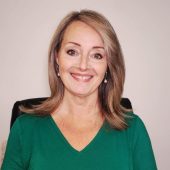
Tiffany Warmington
Registered Psychotherapist, MACP
I support individuals who are navigating challenges related to personality patterns that may impact emotions, relationships, identity, and overall well-being. my approach is compassionate, trauma-informed, and collaborative, focusing on understanding long standing patterns without judgment. Together, we can explore ways of increasing self-awareness, emotional regulation, and more stable, fulfilling relationships while working at a pace that feels safe and supportive for you.
5 Years Experience
Online in Moncton, NB (Online Only)
Personality Disorders
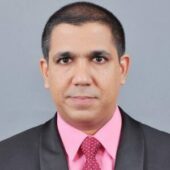
Prof. Sir Romesh Jayasinghe, OLS
Psychologist, Ph.D.(Applied Psychology), Dh.C.(Florida), FRSPH(UK), FACCPH(UK), FTBCCT(UK), Adv.Dip.(Psychiatry), Adv.Dip.(Clinical Psychology), Adv.Dip.(Neuroscience), Adv.Dip.CBT(UK), Dip.(Couples Therapy), Dip.(Hypnotherapy), Dip.(Relationship Psychology), Dip.(Nutrition Science), Cert.(Integrative Mental Health)
I treat personality disorders using CBT, DBT and hypnotherapy.
20 Years Experience
Online in Moncton, NB

Personality Disorders
Wayne Dewhurst
Registered Psychotherapist, RP, CAMFT
Narcissistic Personality Disorder can create significant challenges in relationships, communication, emotional regulation, and a person's understanding of themselves and others. I help clients explore the patterns underlying these difficulties while developing greater self-awareness and healthier ways of relating. My work can also support partners and family members who are trying to understand and navigate the impact of these relationship dynamics.
12 Years Experience
Online in Moncton, NB

Personality Disorders
Daniel Klassen
Psychologist, Provisional, (P7619) with CAP in Alberta & Registered Clinical Counsellor (RCC 19147) with BCACC, for elsewhere in Canada
Living with a personality disorder (PD) can be profoundly challenging and emotionally painful. Individuals with PDs often struggle with persistent difficulties in how they see themselves, interpret the world, and relate to others. These challenges can lead to unstable emotions, unpredictable behaviors, and deeply strained relationships. Feelings of emptiness, intense fear of abandonment, and a fragmented sense of identity are common and can make everyday life feel overwhelming.
The impact of a personality disorder often extends into many areas of life—causing interpersonal conflict, difficulty maintaining employment, and even challenges with stable housing. On top of these struggles, individuals with PDs frequently face stigma and misunderstanding, which can further deepen feelings of isolation, shame, and hopelessness.
Despite these hurdles, meaningful recovery is possible. With the right support—including evidence-based therapy, skill-building, and, in some cases, medication—individuals can learn to manage their symptoms and build a more stable, fulfilling life. Healing involves navigating conflict, clarifying personal identity and values, developing effective coping strategies, setting healthy boundaries, and cultivating supportive relationships.
Daniel, a Certified Personality Disorder Treatment Provider (C-PD), specializes in helping individuals with PDs reclaim their lives. His compassionate and structured approach empowers clients to move beyond survival and toward a deeper sense of self-awareness, connection, and emotional resilience.
Daniel offers both brief screening for personality disorders and comprehensive, customized assessments. He welcomes inquiries regarding this and other psychological testing services he provides.
7 Years Experience
Online in Moncton, NB
Personality Disorders therapists in Moncton, NB Statistics
Personality Disorders therapists in Moncton, NB average 14 years of experience and charge around $167 per session. 100% offer online sessions. The top treatment approaches are Cognitive Behavioral Therapy (CBT) (73%), Dialectical Behavior Therapy (DBT) (67%), and Emotionally Focused Therapy (EFT) (60%).
Average years in practice
14 Years Experience
Average cost per session
$167
Accept insurance
87%
Offer sliding scale
60%
Gender ID
| 48% |
Male |
|
| 42% |
Female |
|
| 5% |
Gender Fluid |
|
| 5% |
Non-Binary |
|
Session Type
| 73% |
In Person and Online |
|
| 27% |
Online Only |
|
Top Treatment Approaches
| 73% | Cognitive Behavioral Therapy (CBT) |
| 67% | Dialectical Behavior Therapy (DBT) |
| 60% | Emotionally Focused Therapy (EFT) |
| 60% | Internal Family Systems (IFS) |
| 60% | Person-Centered Therapy (Rogerian) |
| 53% | Solution-Focused Brief Therapy (SFBT) |
| 47% | Eye Movement Desensitization and Reprocessing (EMDR) |
Ages Served
| 100% | Adult |
| 93% | Young Adult |
| 87% | Teen |
| 80% | Senior |
| 40% | Children |
Client Focus
| 73% | Men |
| 67% | Women |
| 60% | Persons with Disabilities |
| 47% | Military / Veterans |
| 40% | Asian |