Autism therapists in Olivebridge, NY
Find experienced Autism therapists in Olivebridge, New York who provide Autism testing, evaluations, and therapy. Our directory features detailed therapist profiles so you can compare qualifications, specialties, and treatment approaches to find the provider that’s right for you.

Autism
Pleasant Valley Mental Health Counseling
Licensed Mental Health Counselor, LMHC
We have a few clinicians who have extensive backgrounds focusing on managing symptoms of Austism
6 Years Experience
Online in Olivebridge, NY (Online Only)

Autism
Stephanie Miodus
Psychologist, PhD, NCSP
I have extensive expertise working with children, adolescents, and adults diagnosed with autism. My approach includes comprehensive autism evaluations using evidence-based tools like the ADOS-2, while also incorporating assessment tools designed to address the unique diagnostic needs of girls, women, and adults. I have specialized training in the Early Start Denver Model (ESDM)—a developmental, play-based behavioral therapy for young children with autism—and hold PEERS® certification from the UCLA PEERS® Clinic, focusing on social skills training. In addition to diagnostic assessments, I provide personalized therapy to address co-occurring mental health challenges commonly experienced by autistic individuals. I collaborate closely with parents to build strategies for improving skills and addressing challenges at home. My expertise in autism-focused therapy and the mental health needs of autistic individuals has been recognized at national platforms, including presentations at the American Psychological Association Convention and Kennedy Krieger Institute.
2 Years Experience
Online in Olivebridge, NY

Autism
Steven Merino
Licensed Mental Health Counselor, LMHC
I offer a respectful, compassionate space tailored to support individuals with Autism and Asperger’s. Understanding that each person’s experience is unique, I work collaboratively to honor your strengths and challenges. Together, we’ll explore strategies that fit your needs, promote self-awareness, and enhance your well-being—all at a pace that feels right for you. My goal is to empower you in navigating life’s demands with confidence and authenticity.
2 Years Experience
Online in Olivebridge, NY (Online Only)
Autism
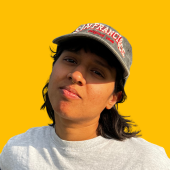
Tanya Master | Online Somatic & Psychosomatic Consulting
Somatic Experiencing Practitioner, Trauma-Informed Somatic Practitioner | Integrative Coach
My practice is neurodivergent-informed and recognises that many traditional approaches overlook sensory, emotional, and nervous system differences. I offer a collaborative, non-pathologising space that honours individual ways of experiencing the world.
5 Years Experience
Online in Olivebridge, NY (Online Only)

Autism
Dr. L A McCrae
Licensed Professional Counselor, LCADC, FOT, CCTP, CCTSA
My approach to Autism is deeply personal and neuro-affirming, focusing on the reclamation of self after a lifetime of masking. We create a sensory-safe environment where your unique cognitive geography is celebrated rather than pathologized. Together, we navigate the "unmasking" process to ensure your social and professional lives align with your authentic needs.
7 Years Experience
Online in Olivebridge, NY
Autism therapists in Olivebridge, NY Statistics
Autism therapists in Olivebridge, NY average 12 years of experience and charge around $201 per session. 100% offer online sessions. The top treatment approaches are Cognitive Behavioral Therapy (CBT) (69%), Behavioral Therapy (51%), and Dialectical Behavior Therapy (DBT) (46%).
Average years in practice
12 Years Experience
Average cost per session
$201
Accept insurance
51%
Offer sliding scale
49%
Gender ID
| 56% |
Female |
|
| 24% |
Male |
|
| 12% |
Non-Binary |
|
| 8% |
Gender Fluid |
|
Session Type
| 63% |
In Person and Online |
|
| 37% |
Online Only |
|
Top Treatment Approaches
| 69% | Cognitive Behavioral Therapy (CBT) |
| 51% | Behavioral Therapy |
| 46% | Dialectical Behavior Therapy (DBT) |
| 40% | Acceptance & Commitment Therapy (ACT) |
| 37% | Family Systems Therapy |
| 31% | Person-Centered Therapy (Rogerian) |
| 29% | Solution-Focused Brief Therapy (SFBT) |
Ages Served
| 94% | Adult |
| 83% | Young Adult |
| 63% | Teen |
| 46% | Children |
| 43% | Senior |
Client Focus
| 71% | LGBTQ+ |
| 63% | Persons with Disabilities |
| 60% | Women |
| 46% | Men |
| 43% | Hispanic / Latino |