Autism therapists in Hope Mills, NC
Find experienced Autism therapists in Hope Mills, North Carolina who provide Autism testing, evaluations, and therapy. Our directory features detailed therapist profiles so you can compare qualifications, specialties, and treatment approaches to find the provider that’s right for you.

Autism
Beth Janis
Psychologist, Ph.D.
I enjoy working with neurodivergent individuals (e.g., ADHD, Autism, SPD) and their families to better understand themselves, the strengths and uniqueness of their differently-wired brains, and the areas in which they feel stuck. I utilize a neurodiversity-affirming lens that emphasizes seeing the whole person and that integrates their preferences related to sensory processing, communication and relationships, and special interests. I value collaborating with other service providers and joining with the individual and family at any stage of the diagnostic and self-discovery process.
8 Years Experience
Online in Hope Mills, NC
Autism
NeuroSpark Health
Psychologist
NeuroSpark Health specializes in adult autism assessment and the nuanced presentations seen in women, AFAB, LGBTQIA+, BIPOC, and other marginalized communities as well as those late-identified and self-diagnosed. Our assessments fully virtual and are designed to affirm, validate, and de-pathologize each individual's neurodivergent identity. In addition to assessment, NeuroSpark also offers therapy, coaching, accommodations consulting, and group support.
15 Years Experience
Online in Hope Mills, NC (Online Only)
Autism
First-Aid Counseling, PLLC
Counselor/Therapist, LCMHC, LCASA, LCSW
We provide affirming and supportive therapy for individuals with autism spectrum disorder and Asperger’s traits, as well as their families. Our approach focuses on building self-understanding, strengthening communication and social skills, managing emotions, and celebrating each person’s unique strengths.
3 Years Experience
Online in Hope Mills, NC (Online Only)
Autism
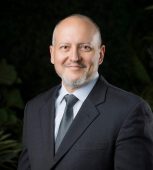
Alexey Tolchinsky
Psychologist, Psy.D.
Psychotherapy tailored for intellectually high-performing neurodiverse individuals navigating performance-related stress, burnout, sensory overload, and social challenges.
11 Years Experience
Online in Hope Mills, NC (Online Only)

Autism
Dr. Jillian Mahatha
Licensed Mental Health Counselor, Ph.D., LCMHC, NCC, ACS, CCTP
I specialize in working with children, adolescents, and adults on the autism spectrum. I provide individualized, strengths-based support to help clients develop social, emotional, communication, and daily living skills while honoring each person's unique abilities and needs.
14 Years Experience
Online in Hope Mills, NC (Online Only)
Autism therapists in Hope Mills, NC Statistics
Autism therapists in Hope Mills, NC average 15 years of experience and charge around $208 per session. 100% offer online sessions. The top treatment approaches are Cognitive Behavioral Therapy (CBT) (61%), Acceptance & Commitment Therapy (ACT) (47%), and Behavioral Therapy (37%).
Average years in practice
15 Years Experience
Average cost per session
$208
Accept insurance
41%
Offer sliding scale
31%
Gender ID
| 54% |
Female |
|
| 30% |
Male |
|
| 10% |
Non-Binary |
|
| 6% |
Gender Fluid |
|
Session Type
| 57% |
In Person and Online |
|
| 43% |
Online Only |
|
Top Treatment Approaches
| 61% | Cognitive Behavioral Therapy (CBT) |
| 47% | Acceptance & Commitment Therapy (ACT) |
| 37% | Behavioral Therapy |
| 31% | Dialectical Behavior Therapy (DBT) |
| 31% | Multicultural Therapy |
| 29% | Emotionally Focused Therapy (EFT) |
| 29% | Person-Centered Therapy (Rogerian) |
Ages Served
| 96% | Adult |
| 80% | Young Adult |
| 55% | Teen |
| 51% | Senior |
| 39% | Children |
Client Focus
| 61% | Women |
| 55% | LGBTQ+ |
| 45% | Men |
| 39% | Persons with Disabilities |
| 35% | Black / African American |