Elderly Persons Disorders therapists in Pittsburgh, PA
Browse Elderly Persons Disorders therapists in Pittsburgh, Pennsylvania. Compare credentials, specialties and therapeutic approach. Contact a therapist to learn more.

Elderly Issues
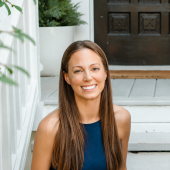
Michael Zamrin
Licensed Clinical Social Worker, LCSW, MSW, MA
As a therapist, I support older adults in finding a renewed sense of purpose and fulfillment in the later stages of life. Many elders face regrets about the past or struggle with chronic health conditions, which can lead to feelings of hopelessness. I help clients cope with these challenges by exploring their values, addressing fears around death and aging, and encouraging ongoing personal growth. Together, we identify new passions, foster resilience, and create space for continued exploration, connection, and meaning in life—no matter the age.
36 Years Experience
Online in Pittsburgh, PA (Online Only)
Elderly Issues
Mallory Lamb
Psychologist, Psy.D.
I work with individual and their family members facing common aging related concerns. This may include caregiver burden, adjusting to a diagnosis of dementia, or another neurocognitive disorder (e.g., Parkinsons), or health-related changes (e.g., stroke, functional decline). My educational and clinical background specialized in geropyschology / geriatrics.
13 Years Experience
Online in Pittsburgh, PA (Online Only)
Elderly Issues
PhilaTherapy, LLC.
Licensed Professional Counselor
We realize all ages can struggle with certain issues, even as we get older. PhilaTherapy, LLC. offers psychotherapy, from some our trained clinicians, to identify and process issues and concerns that our older clients maybe experiencing. Treatment plans and goal setting, unique to each client, addresses and treats difficulties an older population might be experiencing.
19 Years Experience
Online in Pittsburgh, PA

Elderly Issues
Dr. Christopher Lowery, DHSc, CLCP
Clinical Health Practitioner, Board-Certified Life Care Planner
This component address the age related mental health challenges, cognitive changes, emotional well-being, and strategies to maintain independence and quality of life.
24 Years Experience
Online in Pittsburgh, PA

Elderly Issues
MJB Wellness LLC
Hypnotherapist, Certified Hypnotherapist and Coach, Certified Sexological Bodyworker, Sex Educator, Certified Reiki
When I began my practice, I was already in my mid 60s and assumed I would specialize in older adults. As a specialist in sexuality, I have helped many clients who come to me with sexual issues, most related to aging. I've become an expert of elder sexuality, assisting clients who want to continue to enjoy a healthy and satisfying erotic life. I have helped clients overcome erectile dysfunction, inability to orgasm, low desire, pain with sex and other problems. Many clients come to me post divorce or widowhood, who have not been sexual or even touched for decades and whose bodies have gone numb. Lack of education is a big problem for many and just learning about what is "normal" and what is possible is a huge game changer. Often, there needs to be a clearing of emotional issues that needs to be cleared. More recently, I have begun working with clients who have medical issues related to aging, working with people who are dealing with Parkinsons, IBS, Cancer, etc. Finally, as we age often we become anxious and fearful about our mortality, something that I can definitely help with as a hypnotist.
8 Years Experience
Online in Pittsburgh, PA
Elderly Persons Disorders therapists in Pittsburgh, PA Statistics
Elderly Persons Disorders therapists in Pittsburgh, PA average 20 years of experience and charge around $211 per session. 100% offer online sessions. The top treatment approaches are Cognitive Behavioral Therapy (CBT) (63%), Behavioral Therapy (44%), and Biopsychosocial Therapy (44%).
Average years in practice
20 Years Experience
Average cost per session
$211
Accept insurance
63%
Offer sliding scale
38%
Gender ID
| 65% |
Female |
|
| 35% |
Male |
|
Session Type
| 56% |
In Person and Online |
|
| 44% |
Online Only |
|
Top Treatment Approaches
| 63% | Cognitive Behavioral Therapy (CBT) |
| 44% | Behavioral Therapy |
| 44% | Biopsychosocial Therapy |
| 44% | Psychodynamic Therapy |
| 44% | Solution-Focused Brief Therapy (SFBT) |
| 38% | Eclectic Therapy |
| 31% | Acceptance & Commitment Therapy (ACT) |
Ages Served
| 100% | Adult |
| 100% | Senior |
| 75% | Young Adult |
| 44% | Teen |
| 13% | Children |
Client Focus
| 63% | Women |
| 50% | LGBTQ+ |
| 50% | Men |
| 44% | Persons with Disabilities |
| 31% | Black / African American |