Perfectionism therapists in Pittsburgh, PA
Browse Perfectionism therapists in Pittsburgh, Pennsylvania. Compare credentials, specialties and therapeutic approach. Contact a therapist to learn more.

Perfectionism
Iris Bowen
Licensed Clinical Social Worker, LCSW, MBA
Folks who struggle with perfectionism and intellectualization tend to represent a high-percentage of my practice. In my experience, people who struggle with perfectionism may have parts that deny they’re a perfectionist—I mean, everybody has to have a standard, right? I love helping folks deepen their understanding of these standards which seem "mission critical,” but may actually be inhibiting happiness and growth.
7 Years Experience
Online in Pittsburgh, PA (Online Only)

Perfectionism
Dr. Shannon Coleman
Psychologist, PhD
Perfectionism can create relentless pressure to perform, avoid mistakes, or meet impossibly high standards. Therapy can help you examine the beliefs underlying perfectionism, develop more flexible expectations, and pursue goals without being controlled by fear of failure or criticism.
21 Years Experience
Online in Pittsburgh, PA (Online Only)

Perfectionism
Katie Dixon
Licensed Professional Counselor, LPC, NCC
Perfectionism can create a constant sense of pressure to meet unattainable expectations, fear of making mistakes or being judged, and difficulty feeling content with yourself or satisfied your accomplishments. Therapy can help you understand the patterns and beliefs that drive perfectionism, develop a more balanced relationship with expectations, and learn to recognize your worth beyond what you achieve. My approach is compassionate and collaborative, helping you build self-trust and self-acceptance, make room for imperfection, and find greater contentment in your life.
8 Years Experience
Online in Pittsburgh, PA (Online Only)

Perfectionism
Dr. Berkeley Antonioli
Licensed Clinical Social Worker, PhD, LCSW, LCSW-C, MEd
The majority of my training and clinical work has been focused on helping adults recover from early traumatic experiences. Often, the traumas my clients are working through is rooted in early relational and/or sexual experiences that leave a lasting impact on their formative developmental years and beyond. I've found that these early experiences often impact how clients have learned to operate and survive in relationships. Many have deep, toxic shame, about their authentic selves which often results in a high degree of perfectionism to avoid feeling that shame. In session, we can work through the multifaceted parts that drive perfectionism, and give that part of yourself permission to take on a new, more adaptive role.
11 Years Experience
Online in Pittsburgh, PA (Online Only)
Perfectionism
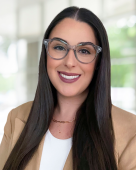
Dr. Vanessa Vitiello
Psychologist, Licensed Clinical Psychologist
I help individuals understand and shift patterns of perfectionism that contribute to anxiety, self-criticism, and burnout. Together, we work toward developing more flexible, compassionate ways of relating to yourself.
11 Years Experience
Online in Pittsburgh, PA (Online Only)
Perfectionism therapists in Pittsburgh, PA Statistics
Perfectionism therapists in Pittsburgh, PA average 13 years of experience and charge around $211 per session. 100% offer online sessions. The top treatment approaches are Cognitive Behavioral Therapy (CBT) (77%), Acceptance & Commitment Therapy (ACT) (59%), and Psychodynamic Therapy (36%).
Average years in practice
13 Years Experience
Average cost per session
$211
Accept insurance
41%
Offer sliding scale
30%
Gender ID
| 74% |
Female |
|
| 24% |
Male |
|
| 1% |
Gender Fluid |
|
| 1% |
Non-Binary |
|
Session Type
| 51% |
In Person and Online |
|
| 49% |
Online Only |
|
Top Treatment Approaches
| 77% | Cognitive Behavioral Therapy (CBT) |
| 59% | Acceptance & Commitment Therapy (ACT) |
| 36% | Psychodynamic Therapy |
| 30% | Dialectical Behavior Therapy (DBT) |
| 29% | Emotionally Focused Therapy (EFT) |
| 29% | Existential / Humanistic Therapy |
| 29% | Motivational Interviewing (MI) |
Ages Served
| 97% | Adult |
| 71% | Young Adult |
| 42% | Senior |
| 38% | Teen |
| 12% | Children |
Client Focus
| 48% | Women |
| 35% | LGBTQ+ |
| 28% | Men |
| 22% | Black / African American |
| 20% | Asian |