Social Isolation therapists in Bristol, TN
Browse Social Isolation therapists in Bristol, Tennessee. Compare credentials, specialties and therapeutic approach. Contact a therapist to learn more.
Social Isolation
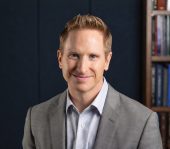
Dr. Michael J. Lee
Psychologist
I help individuals address social isolation and the loneliness that often accompanies it, easing distress while rebuilding pathways to connection. The work is depth-informed and collaborative: we make sense of what is happening at and beneath the surface—protective distance, discouragement, and meanings carried from past experience—and turn that understanding into workable steps. The aim is durable change—less withdrawal and resignation, more ease, choice, and a felt sense of belonging.
9 Years Experience
Online in Bristol, TN
Social Isolation
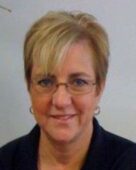
LAH Therapy Services
Marriage and Family Therapist, Ph.D., LMFT, CAS, EMDR-2
Especially at this time in our country, it is important to work through any issues related to social isolation. Social isolation is an issue that all of us are dealing with now. So many internal issues are triggered from social isolation.
37 Years Experience
Online in Bristol, TN (Online Only)

Social Isolation
Sharon Davern MSED, LMFT
Marriage and Family Therapist, Licensed in Minnesota, Tennessee
At this time of covid-19 we are all feeling very isolated. It is difficult to know how to bridge that. However we can work on ways to connect through trying time.
37 Years Experience
Online in Bristol, TN (Online Only)

Social Isolation
Emily Rowe
Psychologist, Psy.D.
Feeling disconnected or isolated can be overwhelming and lonely. I specialize in helping clients who are struggling with social isolation, whether due to anxiety, trauma, or major life changes. Together, we’ll explore the root causes of your isolation and work on building confidence, reconnecting with others, and fostering meaningful relationships. Through evidence-based therapies like CBT and ACT, I’ll support you in breaking the cycle of loneliness and creating a more fulfilling social life.
7 Years Experience
Online in Bristol, TN

Social Isolation
Jamie Suarez
Licensed Professional Counselor, LPC-MHSP, CSAT & AF-EMDR (Informed)
Social isolation is really common and therapy can help someone learn how to become connected and resolve their intimacy issues.
19 Years Experience
Online in Bristol, TN
Social Isolation therapists in Bristol, TN Statistics
Social Isolation therapists in Bristol, TN average 17 years of experience and charge around $205 per session. 100% offer online sessions. The top treatment approaches are Cognitive Behavioral Therapy (CBT) (71%), Acceptance & Commitment Therapy (ACT) (49%), and Existential / Humanistic Therapy (45%).
Average years in practice
17 Years Experience
Average cost per session
$205
Accept insurance
33%
Offer sliding scale
40%
Gender ID
| 60% |
Female |
|
| 36% |
Male |
|
| 2% |
Gender Fluid |
|
| 2% |
Non-Binary |
|
Session Type
| 56% |
In Person and Online |
|
| 44% |
Online Only |
|
Top Treatment Approaches
| 71% | Cognitive Behavioral Therapy (CBT) |
| 49% | Acceptance & Commitment Therapy (ACT) |
| 45% | Existential / Humanistic Therapy |
| 44% | Person-Centered Therapy (Rogerian) |
| 36% | Psychodynamic Therapy |
| 35% | Behavioral Therapy |
| 35% | Family Systems Therapy |
Ages Served
| 100% | Adult |
| 80% | Young Adult |
| 58% | Senior |
| 42% | Teen |
| 16% | Children |
Client Focus
| 58% | Women |
| 51% | LGBTQ+ |
| 47% | Men |
| 38% | Persons with Disabilities |
| 35% | Hispanic / Latino |