Perfectionism therapists in Pasco, WA
Browse Perfectionism therapists in Pasco, Washington. Compare credentials, specialties and therapeutic approach. Contact a therapist to learn more.
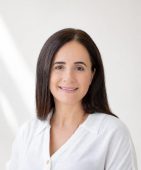
Perfectionism
Karen Nadel
Psychologist, Psy.D.
Perfectionism can be exhausting. The pressure to do everything exactly right, meet impossibly high standards, or avoid making mistakes can leave you feeling anxious, overwhelmed, or never quite good enough. In therapy, I help clients understand the beliefs and fears that drive perfectionism, while developing a more flexible and compassionate relationship with themselves. Together, we work on challenging all-or-nothing thinking, reducing self-criticism, and learning to tolerate uncertainty and mistakes without feeling that everything is at risk. Treatment may also include practical strategies for managing procrastination, overthinking, and the difficulty of feeling satisfied with accomplishments. The goal is not to give up your ambition or high standards, but to help you pursue what matters to you without being controlled by the need to be perfect.
19 Years Experience
Online in Pasco, WA
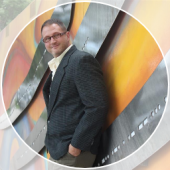
Perfectionism
Roderic Burks - Integrative Mental Health
Licensed Mental Health Counselor, MS, MS HSc, MA, LMHC, LPC
Perfectionism often arises from internalized expectations and self-critical patterns that create stress and self-doubt. I help clients explore the parts of themselves driving these tendencies and the underlying emotions behind them. Together, we work toward self-compassion, balance, and the ability to pursue goals without being ruled by fear or self-judgment.
26 Years Experience
Online in Pasco, WA (Online Only)
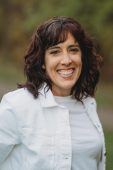
Perfectionism
Starlain Saldana
Psychologist, PhD, LP
While aspects of perfectionism have often been helpful for folks to achieve and get to where they are in life, it also has a shadow side rooted in fear of failure, shame, and anxiety. Additionally, our society often reinforces perfectionism in ways that make it difficult from which to un-tangle. Our work will hold the ways it has been helpful while also challenging you to gain comfort with 'good enough' approaches to life.
17 Years Experience
Online in Pasco, WA

Perfectionism
Lauren Chavis
Psychologist, PsyD, PMH-C
Perfectionism often looks successful from the outside while feeling exhausting on the inside. You may set incredibly high standards for yourself, struggle with mistakes, overthink decisions, or feel that what you accomplish is never quite enough. Therapy can help you loosen these patterns without giving up the ambition and values that are important to you.
16 Years Experience
Online in Pasco, WA
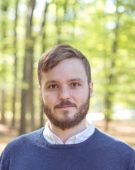
Perfectionism
Peter Klein
Therapist, BABCP Accredited, BACP Registered Member
I work with people whose perfectionism contributes to anxiety, stress, procrastination, self-criticism or feeling never good enough. Therapy focuses on developing healthier standards, greater self-compassion and a more balanced approach to achievement.
14 Years Experience
Online in Pasco, WA
Perfectionism therapists in Pasco, WA Statistics
Perfectionism therapists in Pasco, WA average 13 years of experience and charge around $207 per session. 100% offer online sessions. The top treatment approaches are Cognitive Behavioral Therapy (CBT) (73%), Acceptance & Commitment Therapy (ACT) (58%), and Psychodynamic Therapy (35%).
Average years in practice
13 Years Experience
Average cost per session
$207
Accept insurance
45%
Offer sliding scale
34%
Gender ID
| 67% |
Female |
|
| 27% |
Male |
|
| 3% |
Gender Fluid |
|
| 3% |
Non-Binary |
|
Session Type
| 52% |
Online Only |
|
| 48% |
In Person and Online |
|
Top Treatment Approaches
| 73% | Cognitive Behavioral Therapy (CBT) |
| 58% | Acceptance & Commitment Therapy (ACT) |
| 35% | Psychodynamic Therapy |
| 34% | Existential / Humanistic Therapy |
| 32% | Dialectical Behavior Therapy (DBT) |
| 32% | Motivational Interviewing (MI) |
| 32% | Person-Centered Therapy (Rogerian) |
Ages Served
| 97% | Adult |
| 75% | Young Adult |
| 41% | Senior |
| 39% | Teen |
| 11% | Children |
Client Focus
| 56% | Women |
| 39% | LGBTQ+ |
| 35% | Men |
| 28% | Asian |
| 27% | Black / African American |