OCD therapists in Seattle, WA
Browse OCD therapists in Seattle, Washington. Compare credentials, specialties and therapeutic approach. Contact a therapist to learn more.
OCD
Carolyne Mburu-Gerena
Psychiatric Nurse Practitioner, PMHNP-BC
Obsessive-compulsive disorder involves intrusive thoughts and repetitive behaviors that can significantly interfere with daily life. Treatment focuses on reducing the intensity of obsessions and compulsions while improving coping skills and emotional resilience. Medication management combined with therapeutic strategies can help individuals regain a greater sense of control.
6 Years Experience
Online in Seattle, WA (Online Only)
OCD
Dr. Janelle Louis
Psychiatric Nurse Practitioner, ND, PMHNP-BC
I'll help you understand the cycle of intrusive thoughts and compulsions and use evidence-based strategies to break it. Through our work together, I'll be there to listen and you'll learn how to challenge anxiety-driven patterns and regain a sense of control over your mind and life.
10 Years Experience
Online in Seattle, WA (Online Only)

OCD
Aaron Kapin
Somatic Experiencing Practitioner, SEP, LMT
If you have diagnosed obsessive compulsive disorder that's actively disrupting your life, make sure you find a specialist to work with.
If you have a specialist, or your tendencies are more mild (i.e. not an active threat to your health and well-being), let's talk. Somatic Experiencing has the potential to help you track with the physical aspect of a compulsion, that is, instead of thinking about what the urge is, you feel what the urge feels like.
It's hard to believe it till you experience it, but once you can find the physical aspect of a compulsion and learn to track it with some curiosity, it has the potential to change more quickly than addressing the specifics of the compulsion itself.
Again, this isn't a treatment for an OCD diagnosis, but it can be a great supplement to treatment, helping you feel safer and more settled in your body as you navigate this.
11 Years Experience
Online in Seattle, WA (Online Only)

OCD
Nicole Waters (Flowing Waters Counseling)
Counselor/Therapist, LMHC
Intrusive thoughts and repetitive behaviors can take over your time and peace of mind, making it feel like it is running your life. I use evidence-based approaches such as CBT (cognitive behavioral therapy), ERP (exposure & response prevention), HRT (habit reversal training) and mindfulness to help you manage obsessions, reduce compulsions, and regain a sense of control. Our work will focus on reducing anxiety and increasing self-trust, restoring balance in your life.
7 Years Experience
Online in Seattle, WA (Online Only)
OCD
Bethany Latimer
Licensed Professional Counselor, M.A., LMHC
If you need help with rumination, repetitive or intrusive thoughts, you’ve come to the right place. We will turn your thoughts into color and release blocked energy so that you can begin to feel the safety not thinking.
23 Years Experience
Online in Seattle, WA (Online Only)

OCD
Avanour Behavioral Health Clinics PLLC
Psychologist, PsyD, LMHC, LMHCA. LSAW. LSW
Avanour provides compassionate, evidence-based support for individuals experiencing obsessive thoughts, compulsive behaviors, persistent doubts, or anxiety that disrupts daily life. Our clinicians help clients understand the OCD cycle and use approaches such as cognitive behavioral therapy and exposure and response prevention, when appropriate, to reduce compulsions and respond differently to intrusive thoughts. Treatment focuses on improving functioning, building confidence, and creating greater freedom in everyday life.
0 Years Experience
Online in Seattle, WA (Online Only)

OCD
RelaxingOne.com Ned David Bratspis, PC
Marriage and Family Therapist, MA, LMFT
We are all imperfect and there is no perfect way to to deal with OCD.
35 Years Experience
Online in Seattle, WA (Online Only)

OCD
Dr. Michael Drane
Therapist, LMHC
I will use evidenced-based exposure therapy to help you break the cycle of OCD
10 Years Experience
Online in Seattle, WA (Online Only)
OCD
Brian McCormack (Connemara Counseling)
Counselor/Therapist, LPC-A/LMHCA
I provide assessment and treatment for obsessive-compulsive disorder (OCD), helping individuals manage intrusive thoughts and reduce compulsive behaviors that interfere with daily functioning. Using evidence-based approaches such as exposure and response prevention (ERP) and cognitive-behavioral therapy, I support clients in building tolerance to anxiety, challenging unhelpful thought patterns, and regaining a sense of control. My work focuses on reducing symptom severity, improving flexibility in thinking and behavior, and empowering clients to live more freely and confidently.
2 Years Experience
Online in Seattle, WA (Online Only)
OCD
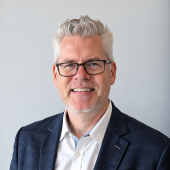
Gary Ashley
Therapist, LMHCA, Licensed Mental Health Counselor Associate
OCD can involve intrusive thoughts, repetitive checking, reassurance-seeking, mental rituals, or a strong need to feel certain before moving forward. I work with clients to notice how these patterns are affecting daily life, relationships, and decision-making, and to better understand what keeps the cycle going. My approach emphasizes curiosity, practical coping strategies, and helping you respond to distress with more awareness rather than automatically following the pattern.
3 Years Experience
In-Person Near Seattle, WA
Online in Seattle, WA
OCD therapists in Seattle, WA Statistics
OCD therapists in Seattle, WA average 15 years of experience and charge around $218 per session. 100% offer online sessions. The top treatment approaches are Cognitive Behavioral Therapy (CBT) (83%), Acceptance & Commitment Therapy (ACT) (56%), and Behavioral Therapy (39%).
Average years in practice
15 Years Experience
Average cost per session
$218
Accept insurance
39%
Offer sliding scale
36%
Gender ID
| 56% |
Female |
|
| 40% |
Male |
|
| 3% |
Non-Binary |
|
| 1% |
Gender Fluid |
|
Session Type
| 52% |
In Person and Online |
|
| 48% |
Online Only |
|
Top Treatment Approaches
| 83% | Cognitive Behavioral Therapy (CBT) |
| 56% | Acceptance & Commitment Therapy (ACT) |
| 39% | Behavioral Therapy |
| 31% | Dialectical Behavior Therapy (DBT) |
| 26% | Emotionally Focused Therapy (EFT) |
| 25% | Person-Centered Therapy (Rogerian) |
| 25% | Solution-Focused Brief Therapy (SFBT) |
Ages Served
| 99% | Adult |
| 77% | Young Adult |
| 51% | Teen |
| 47% | Senior |
| 22% | Children |
Client Focus
| 52% | Women |
| 42% | LGBTQ+ |
| 42% | Men |
| 32% | Military / Veterans |
| 27% | Black / African American |