Autism therapists in Kenosha, WI
Find experienced Autism therapists in Kenosha, Wisconsin who provide Autism testing, evaluations, and therapy. Our directory features detailed therapist profiles so you can compare qualifications, specialties, and treatment approaches to find the provider that’s right for you.

Autism
Veena Tripathi Ahuja, MD
Psychiatrist, M.D.
Dr. Ahuja has extensive experience in diagnosis and treatment of high functioning adult women with ADHD and/or Autism.
18 Years Experience
Online in Kenosha, WI (Online Only)

Autism
Teona Amble
Psychologist, Ph.D., LP
I create safe spaces for individuals with Autism to be seen and heard. I offer autism evaluations for children, teens, and adults. I guide you in building social skills, communication skills, and coping with the experience of living with autism. Let's build on your strengths and grow a toolbox for managing your neurodiversity!
15 Years Experience
Online in Kenosha, WI (Online Only)

Autism
Center for Cognitive Behavioral Therapy and Mindfulness
Psychologist, PhD, JD
Not all therapists provide evidence-based therapies, and not all therapists who claim to provide CBT are specially trained in this approach. The Center for Cognitive Behavioral Therapy and Mindfulness team consists of doctoral-level clinicians who are highly trained experts in cognitive behavioral therapies.
We are also trained in tailoring your treatment to your individual needs, so you can be sure you are receiving highly individualized care while also benefiting from the techniques that are proven to work.
5 Years Experience
Online in Kenosha, WI (Online Only)
Autism
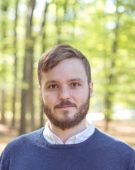
Peter Klein
Therapist, BABCP Accredited, BACP Registered Member
I offer supportive, individualised therapy for people with autism or Asperger’s who may experience anxiety, stress, self-esteem difficulties or challenges adapting to life demands. Therapy focuses on understanding personal strengths, managing difficulties and improving wellbeing.
14 Years Experience
Online in Kenosha, WI
Autism
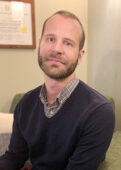
Jonathan Schmalz
Psychologist, PhD, HSP-P
Many autistic adults struggle to have connections with others in ways they would like. Moreover, social situations may feel downright confusing and anxiety-provoking and intimate relationships may seem impossible. In the professional sphere, you may struggle to keep steady employment, often finding that your ways of communicating with co-workers and bosses make it hard to feel you belong or that your talents are appreciated. I take an affirming, autism-informed approach in helping autistic adults to better appreciate themselves and thrive in their relationships and life pursuits.
17 Years Experience
Online in Kenosha, WI
Autism therapists in Kenosha, WI Statistics
Autism therapists in Kenosha, WI average 16 years of experience and charge around $210 per session. 100% offer online sessions. The top treatment approaches are Cognitive Behavioral Therapy (CBT) (60%), Acceptance & Commitment Therapy (ACT) (44%), and Behavioral Therapy (38%).
Average years in practice
16 Years Experience
Average cost per session
$210
Accept insurance
33%
Offer sliding scale
29%
Gender ID
| 56% |
Female |
|
| 36% |
Male |
|
| 5% |
Non-Binary |
|
| 3% |
Gender Fluid |
|
Session Type
| 65% |
In Person and Online |
|
| 35% |
Online Only |
|
Top Treatment Approaches
| 60% | Cognitive Behavioral Therapy (CBT) |
| 44% | Acceptance & Commitment Therapy (ACT) |
| 38% | Behavioral Therapy |
| 27% | Dialectical Behavior Therapy (DBT) |
| 27% | Family Systems Therapy |
| 27% | Multicultural Therapy |
| 25% | Emotionally Focused Therapy (EFT) |
Ages Served
| 94% | Adult |
| 75% | Young Adult |
| 60% | Teen |
| 48% | Senior |
| 46% | Children |
Client Focus
| 56% | Women |
| 50% | LGBTQ+ |
| 46% | Men |
| 38% | Persons with Disabilities |
| 35% | Black / African American |