Autism therapists in Madison, WI
Find experienced Autism therapists in Madison, Wisconsin who provide Autism testing, evaluations, and therapy. Our directory features detailed therapist profiles so you can compare qualifications, specialties, and treatment approaches to find the provider that’s right for you.

Autism
Peter C. Jackson, PsyD
Psychologist, PsyD
Navigating a neurotypical world when you're on the Autism Spectrum (including Asperger's Syndrome) can present unique hurdles. I provide a compassionate and affirming environment where we can explore your experiences without judgment. Our sessions focus on fostering self-acceptance, enhancing social communication skills, managing sensory input, and developing robust coping mechanisms for stress and overwhelm. Together, we'll strengthen your capacity for connection and empower you to leverage your distinct perspective to build a fulfilling life that honors your authentic individuality.
33 Years Experience
In-Person in Madison, WI 53705
Online in Madison, WI
Autism
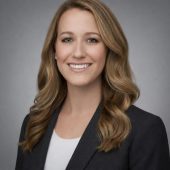
Heinig Health and Wellness Counseling
Psychologist, Ph.D. Clinical Psychology, M.S. Health Psychology, M.A. Clinical Psychology, PSYPACT Providers
Specialized support for individuals with Autism Spectrum Disorder (ASD) focuses on enhancing emotional well-being, social communication, self-advocacy, and daily functioning. Using a strengths-based and individualized approach, treatment is tailored to each person's unique needs, goals, and experiences. Services may address emotional regulation, anxiety, relationships, life transitions, executive functioning, and skill development while fostering confidence, independence, and overall quality of life.
7 Years Experience
Online in Madison, WI (Online Only)
Autism
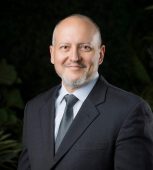
Alexey Tolchinsky
Psychologist, Psy.D.
Psychotherapy tailored for intellectually high-performing neurodiverse individuals navigating performance-related stress, burnout, sensory overload, and social challenges.
11 Years Experience
Online in Madison, WI (Online Only)

Autism
Dr. Elizabeth Coldren
Psychologist, PSYD, PSYPACT
Many of the adults I work with are thoughtful, capable professionals and students, often in detail‑oriented or technical roles, who have spent years feeling “different” without having language for why. You may be wondering if you are autistic, have a recent diagnosis, or have known for a long time but never had support in making sense of it. From the outside, you may meet or exceed expectations and keep up with work or school. Inside, it can feel like constant effort: managing sensory overload, masking to fit in, replaying conversations, or needing significant time alone to recover from social or emotional strain.
Many adults I see describe a lifelong sense of being out of step with others, feeling misunderstood, or being told they are “too sensitive,” “too intense,” or “too much.” You may have built a life that works on paper but still feels exhausting to maintain. Masking, perfectionism, and trying to meet unspoken social rules can take a real toll on your nervous system and sense of self.
In our work, we approach autism and other forms of neurodivergence through a neurodiversity‑affirming, trauma‑informed lens. We look at how your brain and body naturally process the world, how past experiences have shaped your coping strategies, and what helps you feel more regulated and authentic. The focus is not on changing who you are, but on understanding your wiring, reducing the internal cost of masking, and creating a life that supports your nervous system rather than straining it. This is core to my practice, and it’s work I care about deeply.
26 Years Experience
Online in Madison, WI

Autism
Be BOLD Psychology and Consulting
Psychologist, Ph.D
We offer neurodivergent-affirming therapy and evaluations for Autistic adults and teens, with a focus on self-understanding, feeling safe unmasking, working through Autistic burnout, and better understanding your own sensory needs. Whether you’re exploring an Autism diagnosis for the first time or looking for a therapist to assist with the challenges of navigating a neurotypical world, we would be glad to support. We offer Autistic-affirming individual therapy, relationship therapy, group therapy, and evaluation services!
8 Years Experience
Online in Madison, WI
Madison is home to the University of Wisconsin — one of the top research universities in the country — and serves as Wisconsin's state capital, giving it an unusually high concentration of academics, researchers, and government professionals who collectively represent one of the most therapy-positive demographics in the Midwest. The city's progressive political culture and high rate of higher education strongly correlate with high therapy utilization and acceptance across multiple demographics. UW Health and SSM Health St. Mary's Hospital provide institutional mental health resources, with a well-developed private practice community serving Willy Street, Atwood, and the Near East Side. Madison's growing Latino, Hmong, and East African communities are increasing demand for multilingual and culturally grounded therapists.
Autism therapists in Madison, WI Statistics
Autism therapists in Madison, WI average 16 years of experience and charge around $217 per session. 100% offer online sessions. The top treatment approaches are Cognitive Behavioral Therapy (CBT) (59%), Acceptance & Commitment Therapy (ACT) (41%), and Behavioral Therapy (30%).
Average years in practice
16 Years Experience
Average cost per session
$217
Accept insurance
27%
Offer sliding scale
27%
Gender ID
| 59% |
Female |
|
| 31% |
Male |
|
| 6% |
Non-Binary |
|
| 4% |
Gender Fluid |
|
Session Type
| 64% |
In Person and Online |
|
| 36% |
Online Only |
|
Top Treatment Approaches
| 59% | Cognitive Behavioral Therapy (CBT) |
| 41% | Acceptance & Commitment Therapy (ACT) |
| 30% | Behavioral Therapy |
| 25% | Dialectical Behavior Therapy (DBT) |
| 25% | Multicultural Therapy |
| 25% | Psychodynamic Therapy |
| 23% | Family Systems Therapy |
Ages Served
| 98% | Adult |
| 80% | Young Adult |
| 57% | Teen |
| 41% | Children |
| 41% | Senior |
Client Focus
| 55% | Women |
| 48% | LGBTQ+ |
| 41% | Men |
| 36% | Persons with Disabilities |
| 30% | Black / African American |