Dissociative Disorders therapists in Penticton, BC
Browse Dissociative Disorders therapists in Penticton, British Columbia, Canada. Compare credentials, specialties and therapeutic approach. Contact a therapist to learn more.
View nearby cities

Dissociation
Trickett Psychotherapy & Counselling
Registered Psychotherapist, Registered Psychotherapists , Counsellors
Dissociation is a coping response that can develop after overwhelming or traumatic experiences. You may feel disconnected from your thoughts, emotions, body, memories, or surroundings, as though you're on autopilot or watching life from a distance. These experiences can be confusing and isolating, but healing is possible. At Trickett Psychotherapy & Counselling, we provide compassionate, trauma-informed, evidence-based therapy to help adults better understand dissociation, improve emotional regulation, and feel more grounded and connected in their daily lives. We offer therapy for dissociative disorders in Guelph and secure online therapy across Ontario. Contact us today to book your consultation and begin your journey toward healing and stability.
18 Years Experience
Online in Penticton, BC
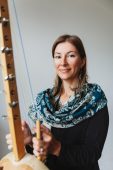
Dissociation
Masha Andreeva
Registered Psychotherapist, HonBA, DTATI, RP
Art therapy can provide a grounding and integrative approach to working with dissociative disorders by helping you gently reconnect with yourself in a safe and supportive way. Through creative expression, you can externalize internal experiences, explore fragmented parts of the self, and develop a stronger sense of presence and embodiment. The art-making process allows for nonverbal communication, making it an effective tool for processing emotions and experiences that may feel difficult to articulate. My approach incorporates mindfulness and body-based practices to support reconnection, self-awareness, and a greater sense of stability and integration.
20 Years Experience
Online in Penticton, BC (Online Only)

Dissociation
Your Story Counselling Services
Registered Psychotherapist, MSc, CCC, RMFT, RSW, RP
Struggling with staying present? with feeling safe and in the moment? Our therapists can help you identify the roots of your struggles and create a custom treatment plan to overcome them. Head over to our website to learn more!
10 Years Experience
Online in Penticton, BC

Dissociation
Bonny Kaman Li
Counsellor/Therapist, Registered Psychotherapist (Qualifying), MACP
Therapy for dissociative experiences helps clients understand and stabilize disconnection from thoughts, feelings, or sense of self, often linked to trauma. Treatment moves at a careful pace that prioritizes safety and grounding.
12 Years Experience
Online in Penticton, BC

Dissociation
Natalie V. Bochenska
Registered Psychotherapist, RP, RCAT, Certified Somatic Practitioner
Dissociation can feel like disconnecting from your emotions, body, memories, or sense of self, often as a way of coping with overwhelming experiences. I use a gentle, trauma-informed approach that incorporates somatic awareness and parts work to help you understand these protective responses without forcing difficult experiences to surface. Our work emphasizes safety, stabilization, and gradually developing a greater sense of connection with yourself.
6 Years Experience
Online in Penticton, BC (Online Only)
Dissociative Disorders therapists in Penticton, BC Statistics
Dissociative Disorders therapists in Penticton, BC average 12 years of experience and charge around $159 per session. 100% offer online sessions. The top treatment approaches are Somatic Therapy (67%), Emotionally Focused Therapy (EFT) (63%), and Internal Family Systems (IFS) (63%).
Average years in practice
12 Years Experience
Average cost per session
$159
Accept insurance
77%
Offer sliding scale
53%
Gender ID
| 69% |
Female |
|
| 25% |
Male |
|
| 3% |
Gender Fluid |
|
| 3% |
Non-Binary |
|
Session Type
| 57% |
In Person and Online |
|
| 43% |
Online Only |
|
Top Treatment Approaches
| 67% | Somatic Therapy |
| 63% | Emotionally Focused Therapy (EFT) |
| 63% | Internal Family Systems (IFS) |
| 63% | Person-Centered Therapy (Rogerian) |
| 60% | Cognitive Behavioral Therapy (CBT) |
| 60% | Dialectical Behavior Therapy (DBT) |
| 60% | Narrative Therapy |
Ages Served
| 100% | Adult |
| 77% | Young Adult |
| 67% | Teen |
| 63% | Senior |
| 30% | Children |
Client Focus
| 73% | Women |
| 63% | Men |
| 53% | LGBTQ+ |
| 53% | Persons with Disabilities |
| 43% | Asian |