Emotional Abuse therapists in Fremont, CA
Browse Emotional Abuse therapists in Fremont, California. Compare credentials, specialties and therapeutic approach. Contact a therapist to learn more.

Emotional Abuse
Mary Knoblock, DNH
Hypnotherapist, DNH, RTT Practitioner, Hypnotist, Holistic Naturopath Practitioner, Spiritual Counselor
For emotional abuse, we choose the method that works best for you and create a safe a emotionally secure environment to help you process through the effects of emotional abuse. Many of the methods I use can help you find your inner calm, re-center and increase your self esteem and self worth.
11 Years Experience
Online in Fremont, CA (Online Only)
Emotional Abuse
J. Rosalyn Diehl
Licensed Mental Health Counselor, MA, LMHC, LPPC, LPC
Emotional abuse, especially narcissistic abuse, can be difficult to recognize and often leaves lasting effects on self-esteem, trust, and relationship patterns. These experiences may involve gaslighting, manipulation, chronic criticism, emotional invalidation, or feeling as though your needs and feelings are consistently minimized. Over time, you may find yourself questioning your perceptions, struggling with boundaries, or feeling unsure of your own needs. I help clients process these experiences, rebuild confidence and self-worth, and develop healthier, more secure ways of relating to themselves and others.
12 Years Experience
Online in Fremont, CA (Online Only)
Emotional Abuse
Russell Wilkie
Marriage and Family Therapist, MFT
The subtlety of emotional abuse is sometimes hard to see. Having studied it thoroughly, I know it very well and see it clearly and I coach others how to see it sooner. Getting out of a negative relationship, or the cycle of not seeing it, takes a good deal of understanding the nuances of what it is and how it happens. I can help you learn to see it earlier and get yourself out of bad situations sooner and set better boundaries so you don't get abused in the future.
34 Years Experience
Online in Fremont, CA (Online Only)
Emotional Abuse
David Sudyka
Marriage and Family Therapist, Marriage & Family Therapist, LMFT, MA
Experiencing emotional abuse can leave you feeling confused, drained, and unsure of your own thoughts or feelings. It can impact your self esteem and the way you relate to others. In therapy we will process what you have been through, rebuild your sense of self, and work on setting healthier boundaries. The goal is to help you feel more confident, more secure, and more in control of your relationships.
4 Years Experience
Online in Fremont, CA (Online Only)

Emotional Abuse
Mia Turner
Therapist, MA, RYT, ASDCS, LMFT, NPT-C, CMNCS, CMIP
Healing support for survivors of emotionally abusive, manipulative, coercive, controlling, narcissistic, psychologically harmful, or chronically invalidating relationships. These experiences often leave impacts that extend far beyond the relationship itself, shaping self-trust, identity, nervous system functioning, boundaries, self-worth, and one's relationship with reality.
Emotional abuse can gradually erode confidence in your own thoughts, feelings, perceptions, memories, instincts, and lived experiences. It may show up as chronic self-doubt, people-pleasing, hypervigilance, walking on eggshells, perfectionism, difficulty trusting yourself, over-explaining, self-silencing, emotional overwhelm, dissociation, chronic guilt, difficulty identifying your needs, or feeling disconnected from your own voice and inner knowing. Many of these responses reflect the intelligence of a nervous system that learned to adapt to unpredictability, criticism, manipulation, invalidation, coercion, or emotional unsafety.
This work explores not only what happened within the relationship, but also the ways those experiences may continue to live within the body, nervous system, beliefs, relationships, and sense of self. Attention is given to the influence of attachment experiences, family systems, culture, gender, spirituality, trauma, internalized narratives, and the survival strategies that may have helped you navigate difficult relational environments. Particular care is given to understanding how emotional abuse intersects with neurodivergence, disability, chronic illness, race, culture, sexuality, and other identities that may have shaped vulnerability, coping, and meaning-making.
My approach integrates EMDR, somatic therapy, mindfulness, polyvagal-informed practices, attachment-focused therapy, parts work and Internal Family Systems (IFS), neuropsychotherapy, expressive arts, narrative therapy, and liberation-oriented healing. Therapy may include exploring patterns of protection, reconnecting with bodily wisdom and intuition, strengthening boundaries, processing traumatic experiences, understanding attachment wounds, reclaiming agency, and developing a more compassionate relationship with yourself.
Healing is not approached as becoming less sensitive, more agreeable, or simply "moving on." It is often about reclaiming trust in your own experiences, reconnecting with your body's signals, honoring your needs and emotions, unlearning harmful messages you may have internalized, and creating enough safety for your voice, boundaries, values, and authentic self to take up space again. The goal is not simply to recover from what happened, but to cultivate relationships with yourself and others that are grounded in mutual respect, authenticity, consent, reciprocity, and care.
10 Years Experience
Online in Fremont, CA (Online Only)

Emotional Abuse
Nes Pinar Psychotherapy
Marriage and Family Therapist, LMFT
I help people who have experienced emotional abuse reconnect with their own voice, needs, and sense of worth after long periods of being dismissed, controlled, or minimized. Together, we gently untangle the impact of those dynamics—shame, self‑doubt, confusion, and the lingering pull of old patterns—so you can understand what happened with clarity and compassion. My approach is steady, relational, and deeply affirming, supporting you as you rebuild trust in yourself and create relationships that feel safe, mutual, and respectful.
15 Years Experience
In-Person Near Fremont, CA
Online in Fremont, CA
Emotional Abuse
Sara Denman
Psychologist, Psy.D
Someone who has suffered emotional abuse often feel shame and isolation. Processing the abuse with a trained therapist helps the pain loose its potency. Emotional abuse comes in many forms and sometimes it is even difficult to understand what was abuse. Therapy can bring insight and coping skills to work through the abuse.
27 Years Experience
In-Person Near Fremont, CA
Online in Fremont, CA

Emotional Abuse
Lisa Abdilova Andresen
Licensed Clinical Social Worker, LCSW
What if it's precisely because you're smart, caring, and accommodating that you've been targeted by manipulative people? It's not your fault that people can be untrustworthy, self-serving, harsh, and insensitive.
Narcissists and Sociopaths represent 2% of the population, and they often have children. Growing up with highly critical, emotionally unavailable parents, who may have been caught up in their own mental health challenges, addictions, or abusive relationships can be considered traumatic.
People who've survived narcissistic abuse, upbringings without empathy, or a relentless break-down of your ego can still be successful high-achievers and entrepreneurs. Even after trying everything you can to keep the peace, please them, what if you still feel unsupported by your loved ones?
I specialize in the links between trauma and achievement, as well as family estrangement. Gradually, you'll learn that your preferences and needs matter too. We'll identify your triggers, practice self-regulation strategies, and develop tools for you to connect with your self-worth, establish a sense of safety, and identify trustworthy people.
9 Years Experience
In-Person Near Fremont, CA
Online in Fremont, CA

Emotional Abuse
Jesse Whittle-Utter
Marriage and Family Therapist, M.A., Licensed Marriage and Family Therapist #79783
Emotional abuse leaves scars, but because they are invisible it's easy to not take the abuse seriously or know how to address it. I help you identify abuse and develop strategies for self-care.
18 Years Experience
In-Person Near Fremont, CA
Online in Fremont, CA
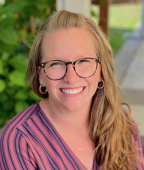
Emotional Abuse
Samantha Schaefer
Licensed Clinical Social Worker, LCSW, PMH-C
Emotional abuse can be difficult to name, especially when it’s woven into long-term relationships or family patterns. In therapy, we’ll work to untangle manipulation, rebuild trust in your own perceptions, and help you regain confidence, boundaries, and peace of mind.
10 Years Experience
In-Person Near Fremont, CA
Online in Fremont, CA
Fremont is one of the most ethnically diverse cities in the United States and a key node in the Bay Area's technology and manufacturing ecosystem — home to Tesla's factory and one of the country's most significant Afghan diaspora communities. The city's large Afghan, South Asian (particularly Indian and Pakistani), and Chinese communities create strong demand for multilingual and culturally affirming therapists who can work with immigrant family systems, bicultural identity, and the specific cultural contexts of help-seeking in these communities. Washington Hospital Healthcare System provides institutional mental health resources alongside a growing private practice community. Fremont's high cost of living — even by Bay Area standards — and its proximity to Silicon Valley create occupational and economic pressures that shape a significant part of its therapy demand.
Emotional Abuse therapists in Fremont, CA Statistics
Emotional Abuse therapists in Fremont, CA average 15 years of experience and charge around $211 per session. 99% offer online sessions. The top treatment approaches are Cognitive Behavioral Therapy (CBT) (62%), Emotionally Focused Therapy (EFT) (47%), and Eye Movement Desensitization and Reprocessing (EMDR) (44%).
Average years in practice
15 Years Experience
Average cost per session
$211
Accept insurance
36%
Offer sliding scale
49%
Gender ID
| 65% |
Female |
|
| 26% |
Male |
|
| 5% |
Non-Binary |
|
| 4% |
Gender Fluid |
|
Session Type
| 57% |
In Person and Online |
|
| 42% |
Online Only |
|
| 1% |
In Person Only |
|
Top Treatment Approaches
| 62% | Cognitive Behavioral Therapy (CBT) |
| 47% | Emotionally Focused Therapy (EFT) |
| 44% | Eye Movement Desensitization and Reprocessing (EMDR) |
| 44% | Person-Centered Therapy (Rogerian) |
| 42% | Psychodynamic Therapy |
| 39% | Existential / Humanistic Therapy |
| 39% | Solution-Focused Brief Therapy (SFBT) |
Ages Served
| 100% | Adult |
| 69% | Young Adult |
| 59% | Senior |
| 52% | Teen |
| 33% | Children |
Client Focus
| 72% | Women |
| 53% | LGBTQ+ |
| 48% | Men |
| 39% | Hispanic / Latino |
| 35% | Military / Veterans |