Emotional Abuse therapists in Monterey, CA
Browse Emotional Abuse therapists in Monterey, California. Compare credentials, specialties and therapeutic approach. Contact a therapist to learn more.

Emotional Abuse
Mind Study Center
Counselor/Therapist, LMFT, M.D., Ph.D.,
At Mind Study Center, we offer specialized therapy for individuals recovering from emotional abuse. Our compassionate, trauma-informed approach helps clients heal from the psychological impact of manipulation, control, and emotional harm. Through therapy, we support individuals in rebuilding self-esteem, setting healthy boundaries, and developing healthier relationships. Our goal is to empower survivors to regain control of their lives, heal emotionally, and move forward with confidence and resilience.
10 Years Experience
Online in Monterey, CA

Emotional Abuse
Eve Angela Fritsch
Marriage and Family Therapist, M.A.
Emotional abuse often happens so gradually that you do not even realize what is happening until you have lost confidence in yourself. You may find yourself second-guessing your thoughts, walking on eggshells, or wondering if you are the problem. Therapy can help you understand what you have experienced, rebuild your sense of self, and move forward with clarity and confidence.
9 Years Experience
Online in Monterey, CA (Online Only)
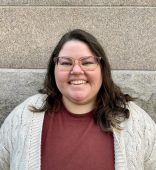
Emotional Abuse
Chelsea Sutter
Marriage and Family Therapist, MA, LMFT
I provide therapy for individuals who have experienced emotional abuse, gaslighting, parentification, or chronic criticism. Our work will include understanding how these experiences have shaped your sense of self and relationships, reconnecting with your mind and body, and learning to recognize and honor your emotional needs. Using an Internal Family Systems (IFS)-informed and Acceptance and Commitment Therapy (ACT) approach, we’ll work toward rebuilding self-trust and creating relationships and a life that align with your values.
7 Years Experience
Online in Monterey, CA

Emotional Abuse
Shayda Ewalt
Marriage and Family Therapist, LMFT
Emotional abuse can be subtle yet deeply damaging. Gaslighting, manipulation, and chronic criticism can distort your sense of reality and affect your self-trust. In therapy, we untangle these experiences with care, validated your truth, and help you rebuild a strong internal foundation grounded in clarity and self-worth.
10 Years Experience
Online in Monterey, CA (Online Only)
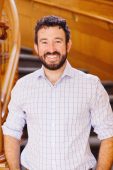
Emotional Abuse
Matthew Bishop
Marriage and Family Therapist, Licensed Marriage and Family Therapist, Doctorate in Behavioral Health Leadership
Emotional abuse leaves scars that aren’t visible but are deeply felt. Therapy can help clients rebuild trust in themselves, understand what healthy love looks like, and develop tools to recognize and protect their boundaries in the future.
10 Years Experience
Online in Monterey, CA
Emotional Abuse therapists in Monterey, CA Statistics
Emotional Abuse therapists in Monterey, CA average 15 years of experience and charge around $211 per session. 100% offer online sessions. The top treatment approaches are Cognitive Behavioral Therapy (CBT) (62%), Emotionally Focused Therapy (EFT) (48%), and Person-Centered Therapy (Rogerian) (42%).
Average years in practice
15 Years Experience
Average cost per session
$211
Accept insurance
36%
Offer sliding scale
48%
Gender ID
| 65% |
Female |
|
| 27% |
Male |
|
| 4% |
Gender Fluid |
|
| 4% |
Non-Binary |
|
Session Type
| 58% |
In Person and Online |
|
| 42% |
Online Only |
|
Top Treatment Approaches
| 62% | Cognitive Behavioral Therapy (CBT) |
| 48% | Emotionally Focused Therapy (EFT) |
| 42% | Person-Centered Therapy (Rogerian) |
| 41% | Psychodynamic Therapy |
| 39% | Existential / Humanistic Therapy |
| 38% | Eye Movement Desensitization and Reprocessing (EMDR) |
| 38% | Somatic Therapy |
Ages Served
| 100% | Adult |
| 71% | Young Adult |
| 61% | Senior |
| 53% | Teen |
| 31% | Children |
Client Focus
| 73% | Women |
| 52% | LGBTQ+ |
| 49% | Men |
| 38% | Hispanic / Latino |
| 34% | Military / Veterans |