Autism therapists in Ripon, CA
Find experienced Autism therapists in Ripon, California who provide Autism testing, evaluations, and therapy. Our directory features detailed therapist profiles so you can compare qualifications, specialties, and treatment approaches to find the provider that’s right for you.
View nearby cities

Autism
Growth and Change Counseling
Marriage and Family Therapist, LMFT
All mental health problems are rooted in the break down in our relationships. The biggest struggle for people on the autistic spectrum is the struggle of relational intelligence, yearning to connect and yet lacking the ability or relational intelligence to know how to connect. We partner with parents and their children to strengthen the relational bounds and support the family in becoming the reference point for your children to grow socially and emotionally.
8 Years Experience
Online in Ripon, CA (Online Only)
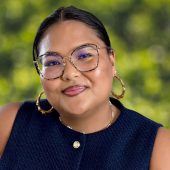
Autism
Abigail (Abi) Zarate Ramsay
Pre-Licensed Professional, Marriage and Family Therapist Trainee, Professional Clinical Counselor Trainee
I provide neurodivergent-affirming therapy for autistic adults, focusing on masking fatigue, sensory overload, burnout, and relationships so you can feel more understood and supported.
0 Years Experience
Online in Ripon, CA (Online Only)

Autism
Kayzim Suárez-Reyes
Psychologist, PhD
My practice holds a significant, neurodiversity-affirming specialization in supporting individuals on the Autism Spectrum Disorder (ASD). I understand that autism is a difference in how the brain processes information, not a deficit. I help clients navigate the unique challenges of sensory processing, social communication, and intense special interests, moving beyond masking and toward authentic self-expression. Whether you are seeking a late-in-life diagnosis, or need support managing overwhelm and building meaningful connections, I offer a compassionate, evidence-based approach that respects your unique strengths and needs. I also have close loved ones with high functioning autism!
19 Years Experience
Online in Ripon, CA (Online Only)

Autism
Higher Sights Counseling
Counselor/Therapist
We have a staff of psychotherapists and med prescribers that work with clients who have autism/neurodivergence. We offer CBT, DBT, EMDR, IFS (to name a few treatment modalities) and medication in addition to many problem-solving therapies to help you learn new coping skills to improve your life.
16 Years Experience
Online in Ripon, CA

Autism
Stephanie Brumfield
Therapist, LCSW
In my therapeutic approach, autism is embraced as a profound spiritual journey towards awakening to one's authentic self and the process of unmasking. This perspective honors the unique way autistic individuals experience the world, focusing on the deep self-discovery that comes from navigating life with an innate depth of feeling, heightened sensitivity, and a distinct way of processing experiences. By viewing autism through this lens, we celebrate the strengths, creativity, and insights that being autistic brings, shifting away from pathologizing to understanding autism as an integral part of one's identity and spiritual path.
The core of our work together is to empower autistic individuals to live authentically, leveraging their unique gifts to lead a life of fulfillment and connection. This journey involves developing strategies to manage sensory sensitivities, enhance communication, and foster meaningful relationships, all while reducing feelings of overwhelm and self-criticism. Central to this process is the unmasking of one’s true identity, shedding societal expectations and labels to reveal the authentic self beneath.
Seeing autism as a spiritual journey of awakening and unmasking allows us to support individuals in embracing their neurodiversity as a source of healing, strength, and profound personal growth. Together, we explore the richness of the autistic experience, fostering a deep sense of belonging, self-acceptance, and joy in the journey towards self-discovery and spiritual fulfillment. This approach not only affirms the value and beauty of the autistic way of being but also highlights the importance of celebrating each individual's journey towards embracing their authentic self.
8 Years Experience
Online in Ripon, CA (Online Only)
Autism therapists in Ripon, CA Statistics
Autism therapists in Ripon, CA average 14 years of experience and charge around $229 per session. 100% offer online sessions. The top treatment approaches are Cognitive Behavioral Therapy (CBT) (63%), Family Systems Therapy (43%), and Psychodynamic Therapy (41%).
Average years in practice
14 Years Experience
Average cost per session
$229
Accept insurance
45%
Offer sliding scale
43%
Gender ID
| 60% |
Female |
|
| 25% |
Male |
|
| 9% |
Non-Binary |
|
| 6% |
Gender Fluid |
|
Session Type
| 63% |
In Person and Online |
|
| 37% |
Online Only |
|
Top Treatment Approaches
| 63% | Cognitive Behavioral Therapy (CBT) |
| 43% | Family Systems Therapy |
| 41% | Psychodynamic Therapy |
| 41% | Relational Psychotherapy |
| 41% | Solution-Focused Brief Therapy (SFBT) |
| 39% | Internal Family Systems (IFS) |
| 37% | Eye Movement Desensitization and Reprocessing (EMDR) |
Ages Served
| 100% | Adult |
| 75% | Young Adult |
| 59% | Teen |
| 57% | Senior |
| 45% | Children |
Client Focus
| 61% | LGBTQ+ |
| 61% | Women |
| 47% | Persons with Disabilities |
| 37% | Black / African American |
| 37% | Men |