Emotional Abuse therapists in Santa Barbara, CA
Browse Emotional Abuse therapists in Santa Barbara, California. Compare credentials, specialties and therapeutic approach. Contact a therapist to learn more.
View nearby cities
Emotional Abuse
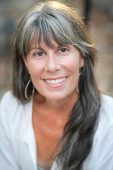
Soma Aloia, SoulWork Somatics, Somatic Counseling & Bodywork
Counselor/Therapist, MS, CCST, HE, LMT
The effects of emotional abuse often linger long after the relationship has ended. Therapy offers a safe place to rebuild trust in yourself, restore your inner voice, and move beyond patterns shaped by fear, criticism, or control.
Empowerment and awareness, and practicing inner safety with resourcing to support safety with your unique pacing, and trust in your intuitive body cues.
31 Years Experience
In-Person in Santa Barbara, CA
Online in Santa Barbara, CA

Emotional Abuse
Bruce Howard
Psychologist, PhD
Please see website
43 Years Experience
In-Person in Santa Barbara, CA 93101
Online in Santa Barbara, CA

Emotional Abuse
Erin Powers
Counselor/Therapist, APCC 9590
I have experience working with clients who have dealt with emotional abuse. I utilize various modalities to support you in overcoming the negative effects/trauma of such experiences.
6 Years Experience
Online in Santa Barbara, CA (Online Only)

Emotional Abuse
Whole Wellness Therapy
Marriage and Family Therapist, MA, LMFT
Emotional abuse can take such a toll on a persons life, self-esteem, and overall wellbeing. Emotionally abusive relationships can cause a person to question themselves, and everyone around them, which can be extremely isolating, lonely, and scary. Emotional wounds tend to cut even deeper than physical wounds can. It is so important when in an emotionally abusive relationship, or in recovery of one, that we have an ample amount of support, encouragement and perspective on the situation. Our therapists can offer a variety of support to clients in and out of emotionally abusive relationships, and help uncover the root of those who are drawn to these types of relationships, and to those who find themselves contributing to creating them.
8 Years Experience
Online in Santa Barbara, CA

Emotional Abuse
Marley Cote
Marriage and Family Therapist, Licensed Marriage & Family Therapist, MS
Emotional abuse and neglect are often not given the weight they deserve. For many of my clients who have endured several forms of abuse, it is oftentimes the emotional abuse that stays with them for years. Emotional abuse can cut the sense of yourself, your self-esteem, and your self-worth. The impact of this is significant, often limiting career opportunities, relationships with self and others, and emotional experiences. If you have survived emotional abuse and/or neglect, it is possible to finally heal these wounds and find yourself again.
7 Years Experience
Online in Santa Barbara, CA
Emotional Abuse therapists in Santa Barbara, CA Statistics
Emotional Abuse therapists in Santa Barbara, CA average 14 years of experience and charge around $214 per session. 100% offer online sessions. The top treatment approaches are Cognitive Behavioral Therapy (CBT) (61%), Emotionally Focused Therapy (EFT) (48%), and Eye Movement Desensitization and Reprocessing (EMDR) (42%).
Average years in practice
14 Years Experience
Average cost per session
$214
Accept insurance
36%
Offer sliding scale
51%
Gender ID
| 65% |
Female |
|
| 26% |
Male |
|
| 5% |
Non-Binary |
|
| 4% |
Gender Fluid |
|
Session Type
| 58% |
In Person and Online |
|
| 42% |
Online Only |
|
Top Treatment Approaches
| 61% | Cognitive Behavioral Therapy (CBT) |
| 48% | Emotionally Focused Therapy (EFT) |
| 42% | Eye Movement Desensitization and Reprocessing (EMDR) |
| 42% | Person-Centered Therapy (Rogerian) |
| 41% | Psychodynamic Therapy |
| 39% | Solution-Focused Brief Therapy (SFBT) |
| 37% | Existential / Humanistic Therapy |
Ages Served
| 100% | Adult |
| 71% | Young Adult |
| 59% | Senior |
| 52% | Teen |
| 33% | Children |
Client Focus
| 71% | Women |
| 52% | LGBTQ+ |
| 48% | Men |
| 39% | Hispanic / Latino |
| 35% | Military / Veterans |