Perfectionism therapists in Santa Barbara, CA
Browse Perfectionism therapists in Santa Barbara, California. Compare credentials, specialties and therapeutic approach. Contact a therapist to learn more.
View nearby cities
Perfectionism
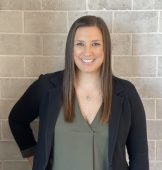
Melanie Simms
Marriage and Family Therapist, LMFT
I believe that self-compassion is the antidote for perfectionism. I work with clients to heal from early traumatic experiences that may have led to the development of perfectionism as a coping mechanism. I help clients develop their overall feeling of self-worth and treat themselves with greater compassion to reduce perfectionistic tendencies.
11 Years Experience
In-Person Near Santa Barbara, CA
Online in Santa Barbara, CA

Perfectionism
Erin Powers
Counselor/Therapist, APCC 9590
I am a self-identified perfectionist, as many of my clients are. I utilize various modalities and offer guidance in navigating the challenges of perfectionism.
6 Years Experience
Online in Santa Barbara, CA (Online Only)
Perfectionism
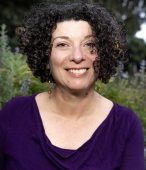
Heidi Hartston
Psychologist, PhD
Therapy can help you navigate the traps related to perfectionism, including procrastination, self-criticism, fear of failure, imposter syndrome, overthinking and fear of falling short. We can work to quiet the inner critic, address black and white thinking in evaluating yourself and your work, and find purpose driven motivation (rather than fear driven). Shifting your inner conversation can result in great relief and can unlock your creativity, reinvigorate your interest and have you feeling proud of your work and your skillset. I combine insightful, caring depth work with evidence based techniques that effectively free you from self-sabotaging patterns, and help you to build the balanced, happy life you deserve.
35 Years Experience
Online in Santa Barbara, CA (Online Only)

Perfectionism
Dr. Christopher Lowery, DHSc, CLCP
Clinical Health Practitioner, Board-Certified Life Care Planner
This component assist with the management of self-criticism, reduce anxiety, and develop healthier standards, self-compassion, and balanced coping strategies.
24 Years Experience
Online in Santa Barbara, CA

Perfectionism
Shohreh ("Sho-ray") Schmuecker
Marriage and Family Therapist, MA, LMFT
The parts of you that strive for perfection may have learned that having this drive can come with real advantages. The parts of you that try to be perfect may encourage you to do your very best and support you in striving for excellence. However, the relentless push for perfectionism can give you very little space for the mistakes and limitations that come with being human. Over time, the self-criticism and internal pressure tied to inflexible expectations can feel exhausting.
In our sessions together, we can work together to understand the parts of you that are working so very hard. We can explore how they came to be, how they have been helpful and if they are still serving you in the same ways they once were. Supporting you to understand what you would like moving forward and helping you find a more balance way.
12 Years Experience
Online in Santa Barbara, CA
Perfectionism therapists in Santa Barbara, CA Statistics
Perfectionism therapists in Santa Barbara, CA average 13 years of experience and charge around $227 per session. 100% offer online sessions. The top treatment approaches are Cognitive Behavioral Therapy (CBT) (70%), Eye Movement Desensitization and Reprocessing (EMDR) (46%), and Somatic Therapy (42%).
Average years in practice
13 Years Experience
Average cost per session
$227
Accept insurance
38%
Offer sliding scale
38%
Gender ID
| 71% |
Female |
|
| 21% |
Male |
|
| 4% |
Gender Fluid |
|
| 4% |
Non-Binary |
|
Session Type
| 56% |
In Person and Online |
|
| 44% |
Online Only |
|
Top Treatment Approaches
| 70% | Cognitive Behavioral Therapy (CBT) |
| 46% | Eye Movement Desensitization and Reprocessing (EMDR) |
| 42% | Somatic Therapy |
| 38% | Psychodynamic Therapy |
| 36% | Emotionally Focused Therapy (EFT) |
| 32% | Acceptance & Commitment Therapy (ACT) |
| 32% | Dialectical Behavior Therapy (DBT) |
Ages Served
| 100% | Adult |
| 68% | Young Adult |
| 62% | Senior |
| 38% | Teen |
| 24% | Children |
Client Focus
| 70% | Women |
| 52% | LGBTQ+ |
| 36% | Asian |
| 34% | Hispanic / Latino |
| 34% | Men |