Dissociative Disorders therapists in Salida, CO
Browse Dissociative Disorders therapists in Salida, Colorado. Compare credentials, specialties and therapeutic approach. Contact a therapist to learn more.
Dissociation
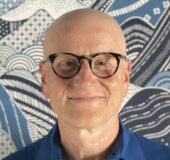
Dr. Alan Ickowitz
Psychologist, Psy.D.
I have helped clients cope with and heal from trauma resulting in dissociative disorders for more than 15 years.
35 Years Experience
Online in Salida, CO

Dissociation
Melaney Flaniken
Licensed Professional Counselor, LPC, B.S., Integrative Health Studies M.S., Clinical Mental Health Counseling
I work with dissociative disorders by helping you reconnect with your sense of self and the present moment. Through trauma-informed techniques, we explore the underlying causes of dissociation and work on grounding strategies to help you feel more anchored and aware. My goal is to create a safe, supportive space where you can process difficult emotions, regain a sense of control, and gradually heal from past experiences.
3 Years Experience
Online in Salida, CO (Online Only)

Dissociation
Ilyssa Swartout
Psychologist, Psy.D.
Dissociation can feel like being disconnected from yourself, your emotions, or the world around you. You may lose time, feel detached, or struggle to stay present. Therapy can help you safely reconnect with your thoughts and feelings, understand your inner experiences, and restore a sense of grounding and wholeness. Through gentle, trauma-informed approaches such as EMDR, DNMS, and Brainspotting, we’ll work to heal the parts of you that learned to separate as a form of protection—helping you feel more integrated, secure, and in control of your life.
25 Years Experience
Online in Salida, CO (Online Only)
Dissociation
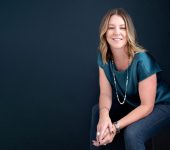
Neurofeedback Clinic of Northern Colorado
Marriage and Family Therapist, MS, LMFT
Treating dissociative disorders requires specialized care that prioritizes safety, trust, and gentle integration. Our client-centered approach respects your unique experience and internal system while using evidence-based techniques to reduce dissociation and improve daily functioning. Neurofeedback can help strengthen neural connectivity and grounding, supporting your ability to stay present. We work at your pace to process traumatic experiences, improve internal communication, and develop cohesive identity and memory, always honoring your autonomy and resilience.
14 Years Experience
Online in Salida, CO
Dissociation
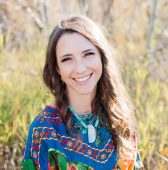
Katherine Coder
Licensed Mental Health Counselor, PhD, LPC, LMHC
We dissociate because we are facing circumstances that feel life threatening. This can occur because we were really young when these threatening circumstances occurred or because what happened was extremely overpowering to us. Dissociation is a natural defensive strategy our bodies take to keep us safe. We approach dissociation through Deep Brain Reorienting to help the primitive brain process early life abandonment, conflicts, core aloneness pain, and other traumatic experiences that underpin the dissociative patterning.
15 Years Experience
Online in Salida, CO
Dissociative Disorders therapists in Salida, CO Statistics
Dissociative Disorders therapists in Salida, CO average 17 years of experience and charge around $195 per session. 100% offer online sessions. The top treatment approaches are Cognitive Behavioral Therapy (CBT) (58%), Person-Centered Therapy (Rogerian) (55%), and Existential / Humanistic Therapy (45%).
Average years in practice
17 Years Experience
Average cost per session
$195
Accept insurance
48%
Offer sliding scale
36%
Gender ID
| 47% |
Female |
|
| 42% |
Male |
|
| 7% |
Non-Binary |
|
| 4% |
Gender Fluid |
|
Session Type
| 64% |
In Person and Online |
|
| 36% |
Online Only |
|
Top Treatment Approaches
| 58% | Cognitive Behavioral Therapy (CBT) |
| 55% | Person-Centered Therapy (Rogerian) |
| 45% | Existential / Humanistic Therapy |
| 45% | Internal Family Systems (IFS) |
| 39% | Emotionally Focused Therapy (EFT) |
| 39% | Somatic Therapy |
| 36% | Solution-Focused Brief Therapy (SFBT) |
Ages Served
| 100% | Adult |
| 73% | Young Adult |
| 61% | Senior |
| 48% | Teen |
| 24% | Children |
Client Focus
| 55% | Women |
| 52% | LGBTQ+ |
| 52% | Men |
| 36% | Military / Veterans |
| 33% | Persons with Disabilities |