Trauma and PTSD therapists in Killingly Center, CT
Find experienced trauma and PTSD therapists in Killingly Center, Connecticut who provide testing, evidence-based treatment for trauma, post-traumatic stress disorder, and related challenges such as anxiety, depression, and stress. Compare detailed therapist profiles and connect with a provider that’s right for you.
View nearby cities
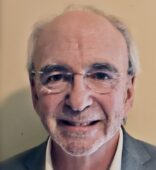
PTSD/Trauma
Philip H. Brown
Licensed Clinical Social Worker, MSW, LCSW, BCD, DCSW
Having worked as an EMT and EMT-Instructor, I have been trained and I train clinicians on dealing with these issues.
44 Years Experience
In-Person Near Killingly Center, CT
Online in Killingly Center, CT

PTSD/Trauma
Andrea Quick Counseling & Mediation LLC
Licensed Clinical Social Worker, LCSW
Many individuals can experience symptoms associated with unexpected, horrific, terrifying, and painful traumatic circumstances. Anxiety, fear, panic, numbness, anger, hightened emotions, increased startle response, insomnia, loss of appetite, isolation, and hopelessness are a few symptoms that can show up after a traumatic event. I can help you overcome these symptoms and guide you through the process of grief and healing.
19 Years Experience
In-Person Near Killingly Center, CT
Online in Killingly Center, CT
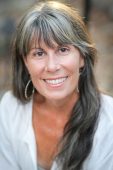
PTSD/Trauma
Soma Aloia, Holistic Somatic Counseling
Counselor/Therapist, MS, LCST, SE, CSC, CYT
Complex trauma and CPTSD stem from more than just events in our adult years. These are usually foundational from early developmental trauma and childhood trauma, and can be worked with and healed at any age.
Trauma is not only what happened to you. It is also how those experiences continue to live within the body and nervous system long after events have passed. Using a gentle, body-centered approach, we'll work at a pace that feels safe - restoring connection, resilience, and the freedom to live more fully in the present.
Therapy helps restore safety, connection, and the capacity to move forward without remaining organized around survival. You will learn how to reparent the little ones inside and have an easier relationship with yourself and your body.
31 Years Experience
Online in Killingly Center, CT

PTSD/Trauma
Ilyssa Swartout
Psychologist, Psy.D.
Trauma can leave lasting imprints—flashbacks, anxiety, emotional numbness, or a sense of being “stuck.” Healing begins with safety and understanding. In therapy, we’ll use evidence-based trauma approaches such as EMDR, Brainspotting, and DNMS to process and release painful memories at a pace that feels right for you. Together, we’ll work toward restoring trust in yourself and the world, helping you feel more grounded, empowered, and whole.
25 Years Experience
Online in Killingly Center, CT (Online Only)
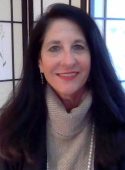
PTSD/Trauma
Dr. Carol H Paulson
Psychologist, PhD, LP, RN, APRN, DMin
EMDR and many tools to move through and recover from trauma
44 Years Experience
Online in Killingly Center, CT (Online Only)
Trauma and PTSD therapists in Killingly Center, CT Statistics
Trauma and PTSD therapists in Killingly Center, CT average 16 years of experience and charge around $210 per session. 100% offer online sessions. The top treatment approaches are Cognitive Behavioral Therapy (CBT) (72%), Acceptance & Commitment Therapy (ACT) (39%), and Psychodynamic Therapy (33%).
Average years in practice
16 Years Experience
Average cost per session
$210
Accept insurance
40%
Offer sliding scale
31%
Gender ID
| 65% |
Female |
|
| 31% |
Male |
|
| 2% |
Non-Binary |
|
| 2% |
Gender Fluid |
|
Session Type
| 56% |
In Person and Online |
|
| 44% |
Online Only |
|
Top Treatment Approaches
| 72% | Cognitive Behavioral Therapy (CBT) |
| 39% | Acceptance & Commitment Therapy (ACT) |
| 33% | Psychodynamic Therapy |
| 29% | Person-Centered Therapy (Rogerian) |
| 27% | Emotionally Focused Therapy (EFT) |
| 26% | Existential / Humanistic Therapy |
| 25% | Dialectical Behavior Therapy (DBT) |
Ages Served
| 99% | Adult |
| 70% | Young Adult |
| 53% | Senior |
| 38% | Teen |
| 16% | Children |
Client Focus
| 56% | Women |
| 43% | LGBTQ+ |
| 37% | Men |
| 30% | Military / Veterans |
| 23% | Black / African American |