Trauma and PTSD therapists in Dublin, Ireland
Find experienced trauma and PTSD therapists in Dublin, Ireland who provide testing, evidence-based treatment for trauma, post-traumatic stress disorder, and related challenges such as anxiety, depression, and stress. Compare detailed therapist profiles and connect with a provider that’s right for you.
View nearby cities

PTSD/Trauma
Sudeva Hawkes
Registered Psychotherapist, Registered Clinical Counsellor, B.Couns., MNCPS Accred. , PACFA Reg.
Both childhood trauma and that which comes from a recent shock can be immensely hard to live with. The good news is that you don't have to delve into old wounds or relive past events. Trauma is held in the body and it is through the body that it can be released. Sudeva is experienced in trauma work, he is a Certified Practitioner in Somatic Experiencing (Peter Levine's work) and has further trained in NARM, Attachment Theory and IFS.
29 Years Experience
Online in Dublin, County Dublin (Online Only)
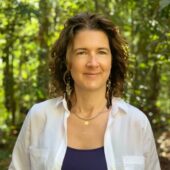
PTSD/Trauma
Mairead Cleary
Registered Psychotherapist, Masters in Gestalt Therapy
Everyone has trauma. It's part of being alive. And some trauma events can be particularly intense and leave us feeling unsafe in the world. The environment we grew up in, if particularly abusive and dysfunctional, can also be traumatic and cause us to feel unsafe in the world. Trauma shows up in our nervous system responses to people and situations, like being excessively wary and on high alert.
We work to regulate your nervous system, to give it safe resting places and experiences of relaxation. We also work with the underlying trauma itself in a very slow, resourcing way.
8 Years Experience
Online in Dublin, County Dublin (Online Only)

PTSD/Trauma
Clive Rooney CLIVECARE
Registered Psychotherapist, BA (HONS) Psych, H Dip Psychsis, Bsc Counselling & Psychotherapy, MA Cognitive Behavioural therapy
Traumatic events can be very frightening and colour our perceptions of our current lives. They can be debilitating and evoke variety of negative emotions. I am trained specifically to help people develop updated perspectives on past traumas by developing a self supporting compassionate dialogue within your mind that can help end the vicious circle of pain and suffering. Learn how developing a compassionate mind approach through CBT can help end flashbacks with PTSD. Learn different ways of thinking that PTSD will not let you consider. I can help you develop your own personal and unique emotional truth about past traumas that can give you greater control in your life.
12 Years Experience
Online in Dublin, County Dublin

PTSD/Trauma
Fiona Corbett
Registered Psychotherapist, Higher Diploma Psychodynamic Psychotherapy, Diploma Humanistic Counselling, EMDR Consultant
EMDR is a NICE recommended treatment for Trauma and PTSD and I offer this wonderful therapy which has a positive impact.Using eye movements or tapping we reprocess the trauma to create less emotional charge and to create new responses to the event.Get in touch to find out more or book a free initial meeting.
18 Years Experience
Online in Dublin, County Dublin (Online Only)

PTSD/Trauma
Nicola Woods
Registered Psychotherapist, MA, UKCP, EMDR
I work with clients experiencing PTSD and Complex -PTSD in an embodied, compassionate and relational way. I practise EMDR therapy, mindfulness based psychotherapy and parts works. EMDR along with mindfulness based therapy and parts work supports clients, in recovering from trauma, PTSD and C-PTSD supporting you to live more freely and authentically.
9 Years Experience
Online in Dublin, County Dublin (Online Only)
Dublin has transformed rapidly from a relatively insular city into a major European technology hub — home to the European headquarters of Google, Meta, and many other multinationals — generating significant demand for therapists experienced with burnout, imposter syndrome, and the psychological cost of high-performance corporate environments. The city's severe housing crisis is a defining source of anxiety for many residents, particularly younger people who grew up in Dublin but struggle to remain there affordably. Ireland's historically complex relationship with institutional religion means many clients seek therapists who can hold nuanced conversations about religious trauma, inherited values, and personal identity. The national public health service (HSE) provides limited psychotherapy access, and most Dublin therapy takes place through private practice or employer assistance programmes.
Trauma and PTSD therapists in Dublin, Ireland Statistics
Trauma and PTSD therapists in Dublin, Ireland average 16 years of experience. 100% offer online sessions. The top treatment approaches are Existential / Humanistic Therapy (78%), Person-Centered Therapy (Rogerian) (78%), and Integrative Therapy (67%).
Average years in practice
16 Years Experience
Accept insurance
33%
Offer sliding scale
33%
Gender ID
| 78% |
Female |
|
| 22% |
Male |
|
Session Type
| 56% |
Online Only |
|
| 44% |
In Person and Online |
|
Top Treatment Approaches
| 78% | Existential / Humanistic Therapy |
| 78% | Person-Centered Therapy (Rogerian) |
| 67% | Integrative Therapy |
| 56% | Internal Family Systems (IFS) |
| 44% | Cognitive Behavioral Therapy (CBT) |
| 44% | Psychodynamic Therapy |
| 44% | Psychoeducational Therapy |
Ages Served
| 100% | Adult |
| 44% | Young Adult |
| 33% | Senior |
| 22% | Teen |
Client Focus
| 78% | Women |
| 67% | Men |
| 44% | LGBTQ+ |
| 33% | Buddhist |
| 22% | Asian |