Social Anxiety therapists in Blandford Forum, England
Browse Social Anxiety therapists in Blandford Forum, England, United Kingdom. Compare credentials, specialties and therapeutic approach. Contact a therapist to learn more.

Social Anxiety
Saffron Marriner
Counsellor/Therapist, MBACP (Accred)
An integrative humanistic and trauma informed counselling approach offers a compassionate and comprehensive method to address social anxiety, fostering healing and empowerment for those affected. The roots of social anxiety can be multifaceted, involving genetic predispositions, environmental factors and post traumatic experiences. Humanistic counselling encourages you to develop self-awareness and self-compassion. Through reflective exercises and mindfulness practices, you can gain insight into your thought patterns and emotional responses. This self understanding fosters a more compassionate relationship with yourself, reducing self criticism and enhancing self esteem. An integrative approach will equip you with practical coping strategies to manage social anxiety. Techniques such as progressive muscle relaxation and grounding exercises can help clients regulate their physiological responses to anxiety. Cognitive restructuring and exposure therapy can also be employed to challenge and reframe negative thought patterns and gradually desensitise you to feared social situations. We will collaborate to set achievable goals and celebrate progress. By fostering a sense of agency and self-efficacy, you are encouraged to take an active role in your healing journey. By combining the principles of empathy, validation and empowerment, the approach that I use can help you navigate your anxieties.
22 Years Experience
In-Person Near Blandford Forum, ENG
Online in Blandford Forum, England

Social Anxiety
Dr George Booty. The PsychoTRAUMA Clinic (Convergence College of Psychotherapy)
Registered Psychotherapist, Dr, DPsych, MA Couns, MA Psych, PG Dip Spvn
Anxiety of any level is something we specialise in so we are ready to help those in need. We may offer help to uncover the root of these issues and early trauma again, is a possibility too.
31 Years Experience
Online in Blandford Forum, England

Social Anxiety
Aleksei Panov
Registered Psychotherapist, MA Psy, MS Psy, RP
For dealing with social anxiety, first of all, I help my clients to manage their physical symptoms of anxiety and then they are able to take control of their bodies, secondly we try to identify automatic negative thoughts and learn how to deal with them and challenge them. We learn how to accept ourselves, and stop worrying about other people's opinions.
17 Years Experience
Online in Blandford Forum, England
Social Anxiety
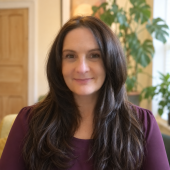
Samantha Coleman
Therapist, MBACP Prof Dip
Social anxiety can make everyday interactions feel stressful, exposing, or overwhelming. You may fear being judged, rejected, misunderstood, embarrassed, or seen in the wrong way. My approach is warm, thoughtful, and focused on understanding what lies underneath these fears rather than judging them. Together, we can explore the deeper patterns driving your anxiety and help you build greater confidence and ease in how you relate to other people.
13 Years Experience
Online in Blandford Forum, England

Social Anxiety
Adrian Sonnex, Wellbeing Hypnotherapy & Mindfulness
Therapist, DCH, DHP, MCH, MBCT, SQHP
We help many of our clients resolve / beat their social anxiety and other anxieties, such as performance anxiety and General Anxiety Disorder (GAD). We use a combination of Hypnotherapy and Mindfulness-based Stress Reduction for Anxiety. Let us help you now.
19 Years Experience
Online in Blandford Forum, England
Social Anxiety therapists in Blandford Forum, England Statistics
Social Anxiety therapists in Blandford Forum, England average 14 years of experience and charge around ¤119 per session. 100% offer online sessions. The top treatment approaches are Integrative Therapy (64%), Cognitive Behavioral Therapy (CBT) (52%), and Person-Centered Therapy (Rogerian) (52%).
Average years in practice
14 Years Experience
Average cost per session
¤119
Accept insurance
35%
Offer sliding scale
47%
Gender ID
| 69% |
Female |
|
| 29% |
Male |
|
| 1% |
Gender Fluid |
|
| 1% |
Non-Binary |
|
Session Type
| 61% |
In Person and Online |
|
| 39% |
Online Only |
|
Top Treatment Approaches
| 64% | Integrative Therapy |
| 52% | Cognitive Behavioral Therapy (CBT) |
| 52% | Person-Centered Therapy (Rogerian) |
| 34% | Solution-Focused Brief Therapy (SFBT) |
| 32% | Psychodynamic Therapy |
| 29% | Somatic Therapy |
| 27% | Hypnotherapy |
Ages Served
| 99% | Adult |
| 64% | Young Adult |
| 57% | Senior |
| 53% | Teen |
| 19% | Children |
Client Focus
| 68% | Women |
| 52% | Men |
| 48% | LGBTQ+ |
| 35% | Christian |
| 35% | Persons with Disabilities |