Stress therapists in Cross Hills, England
Browse Stress therapists in Cross Hills, England, United Kingdom. Compare credentials, specialties and therapeutic approach. Contact a therapist to learn more.
View nearby cities
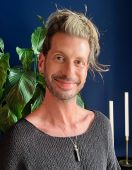
Stress
Gordon Wax BA HONS MBACP
Counsellor/Therapist, Psychoanalytic Psychotherapist
In therapy you will understand that stress is normal and how to cope. We are conditioned to feel successful when booked and busy. The body and mind may disagree.
13 Years Experience
In-Person Near Cross Hills, ENG
Online in Cross Hills, England

Stress
Natalie Jane - Narcissistic Abuse & Relationship Recovery Counsellor
Counsellor/Therapist
Stress and burnout creep up quietly until you are running on empty. We look at your workload, boundaries and patterns such as perfectionism or people pleasing, and use practical tools and hypnotherapy for relaxation to help you recover and protect your wellbeing.
4 Years Experience
Online in Cross Hills, England (Online Only)

Stress
Marianna Trezza -The Growing mindset
Counsellor/Therapist, MA (Hons), Adv Dip. Counsel. & Psychoth.,Dip. Hypnoth., X-Cultural Adaptation Coun. Reg. BACP 572613
For many women living abroad, stress is not only caused by work, responsibilities or daily pressures.
Sometimes it comes from years of constant adaptation.
Adapting to new countries.
New languages.
New cultural expectations.
New versions of oneself.
Many Italian women abroad become highly skilled at functioning while internally remaining in a subtle but ongoing state of alertness.
Monitoring how they speak.
How they are perceived.
How much space they take up.
How much they need to adapt in order to belong.
Over time, this continuous self-monitoring can place significant strain on the nervous system and body.
Many women begin to experience emotional exhaustion, tension, overwhelm, difficulty relaxing, chronic anxiety or the feeling of always having to “hold everything together”.
My work explores the deeper emotional and nervous system patterns underneath chronic stress, over-functioning and long-term emotional adaptation.
I integrate psychotherapy, hypnotherapy, embodiment, EFT, lifestyle medicine, reflective dialogue and nature-based practices to support women in reconnecting with a greater sense of regulation, authenticity, inner rhythm and emotional ease.
23 Years Experience
Online in Cross Hills, England

Stress
Lavinia May
Counsellor/Therapist, MNCPS (Acc.)
Hi, I'm Lavinia and I am a Psychotherapist, working with both individuals and couples. Part of LGBTQ+ Community. I have worked in Mental Heath services for over nine years , helping people manage their emotional health and wellbeing. I offer a safe non judgemental therapeutic environment for you to process your thoughts and feelings. Our sessions will be empowering, liberating and can even be life changing, giving you the opportunity to gain the confidence to make positive changes to uncover your full potential.
My therapy style is warm and interactive and the pace will always be set by you. I am passionate about delivering exceptional care and the promotion of emotional wellbeing, with extensive experience of working in a range of various settings including NHS, Corporate, and Private Practice.
I understand each person is unique&I tailor-make sessions for each individual I am working with.I work using both time limited sessions or open ended, allowing us to work as flexibly as you require. I want to acknowledge that beginning therapy is often a supreme act of courage,strength,and self-care. I’m so glad you’re here. Please feel welcome to reach out
12 Years Experience
Online in Cross Hills, England

Stress
Dr George Booty. The PsychoTRAUMA Clinic (Convergence College of Psychotherapy)
Registered Psychotherapist, Dr, DPsych, MA Couns, MA Psych, PG Dip Spvn
Stress and Stretched. Bio & Neuro-feedback therapy. I am well able to work with and help those sufferers understand the difference between naturally being stretched and the danmaging ongoing high stress that causes mental and physical health problems, such as found in PTSD. With Bio & Neuro Feedback we are complimenting our therapies utilising this digital feedback in house.
31 Years Experience
Online in Cross Hills, England
Stress therapists in Cross Hills, England Statistics
Stress therapists in Cross Hills, England average 14 years of experience and charge around ¤127 per session. 100% offer online sessions. The top treatment approaches are Integrative Therapy (62%), Cognitive Behavioral Therapy (CBT) (51%), and Person-Centered Therapy (Rogerian) (47%).
Average years in practice
14 Years Experience
Average cost per session
¤127
Accept insurance
29%
Offer sliding scale
49%
Gender ID
| 70% |
Female |
|
| 26% |
Male |
|
| 2% |
Gender Fluid |
|
| 2% |
Non-Binary |
|
Session Type
| 66% |
In Person and Online |
|
| 34% |
Online Only |
|
Top Treatment Approaches
| 62% | Integrative Therapy |
| 51% | Cognitive Behavioral Therapy (CBT) |
| 47% | Person-Centered Therapy (Rogerian) |
| 29% | Psychodynamic Therapy |
| 28% | Solution-Focused Brief Therapy (SFBT) |
| 28% | Somatic Therapy |
| 27% | Existential / Humanistic Therapy |
Ages Served
| 99% | Adult |
| 62% | Young Adult |
| 53% | Senior |
| 43% | Teen |
| 14% | Children |
Client Focus
| 69% | Women |
| 53% | Men |
| 42% | LGBTQ+ |
| 36% | Christian |
| 34% | Persons with Disabilities |