Domestic Abuse therapists in High Peak, England
Browse Domestic Abuse therapists in High Peak, England, United Kingdom. Compare credentials, specialties and therapeutic approach. Contact a therapist to learn more.

Domestic Abuse
Natalie Jane - Narcissistic Abuse & Relationship Recovery Counsellor
Counsellor/Therapist
Leaving or living with domestic abuse is frightening and confusing. With specialist training in intimate partner violence, I offer trauma-informed support to help you feel safer, make sense of what happened and rebuild your confidence, always at your pace.
4 Years Experience
Online in High Peak, England (Online Only)

Domestic Abuse
Gordon Wax BA HONS MBACP
Counsellor/Therapist, Psychoanalytic Psychotherapist
Helping individuals take on abuse and fight for a peaceful and safe environment.
13 Years Experience
In-Person Near High Peak, ENG
Online in High Peak, England

Domestic Abuse
Dr George Booty. The PsychoTRAUMA Clinic (Convergence College of Psychotherapy)
Registered Psychotherapist, Dr, DPsych, MA Couns, MA Psych, PG Dip Spvn
I already spoke of domestic abuse on this site but with Covid-19 it surely has been on the increase the last few months. I am an]ble to help with anger management and to help the victims to deal with trauma and find a way out of the living hell they find themselves in, both male and female. Johnny Depp eat your heart out!
31 Years Experience
Online in High Peak, England

Domestic Abuse
Gemma Autumn
Counsellor/Therapist, Integrative Adult and Adolescent Counsellor Cert, PgDip, MBACP Accredited
I work with those who wish to explore domestic abuse and violence. This may be historic or recent and be accompanied by feelings of anger, hopelessness, betrayal, fear and suicidal ideation. All of which are welcome in our work together.
10 Years Experience
Online in High Peak, England
Domestic Abuse
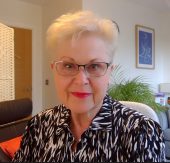
Mandy Randall-Gavin MBACP, UKATA
Counsellor/Therapist, BA Hons, Dip TA Prac: UKATA
I can provide the necessary counselling to help you as a survivor of Domestic Abuse or Violence, process your trauma. By providing the emotional support, the coping strategies, and the healing environment necessary to process your trauma, we can work together to rebuild your sense of self, and regain control of your life.
14 Years Experience
Online in High Peak, England
Domestic Abuse therapists in High Peak, England Statistics
Domestic Abuse therapists in High Peak, England average 16 years of experience and charge around ¤136 per session. 100% offer online sessions. The top treatment approaches are Cognitive Behavioral Therapy (CBT) (59%), Person-Centered Therapy (Rogerian) (59%), and Integrative Therapy (49%).
Average years in practice
16 Years Experience
Average cost per session
¤136
Accept insurance
43%
Offer sliding scale
65%
Gender ID
| 68% |
Female |
|
| 26% |
Male |
|
| 3% |
Gender Fluid |
|
| 3% |
Non-Binary |
|
Session Type
| 65% |
In Person and Online |
|
| 35% |
Online Only |
|
Top Treatment Approaches
| 59% | Cognitive Behavioral Therapy (CBT) |
| 59% | Person-Centered Therapy (Rogerian) |
| 49% | Integrative Therapy |
| 41% | Psychodynamic Therapy |
| 35% | Existential / Humanistic Therapy |
| 30% | Interpersonal Therapy (IPT) |
| 30% | Multicultural Therapy |
Ages Served
| 100% | Adult |
| 76% | Young Adult |
| 68% | Senior |
| 59% | Teen |
| 27% | Children |
Client Focus
| 76% | Women |
| 59% | LGBTQ+ |
| 51% | Men |
| 46% | Persons with Disabilities |
| 38% | Black / African American |