Depression therapists in Prescot, England
Browse Depression therapists in Prescot, England, United Kingdom. Compare credentials, specialties and therapeutic approach. Contact a therapist to learn more.

Depression
Gordon Wax BA HONS MBACP
Counsellor/Therapist, Psychoanalytic Psychotherapist
You don't have to be in bed crying to be depressed. Therapy will help you to support yourself.
13 Years Experience
In-Person Near Prescot, ENG
Online in Prescot, England

Depression
Natalie Jane - Narcissistic Abuse & Relationship Recovery Counsellor
Counsellor/Therapist
When low mood settles in, even small tasks can feel heavy. I offer a gentle space to talk about what has led you here, and we work on small, realistic steps to reconnect with energy, meaning and the people and activities that matter to you.
4 Years Experience
Online in Prescot, England (Online Only)
Depression
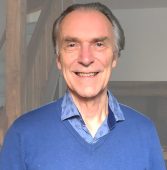
Sudeva Hawkes
Registered Psychotherapist, Registered Clinical Counsellor, B.Couns., MNCPS Accred. , PACFA Reg.
My aim is to create a safe space where you can look into the impact of Depression, a state that is often accompanied by Anxiety. It can be a scary place to be. I don't support the idea that you should be 'fixing' yourself, but rather encourage an exploration of that part of you which experiences melancholy, sadness or anxiety and how this originated. My way of working is singular, joining as it does clinical experience and the healing of trauma with meditation and mindfulness. My wish is to serve and support you in your authentic flowering, rather than to 'fix' you according to the expectations of conventional therapy.
29 Years Experience
Online in Prescot, England (Online Only)

Depression
Karine Flynn
Psychologist, MSc, GMBPS
Depression often involves a profound disconnection from the body - a flatness or numbness that makes even basic engagement feel effortful. This work doesn't ask you to feel more before you're ready. It works gently with what's present - however little that might be - and creates the conditions for aliveness to return at the body's own pace, rather than on a timeline that adds another layer of pressure.
PS: For clients experiencing depression, I work outside the programme format - at your pace, without a fixed sequence or timeline.
23 Years Experience
Online in Prescot, England

Depression
Liz Frings
Counsellor/Therapist, PG Diploma Person-Centred Psychotherapy. EMDR Accredited
I can help you understand the patterns that maintain depression and gently challenge the thoughts that keep you stuck. Together, we’ll develop practical coping strategies, work on reconnecting with activities and people that matter to you, and address any underlying wounds or experiences that contribute to your depression. We’ll also pay attention to self-compassion—learning to treat yourself with the same kindness you’d offer a friend.
Depression can be isolating, but recovery doesn’t have to be a solitary journey. You don’t need to have it all figured out before reaching out. Wherever you are right now is a valid place to start.
15 Years Experience
Online in Prescot, England
Depression therapists in Prescot, England Statistics
Depression therapists in Prescot, England average 15 years of experience and charge around ¤122 per session. 100% offer online sessions. The top treatment approaches are Integrative Therapy (56%), Cognitive Behavioral Therapy (CBT) (50%), and Person-Centered Therapy (Rogerian) (46%).
Average years in practice
15 Years Experience
Average cost per session
¤122
Accept insurance
34%
Offer sliding scale
47%
Gender ID
| 64% |
Female |
|
| 32% |
Male |
|
| 2% |
Gender Fluid |
|
| 2% |
Non-Binary |
|
Session Type
| 64% |
In Person and Online |
|
| 36% |
Online Only |
|
Top Treatment Approaches
| 56% | Integrative Therapy |
| 50% | Cognitive Behavioral Therapy (CBT) |
| 46% | Person-Centered Therapy (Rogerian) |
| 29% | Psychodynamic Therapy |
| 29% | Solution-Focused Brief Therapy (SFBT) |
| 27% | Somatic Therapy |
| 26% | Existential / Humanistic Therapy |
Ages Served
| 99% | Adult |
| 62% | Young Adult |
| 57% | Senior |
| 47% | Teen |
| 18% | Children |
Client Focus
| 67% | Women |
| 54% | Men |
| 46% | LGBTQ+ |
| 33% | Persons with Disabilities |
| 32% | Christian |