Perfectionism therapists in Sanford, FL
Browse Perfectionism therapists in Sanford, Florida. Compare credentials, specialties and therapeutic approach. Contact a therapist to learn more.

Perfectionism
Yourdeline Sertyl
Licensed Mental Health Counselor, LMHC
Perfectionism often hides beneath achievement. It can drive success while quietly fueling anxiety, self-criticism, and burnout. I help high-achieving adults unpack the roots of perfectionism, shift rigid thought patterns, and develop healthier standards that allow for growth without constant pressure.
7 Years Experience
Online in Sanford, FL (Online Only)

Perfectionism
Carlos "Charlie" Garcia
Licensed Mental Health Counselor, LMHC, CCC, MSc, MBA, CCTP
Perfectionism can look like you have it all together on the outside, like everything is okay and perfectly done. But on the inside, it can feel like constant pressure, overthinking, mental listing, and never quite feeling like it’s enough. No real celebration, no slowing down, no fully accepting or believing compliments.
It’s more like always pushing yourself, second-guessing, or feeling like you can’t slow down because everything has to be done a certain way to feel right.
We can work on understanding where that comes from, shifting those patterns, and building a way of living that feels more sustainable and less exhausting.
2 Years Experience
Online in Sanford, FL (Online Only)

Perfectionism
Rising Calm Center
Life Coach, MA, CMHC
help individuals struggling with perfectionism uncover the deeper fears, pressure, shame, and self-worth issues that often drive the need to constantly perform or “get everything right.” Through a compassionate, trauma-informed, and faith-based approach, I support clients in breaking free from unrealistic expectations, learning self-compassion, developing healthier thought patterns, and finding rest in their identity rather than their performance. My desire is to help individuals experience greater freedom, peace, confidence, and grace through Christ.
3 Years Experience
Online in Sanford, FL
Perfectionism
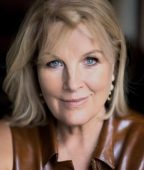
Julie Cochrane - Clinical Hypnotherapist, Rapid Transformational Therapy (RTT) Therapist, CCP
Hypnotherapist, Clinical Hypnotherapist, RTT-T, Rewind Therapy Practitioner, Integration Coaching
Perfectionism is not really about high standards. It is about safety. Somewhere along the way, the subconscious decided that being good enough, being beyond criticism or being in complete control was the way to be safe and accepted. That decision then becomes a daily tax: overworking, second-guessing, never quite arriving. RTT goes back to the moment that decision was made and updates the meaning underneath it. The standards can stay. What changes is the price you pay to meet them. Most of my perfectionist clients are women in leadership, founders or creatives. The work is online via Zoom and confidential.
6 Years Experience
Online in Sanford, FL (Online Only)

Perfectionism
Chelsie Ciminelli
Licensed Clinical Social Worker, Holistic Health Practitioner
I support individuals who struggle with perfectionism, excessive self-criticism, fear of failure, or the feeling that they must constantly achieve, perform, or get things right in order to feel worthy. Together, we explore the deeper beliefs and protective patterns that can drive perfectionism, including the fear of judgment, rejection, failure, or not being “enough.” Through a trauma-informed, somatic, and compassionate approach, I help clients develop greater self-acceptance, flexibility, and safety within themselves while learning to separate their inherent worth from their accomplishments. Our work creates space to pursue growth and meaningful goals without living under the constant pressure to prove yourself.
7 Years Experience
Online in Sanford, FL
Perfectionism therapists in Sanford, FL Statistics
Perfectionism therapists in Sanford, FL average 14 years of experience and charge around $207 per session. 100% offer online sessions. The top treatment approaches are Cognitive Behavioral Therapy (CBT) (81%), Acceptance & Commitment Therapy (ACT) (54%), and Psychodynamic Therapy (40%).
Average years in practice
14 Years Experience
Average cost per session
$207
Accept insurance
47%
Offer sliding scale
31%
Gender ID
| 69% |
Female |
|
| 25% |
Male |
|
| 3% |
Gender Fluid |
|
| 3% |
Non-Binary |
|
Session Type
| 53% |
In Person and Online |
|
| 47% |
Online Only |
|
Top Treatment Approaches
| 81% | Cognitive Behavioral Therapy (CBT) |
| 54% | Acceptance & Commitment Therapy (ACT) |
| 40% | Psychodynamic Therapy |
| 33% | Dialectical Behavior Therapy (DBT) |
| 31% | Person-Centered Therapy (Rogerian) |
| 30% | Emotionally Focused Therapy (EFT) |
| 30% | Existential / Humanistic Therapy |
Ages Served
| 98% | Adult |
| 78% | Young Adult |
| 46% | Senior |
| 35% | Teen |
| 14% | Children |
Client Focus
| 53% | Women |
| 36% | LGBTQ+ |
| 29% | Men |
| 23% | Black / African American |
| 22% | Asian |