Hoarding therapists in University, FL
Browse Hoarding therapists in University, Florida. Compare credentials, specialties and therapeutic approach. Contact a therapist to learn more.
Hoarding
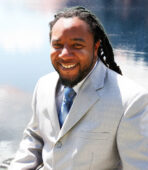
Dr. Le’ Isaac Gardner Msc.D. CTHT ORDM
Hypnotherapist, Doctorate in Metaphysical Science, MSc.D. Clinical and Transpersonal Hypnotherapist CTHT
Hoarding can be a very disruptive issue to deal with not only for the client but for their families as well. I will help you to identify and understand why it is so difficult to let things go. Then we will proceed with the healing and make clearing out old baggage mentally and physically much easier.
14 Years Experience
In-Person Near University, FL
Online in University, FL
Hoarding
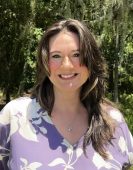
April Bieber
Licensed Professional Counselor, CMHC, CPC, LCPC, LMHC, LPC, LPC-MHS, QS (FL)
Hoarding isn't about "stuff" — it's about emotion, trauma, and control. I offer nonjudgmental, step-by-step support to help clients understand their attachment to possessions and reclaim their space and life.
17 Years Experience
Online in University, FL (Online Only)

Hoarding
Robert Zambrano, Psy.D
Psychologist, Psy.D
Hoarding Disorder can significantly impact daily life, relationships, and overall well-being, often creating overwhelming stress and anxiety. At Stress & Anxiety Services, we provide specialized treatment to help individuals address hoarding behaviors and work toward creating a more organized, fulfilling life. Our approach includes: - Cognitive Behavioral Therapy (CBT): Helps individuals identify and change the thoughts and behaviors that contribute to hoarding, and develop healthier decision-making skills. - Hoarding-Specific CBT: Focuses on reducing the accumulation of items, improving organization, and increasing emotional regulation when parting with possessions. - Exposure Therapy: Gradual exposure to decluttering situations to reduce distress and resistance to letting go of items. - Motivational Interviewing: Enhances readiness for change by exploring and addressing ambivalence about letting go of possessions. Through secure telehealth services, we can work with you to develop effective strategies, reduce clutter, and create a more manageable living space—wherever you are. With the right support, recovery from hoarding is possible.
18 Years Experience
Online in University, FL

Hoarding
Dr. Jeff J. Rocker
Licensed Mental Health Counselor, PH.D, NCC, LMHC, LCPC, LPC
Rocker Health has experienced and competent staff to deal with these issues.
15 Years Experience
Online in University, FL

Hoarding
Mary Knoblock, DNH
Hypnotherapist, DNH, RTT Practitioner, Hypnotist, Holistic Naturopath Practitioner, Spiritual Counselor
If you are struggling with hoarding, I use specific methods like RTT, Hypnosis and Emotion Code to help you uncover the triggers for hoarding and address the addictive pattern of hoarding in your life.
11 Years Experience
Online in University, FL (Online Only)
Hoarding therapists in University, FL Statistics
Hoarding therapists in University, FL average 15 years of experience and charge around $197 per session. 100% offer online sessions. The top treatment approaches are Cognitive Behavioral Therapy (CBT) (76%), Behavioral Therapy (57%), and Solution-Focused Brief Therapy (SFBT) (48%).
Average years in practice
15 Years Experience
Average cost per session
$197
Accept insurance
38%
Offer sliding scale
48%
Gender ID
| 63% |
Female |
|
| 31% |
Male |
|
| 3% |
Gender Fluid |
|
| 3% |
Non-Binary |
|
Session Type
| 67% |
In Person and Online |
|
| 33% |
Online Only |
|
Top Treatment Approaches
| 76% | Cognitive Behavioral Therapy (CBT) |
| 57% | Behavioral Therapy |
| 48% | Solution-Focused Brief Therapy (SFBT) |
| 43% | Acceptance & Commitment Therapy (ACT) |
| 43% | Emotionally Focused Therapy (EFT) |
| 38% | Compassion-Focused Therapy (CFT) |
| 38% | Family Systems Therapy |
Ages Served
| 100% | Adult |
| 81% | Young Adult |
| 76% | Senior |
| 71% | Teen |
| 48% | Children |
Client Focus
| 62% | Men |
| 62% | Women |
| 57% | LGBTQ+ |
| 48% | Christian |
| 48% | Hispanic / Latino |