Suicidal Thoughts therapists in Lansing, MI
Browse Suicidal Thoughts therapists in Lansing, Michigan. Compare credentials, specialties and therapeutic approach. Contact a therapist to learn more.

Suicidal
Amanda S. Vaught
Psychologist, PsyD
I provide compassionate, nonjudgmental support for individuals experiencing suicidal thoughts. These thoughts are more common than many realize and often signal deep emotional pain rather than a true wish to die. Together, we work to understand the underlying causes, build coping strategies, and create a sense of safety and hope. Through evidence-based therapy, I help clients reduce distress, strengthen resilience, and reconnect with meaning, support, and reasons to live.
14 Years Experience
Online in Lansing, MI (Online Only)
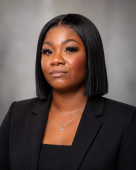
Suicidal
Deshonda Davis
Licensed Clinical Social Worker, LMSW-C, CCIS-II
Experiencing suicidal thoughts can feel frightening, isolating, and difficult to discuss, but support is available. I provide a compassionate, nonjudgmental space to explore emotional distress, identify protective factors, and strengthen coping strategies and support systems. Treatment prioritizes safety, collaborative safety planning, and appropriate assessment of risk while helping clients work toward stability and hope.
5 Years Experience
Online in Lansing, MI (Online Only)

Suicidal
Dr. Susie Gross
Psychologist, PsyD, LP, ICAADC
Whether the shades are partially drawn or nearly shuttered, I offer hope to those feeling helpless and hopeless.
20 Years Experience
Online in Lansing, MI

Suicidal
Josh Murray- Hopeful Minds
Psychologist, MA, LLP
Individuals with psychiatric disorders, particularly bipolar disorder, depression, schizophrenia, post-traumatic stress disorder (PTSD), and substance abuse are at higher risk of suicide. So, too, are those with anxiety disorders, especially severe anxiety. Veterans and military personnel, members of the LGBTQ community, and white men ages 44-64 and 85 and older are also more impacted by suicide.
A fact sheet from the American Foundation for Suicide Prevention shows that 12 million Americans had suicidal thoughts, and about 1.4 million tried to carry out those suicidal ideations. Among those whose death resulted from suicide, men were 3.63 times more likely than women to end their lives. Women, however, attempted suicide 1.66 times more than men. Tragically, in 90 percent of the suicide deaths, the individuals had a diagnosable mental health disorder or condition.
When considering therapies that can relieve suicidal thoughts, it’s important to recognize that there’s no single approach that’s universally effective. Different treatments have different efficacy for different disorders. Someone with treatment-resistant depression who’s experiencing chronic suicidal thoughts may benefit more from certain types of suicidal therapy than someone who’s thought about suicide after losing a loved one or feels hopeless following a lengthy illness or terminal diagnosis.
A suicide-specific form of psychotherapy, cognitive-behavioral therapy for suicide prevention (CT-SP) has shown impressive results in reducing suicidal thoughts and repeat suicide attempts, reducing depressive symptoms, and increasing hope. A primary treatment focus is reducing suicide risk factors and increasing coping skills. Central to the therapy is the tenet that the individual will continue to have stressors and problems, but armed with effective coping skills, they’ll no longer be automatically triggered to suicidal behavior.
This form of suicidal therapy includes a strategy for relapse prevention and making use of a hope kit to help prevent subsequent suicidal behavior.
5 Years Experience
Online in Lansing, MI

Suicidal
Counseling for All
Licensed Mental Health Counselor, MA. LPC
My approach to working with individuals experiencing suicidality is compassionate and client-centered. Creating a safe and non-judgmental space for clients to share their pain is essential in helping them navigate through difficult emotions and challenges. My commitment to understanding and supporting my clients, while also promoting positive coping skills, demonstrates our dedication to your well-being.
Focusing on individual strengths and existing positives is an empowering way to address negative patterns and obstacles, ultimately guiding clients towards a more purposeful life. My emphasis on building a strong, supportive, and professional relationship underscores the importance of collaboration in achieving positive outcomes.
I provide vital support to individuals facing challenges, and ensure clients will benefit greatly from my compassionate approach and dedication to their growth and well-being.
15 Years Experience
Online in Lansing, MI (Online Only)
Suicidal Thoughts therapists in Lansing, MI Statistics
Suicidal Thoughts therapists in Lansing, MI average 14 years of experience and charge around $213 per session. 100% offer online sessions. The top treatment approaches are Cognitive Behavioral Therapy (CBT) (79%), Dialectical Behavior Therapy (DBT) (43%), and Acceptance & Commitment Therapy (ACT) (40%).
Average years in practice
14 Years Experience
Average cost per session
$213
Accept insurance
60%
Offer sliding scale
43%
Gender ID
| 59% |
Female |
|
| 33% |
Male |
|
| 4% |
Gender Fluid |
|
| 4% |
Non-Binary |
|
Session Type
| 74% |
In Person and Online |
|
| 26% |
Online Only |
|
Top Treatment Approaches
| 79% | Cognitive Behavioral Therapy (CBT) |
| 43% | Dialectical Behavior Therapy (DBT) |
| 40% | Acceptance & Commitment Therapy (ACT) |
| 38% | Person-Centered Therapy (Rogerian) |
| 36% | Psychodynamic Therapy |
| 36% | Solution-Focused Brief Therapy (SFBT) |
| 33% | Behavioral Therapy |
Ages Served
| 98% | Adult |
| 81% | Young Adult |
| 71% | Teen |
| 55% | Senior |
| 36% | Children |
Client Focus
| 57% | Women |
| 52% | LGBTQ+ |
| 43% | Men |
| 40% | Military / Veterans |
| 36% | Christian |