Sleep Disorder therapists in Saint Clair Shores, MI
Browse Sleep Disorder therapists in Saint Clair Shores, Michigan. Compare credentials, specialties and therapeutic approach. Contact a therapist to learn more.
Sleep Issues
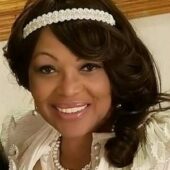
Barbara J. Biggs
Professional Christian Counselor, M.A., LLPC
As a therapist specializing in sleep disorders, my primary goal is to help individuals achieve restful and restorative sleep patterns. I understand the profound impact that sleep has on overall well-being, and I am dedicated to assisting clients in overcoming the challenges associated with sleep disturbances. Through a personalized and evidence-based approach, I work closely with clients to identify the underlying causes of their sleep problems, whether they're related to insomnia, sleep apnea, restless leg syndrome, or other sleep disorders. Together, we develop tailored strategies and lifestyle adjustments to promote healthier sleep hygiene and improve the quality and duration of sleep. My mission is to empower clients to regain control over their sleep, enhance their physical and mental health, and ultimately lead more fulfilling lives.
14 Years Experience
In-Person Near Saint Clair Shores, MI
Online in Saint Clair Shores, MI
Sleep Issues
Transformational Choices
Therapist, LMSW, LPC, CAADC, LLMSW
With a plethora of therapists on our team we have the ability to meet many needs including Sleep Disorders. We will be able to fit you with a therapist who will meet you wherever you are on your journey. We are here to serve you.
In-Person Near Saint Clair Shores, MI
Online in Saint Clair Shores, MI
Sleep Issues
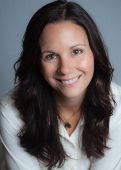
Jennifer A Kodrik, PsyD
Psychologist, PsyD
If you're lying awake replaying the day, or waking up exhausted no matter how many hours you clocked, you're not alone — and you're not doing anything wrong. Together we'll look at what's disrupting your rest and build a realistic plan to help you fall asleep, stay asleep, and wake up feeling like yourself again.
Call Today for a free 15 minute phone consultation.
21 Years Experience
Online in Saint Clair Shores, MI (Online Only)

Sleep Issues
Centered Therapy Chicago
Psychologist, PsyD
We work with clients who experience sleep disorders offering treatment including CBT-I.
13 Years Experience
Online in Saint Clair Shores, MI
Sleep Issues
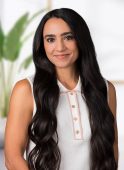
Dr. Amy Karbasi
Psychologist, PsyD
I provide therapy for adults experiencing sleep disorders, including insomnia and difficulty falling asleep, staying asleep, or waking earlier than desired. I use Cognitive Behavioral Therapy for Insomnia (CBT-I), an evidence-based treatment that addresses the behavioral, cognitive, and physiological patterns that can interfere with restorative sleep. This treatment focuses on helping you develop healthier sleep patterns while addressing anxiety, stress, racing thoughts, unhelpful habits, designing a sleep window (bed and wake time) that are the right fit for your body and lifestyle, and other factors that may be contributing to ongoing sleep difficulties. I also treat nightmares using cognitive-behavioral and trauma-focused therapy.
14 Years Experience
Online in Saint Clair Shores, MI (Online Only)
Sleep Disorder therapists in Saint Clair Shores, MI Statistics
Sleep Disorder therapists in Saint Clair Shores, MI average 15 years of experience and charge around $206 per session. 100% offer online sessions. The top treatment approaches are Cognitive Behavioral Therapy (CBT) (87%), Acceptance & Commitment Therapy (ACT) (65%), and Behavioral Therapy (39%).
Average years in practice
15 Years Experience
Average cost per session
$206
Accept insurance
43%
Offer sliding scale
35%
Gender ID
| 59% |
Female |
|
| 33% |
Male |
|
| 5% |
Non-Binary |
|
| 3% |
Gender Fluid |
|
Session Type
| 56% |
Online Only |
|
| 44% |
In Person and Online |
|
Top Treatment Approaches
| 87% | Cognitive Behavioral Therapy (CBT) |
| 65% | Acceptance & Commitment Therapy (ACT) |
| 39% | Behavioral Therapy |
| 26% | Solution-Focused Brief Therapy (SFBT) |
| 24% | Interpersonal Therapy (IPT) |
| 24% | Psychodynamic Therapy |
| 22% | Cognitive Processing Therapy (CPT) |
Ages Served
| 100% | Adult |
| 65% | Young Adult |
| 63% | Senior |
| 35% | Teen |
| 20% | Children |
Client Focus
| 46% | Women |
| 33% | Men |
| 33% | Military / Veterans |
| 30% | LGBTQ+ |
| 24% | Persons with Disabilities |