Dissociative Disorders therapists in Castle Hill, New South Wales NSW, Australia AU
We are proud to feature top rated Dissociative Disorders therapists in Castle Hill. We encourage you to review each profile to find your best match.

Dissociation
Mind Health
Psychologist, Psychologists & Allied Health Experts
Dissociative disorders can disrupt one's sense of identity, memory, and perception, leading to feelings of disconnection from oneself and the surrounding world. At Mind Health, our compassionate clinicians employ evidence-based therapies tailored to address the unique challenges associated with dissociative disorders. Through personalised treatment plans, we aim to help individuals integrate fragmented aspects of their experiences, develop effective coping strategies, and enhance overall psychological well-being.
22 Years Experience
In-Person Near Castle Hill, NSW
Online in Castle Hill, NSW New South Wales

Dissociation
Gaye Mallinson - Somatic Psychotherapies
Counsellor/Therapist, B.Soc.Ser. (Couns) Dist, Dip. Couns, Trauma Informed Yoga Cert, Pranayama Cert, Nidra Cert
I work primarily from a Rogerian or Person-Centred Therapy (PCT) approach using a conversational style listening patiently to you, always with empathy, genuineness and without judgement, to help find the solutions you desire for your life whilst adjusting my techniques to fit your needs within each session.
Due to my background in nursing and mental health, I have a good understanding of dissociative disorder issues including dissociative identity disorder (DID) and it can impact the person, including the potential impacts for those around them. I can utilise specific somatic (mind/body) therapy techniques within the therapy session to support greater healing of the often underlying past trauma, without the need to discuss the details of the trauma. These gentle but effective techniques create a greater connection with sense of self.
My aim is to assist you with your dissociative difficulties to restore balance, happiness and inner peace (using the various techniques of 'talk therapy' and somatic (mind/body) healing methods) along with offering practical strategies that may be useful where suitable and desired by you. Whatever you are going through, know that there is hope - Let me help you find that hope.
11 Years Experience
Online in Castle Hill, NSW New South Wales (Online Only)
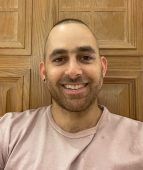
Dissociation
Rakan Himadeh
Somatic Experiencing Practitioner, SEP, ISP Candidate
Dissociation is a natural protective response to overwhelm. SE works gently with small, manageable sensations to help clients stay present without being flooded. It supports grounding, embodiment, and restoring a sense of safety in the body.
4 Years Experience
Online in Castle Hill, NSW New South Wales (Online Only)

Dissociation
Quatro Wellbeing - Couples & Relationships- Individuals- EMDR- Relational Psychotherapy
Registered Psychotherapist, Clinical Psychotherapist, Clinical EMDR Practitioner, Accredited Gottman Relationship Therapist
Our immediate goal is to help alleviate emotional pain and confusion and to build self confidence and coping skills. To do this we specialise in short, to long term, psychodynamic psychotherapy which consist of a series of conversations between you and your therapist.
These conversations are conducted with sensitivity, warmth and understanding in the confidential space of our consulting rooms or if preferred via Telehealth.
Our work is informed by a variety of contemporary psychological models of therapy. Most notable of these being the Conversational Model. This means we explore with you how past experiences and learned behaviour come together to influence your present day thinking and the effect that has on your future life goals and expectations. Whatever approach is best suited to you is framed around your specific needs and treatment plan that we build in collaboration with you. Our hope is the the work we do together will assist in integrating all parts of your psychological life and be demonstrated in your improved self care and life choices.
Areas of special interest include:
Trauma and PTSD and CPTSD
Anxiety (including phobias, panic attacks, generalised anxiety, social anxiety)
Relationship concerns and ruptures in the bond
Attachment issues
Improving self-esteem
Stress management
Grief and Loss
Healing from emotional abuse
Healing from childhood abuse
Depression
Mental Health disorders
31 Years Experience
Online in Castle Hill, NSW New South Wales

Dissociation
Dr Israel Berger
Therapist, MBBS, FRANZCP, PGCert(Youth Mental Health), MPsych, PhD(Psych), CCTP
I have worked with people with a variety of dissociative disorders, including dissociative identity disorder, post-traumatic stress disorder with derealisation/depersonalisation, and borderline personality disorder. For DID, my aim is to help you to function at your best, not to forcibly integrate personalities (which can be very damaging). For other dissociative disorders, my aim is to help you reduce your symptoms and improve function and relationships.
20 Years Experience
Online in Castle Hill, NSW New South Wales
Dissociative Disorders therapists in Castle Hill, New South Wales, Australia Statistics
Dissociative Disorders therapists in Castle Hill, New South Wales, Australia average 16 years of experience and charge around $195 per session. 100% offer online sessions. The top treatment approaches are Person-Centered Therapy (Rogerian) (64%), Cognitive Behavioral Therapy (CBT) (57%), and Interpersonal Therapy (IPT) (57%).
Average years in practice
16 Years Experience
Average cost per session
$195
Accept insurance
57%
Offer sliding scale
57%
Gender ID
| 53% |
Male |
|
| 35% |
Female |
|
| 12% |
Non-Binary |
|
Session Type
| 71% |
In Person and Online |
|
| 29% |
Online Only |
|
Top Treatment Approaches
| 64% | Person-Centered Therapy (Rogerian) |
| 57% | Cognitive Behavioral Therapy (CBT) |
| 57% | Interpersonal Therapy (IPT) |
| 57% | Solution-Focused Brief Therapy (SFBT) |
| 50% | Emotionally Focused Therapy (EFT) |
| 50% | Family Systems Therapy |
| 50% | Internal Family Systems (IFS) |
Ages Served
| 93% | Adult |
| 79% | Senior |
| 79% | Young Adult |
| 57% | Teen |
| 29% | Children |
Client Focus
| 79% | Women |
| 71% | LGBTQ+ |
| 71% | Men |
| 64% | Persons with Disabilities |
| 57% | Asian |