Trauma and PTSD therapists in Clemmons, NC
Find experienced trauma and PTSD therapists in Clemmons, North Carolina who provide testing, evidence-based treatment for trauma, post-traumatic stress disorder, and related challenges such as anxiety, depression, and stress. Compare detailed therapist profiles and connect with a provider that’s right for you.
PTSD/Trauma
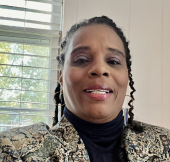
Dr. Cathy E. Pickett
Licensed Professional Counselor, LCMHC, LCA, CCTP, NCC
Trauma can affect how you think, feel, respond to situations, and relate to yourself and others. I provide a safe, compassionate, trauma-informed environment to help you process difficult experiences and develop healthier coping strategies. We work with approaches such as CBT, DBT, mindfulness, and emotional regulation to help you feel more grounded and regain a sense of control. I help you understand that being traumatized you sometimes get struck in the fight, flight, freeze and fawn. Helping you challenge what you are thinking and feeling.
12 Years Experience
In-Person Near Clemmons, NC
Online in Clemmons, NC

PTSD/Trauma
Jonathan Schmalz
Psychologist, PhD, HSP-P
A trauma-informed approach underlies all of my work as a therapist. I know that many clients come to therapy not specifically because of trauma, but because they feel lonely or inadequate, they are depressed or anxious, or just cannot seem to have the intimacy they crave. Sometimes acknowledging trauma comes later in the therapy work and that is okay. Just know that I trust that you will talk about it when you are ready.
I would like to join you in acknowledging how the past has affected your present and in charting a course to healing that works for you. You may wish to talk about particular pains from the past and you may wish to focus on the future. We will work together to find the balance that is right for you, so that you can live the life that you really want to live.
17 Years Experience
In-Person Near Clemmons, NC
Online in Clemmons, NC

PTSD/Trauma
Kreins Psychological Services
Psychologist, PhD, PsyD
As a psychologist specializing in trauma and PTSD, my treatment approach is rooted in compassion, safety, and evidence-based interventions. Through therapies such as cognitive processing therapy (CPT), eye movement desensitization and reprocessing (EMDR), and trauma-focused cognitive-behavioral therapy (TF-CBT), I collaborate with individuals to process traumatic memories, challenge negative beliefs, and develop effective coping strategies. Creating a safe therapeutic environment is paramount, allowing clients to explore their experiences at their own pace while feeling supported and validated. Psychoeducation about trauma responses and self-regulation techniques empowers individuals to manage symptoms and regain a sense of control over their lives. Additionally, I integrate mindfulness practices, relaxation techniques, and grounding exercises to promote emotional regulation and resilience. My goal is to facilitate healing, restore a sense of safety, and empower individuals to thrive beyond their traumatic experiences.
26 Years Experience
Online in Clemmons, NC

PTSD/Trauma
Sarah J Thompson
Counselor/Therapist, MEd, LPC, LCMHC
Most people will experience trauma in their lifetime whether it’s a car accident, abuse or neglect, the sudden death of a loved one, a violent criminal act, exposure to the violence of war, or a natural disaster.
While many people can recover from trauma over time with the love and support of family and friends and bounce back with resiliency, others may discover effects of lasting trauma, which can cause a person to live with deep emotional pain, fear, confusion, or post-traumatic stress far after the event has passed.
In these circumstances, the support, guidance, and assistance of a therapist is fundamental to healing from trauma.
Trauma Symptoms
According to the four types of symptoms listed in the DSM-5
Avoidance Symptoms
Avoiding specific locations, sights, situations, and sounds that serve as reminders of the event
Anxiety, depression, numbness, or guilt
Re-experiencing Symptoms
Intrusive thoughts, nightmares or flashbacks
Hyperarousal Symptoms
Anger, irritability, and hypervigilance
Aggressive, reckless behavior, including self-harm
Sleep disturbances
Negative Mood and Cognition Symptoms
Loss of interest in activities that were once considered enjoyable
Difficulty remembering details of the distressing event
Change in habits or behavior since the trauma
Research has proven psychotherapy to be the most effective form of treatment for trauma. Most commonly, cognitive behavioral therapy (CBT) and eye movement desensitization and reprocessing (EMDR) are used in treating trauma.
If you or someone you know matches the trauma symptoms listed above, I am confident that I can help and invite you to contact me today for a free consultation.
17 Years Experience
Online in Clemmons, NC

PTSD/Trauma
Michelle Emerick
Psychologist, PsyD
Trauma isn't just an event that we experience, it's also how our world responds to our experience. These layers impact us and can leave lasting wounds. We subconsciously learn lessons about the safety and security of our world. But these lessons can come at a cost to us as individuals. Therapy can help you understand the impact of your experiences and how to move forward with more compassion for yourself and what you have gone through and also develop more tools for how to navigate our physical and emotional responses.
22 Years Experience
Online in Clemmons, NC (Online Only)
Trauma and PTSD therapists in Clemmons, NC Statistics
Trauma and PTSD therapists in Clemmons, NC average 15 years of experience and charge around $202 per session. 100% offer online sessions. The top treatment approaches are Cognitive Behavioral Therapy (CBT) (72%), Acceptance & Commitment Therapy (ACT) (38%), and Person-Centered Therapy (Rogerian) (33%).
Average years in practice
15 Years Experience
Average cost per session
$202
Accept insurance
42%
Offer sliding scale
37%
Gender ID
| 66% |
Female |
|
| 29% |
Male |
|
| 3% |
Non-Binary |
|
| 2% |
Gender Fluid |
|
Session Type
| 56% |
In Person and Online |
|
| 44% |
Online Only |
|
Top Treatment Approaches
| 72% | Cognitive Behavioral Therapy (CBT) |
| 38% | Acceptance & Commitment Therapy (ACT) |
| 33% | Person-Centered Therapy (Rogerian) |
| 30% | Emotionally Focused Therapy (EFT) |
| 29% | Psychodynamic Therapy |
| 26% | Existential / Humanistic Therapy |
| 26% | Solution-Focused Brief Therapy (SFBT) |
Ages Served
| 99% | Adult |
| 69% | Young Adult |
| 49% | Senior |
| 38% | Teen |
| 16% | Children |
Client Focus
| 58% | Women |
| 42% | LGBTQ+ |
| 40% | Men |
| 30% | Military / Veterans |
| 23% | Black / African American |