Psychosis therapists in Greensboro, NC
Browse Psychosis therapists in Greensboro, North Carolina. Compare credentials, specialties and therapeutic approach. Contact a therapist to learn more.

Psychosis
Dr. Trey Cole
Psychologist, Psy.D., ABPP, DAAETS
I provide compassionate support for individuals experiencing psychosis, focusing on understanding and reducing distressing experiences. Together, we work on coping strategies, emotional regulation, and building routines to enhance daily functioning. My goal is to help clients regain stability, confidence, and a sense of empowerment in their lives.
19 Years Experience
Online in Greensboro, NC

Psychosis
Grace in the Shadows
Licensed Professional Counselor, PhD, MDiv, MA, NCMHC, ALMHC, VALMHC, SCMHC, FLMHC, KYMHC, IDMHC
I approach psychosis with a compassionate and faith-based perspective, integrating psychological expertise with Christian principles to provide support and guidance. Recognizing the profound challenges faced by individuals experiencing psychosis, I create a safe and empathetic space that incorporates prayer, scriptural reflection, and discussions on faith. Collaborating with other mental health professionals as needed, I work to help individuals and their families navigate the complexities of psychosis within the context of their Christian beliefs. While respecting the need for psychiatric intervention and medication, I address the spiritual and emotional aspects of the individual's experience. This holistic approach aims to support individuals in finding strength, hope, and a sense of purpose grounded in their Christian faith as they navigate the challenges associated with psychosis.
11 Years Experience
Online in Greensboro, NC (Online Only)
Psychosis
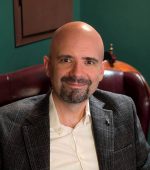
Dr. Brian Sharpless
Psychologist, Ph.D., Clinical Psychology; M.A., Philosophy
Psychotic disorders can have a profound effect on people's lives. However, therapy can be a helpful addition to medication and other treatments. I have experience treating psychotic disorders using Psychodynamically-Oriented Supportive Therapy (POST) and other approaches. I have also published professional works on hallucinations and delusions. Please note that I only do individual therapy (i.e., not couple's or family therapy).
19 Years Experience
Online in Greensboro, NC

Psychosis
Afi kpakossou
Psychiatric Nurse Practitioner, PMHNP-BC
I provide specialized care for patients experiencing psychosis, including assessment, medication management, and supportive therapy. My approach prioritizes safety, symptom reduction, and helping patients reconnect with their goals and community.
3 Years Experience
Online in Greensboro, NC (Online Only)

Psychosis
Dr. Jeff J. Rocker
Licensed Mental Health Counselor, PH.D, NCC, LMHC, LCPC, LPC
Rocker Health has experienced and competent staff to deal with these issues.
15 Years Experience
Online in Greensboro, NC
Greensboro is home to multiple universities — including the University of North Carolina at Greensboro, North Carolina A&T State University, and Guilford College — creating significant student mental health demand and a historically grounded HBCU community with deep connections to the civil rights movement. The city's textile and furniture manufacturing heritage has given way to healthcare, education, and distribution as primary economic drivers, and therapists frequently address occupational transitions and the identity challenges of a post-industrial workforce. Cone Health provides major institutional mental health resources, alongside a private practice community serving the Fisher Park and Irving Park neighborhoods. Greensboro's significant Vietnamese, Korean, and Latino communities drive growing demand for culturally affirming and multilingual therapists.
Psychosis therapists in Greensboro, NC Statistics
Psychosis therapists in Greensboro, NC average 18 years of experience and charge around $210 per session. 100% offer online sessions. The top treatment approaches are Cognitive Behavioral Therapy (CBT) (56%), Psychodynamic Therapy (56%), and Existential / Humanistic Therapy (44%).
Average years in practice
18 Years Experience
Average cost per session
$210
Accept insurance
67%
Offer sliding scale
44%
Gender ID
| 61% |
Male |
|
| 31% |
Female |
|
| 8% |
Non-Binary |
|
Session Type
| 67% |
In Person and Online |
|
| 33% |
Online Only |
|
Top Treatment Approaches
| 56% | Cognitive Behavioral Therapy (CBT) |
| 56% | Psychodynamic Therapy |
| 44% | Existential / Humanistic Therapy |
| 44% | Interpersonal Therapy (IPT) |
| 44% | Psychoanalytic Therapy |
| 33% | Behavioral Therapy |
| 33% | Compassion-Focused Therapy (CFT) |
Ages Served
| 100% | Adult |
| 78% | Young Adult |
| 67% | Teen |
| 56% | Senior |
| 33% | Children |
Client Focus
| 56% | Christian |
| 56% | Men |
| 56% | Military / Veterans |
| 44% | Persons with Disabilities |
| 44% | Women |