OCD therapists in Hope Mills, NC
Browse OCD therapists in Hope Mills, North Carolina. Compare credentials, specialties and therapeutic approach. Contact a therapist to learn more.

OCD
Dr. Alisha Desai
Psychologist, PhD
Obsessive-compulsive disorder (OCD) makes you feel trapped in cycles of intrusive thoughts, doubt, and compulsions that offer relief in the moment but ultimately keep the cycle going. Whether you find yourself checking, seeking reassurance, mentally reviewing situations, or trying to eliminate unwanted thoughts, these patterns have taken a significant toll on your life. Using evidence-based treatments, such as Exposure and Response Prevention (ERP), we’ll work to help you change your relationship with uncertainty and break free from the cycles that keep you stuck.
9 Years Experience
Online in Hope Mills, NC (Online Only)

OCD
Amanda S. Vaught
Psychologist, PsyD
I work collaboratively with clients to understand how obsessive thoughts and compulsive behaviors affect their lives. Using evidence-based approaches such as Cognitive Behavioural Therapy (CBT) and Exposure and Response Prevention (ERP), we identify unhelpful patterns and practice new ways of responding to anxiety and uncertainty. Together, we build skills to reduce compulsions, manage intrusive thoughts, and regain a sense of control. My goal is to help clients find relief, confidence, and freedom from OCD’s grip.
14 Years Experience
Online in Hope Mills, NC (Online Only)

OCD
Nour Counseling
Counselor/Therapist
OCD is often misunderstood as being about neatness or liking things a certain way—but for people actually living with it, it can feel relentless. Intrusive thoughts that don’t match your values, urges that don’t make sense, and mental or behavioral rituals that temporarily reduce anxiety but keep the cycle going. It can be exhausting, confusing, and isolating—especially when the content of the thoughts feels disturbing or hard to talk about. Many people spend a lot of time trying to manage or hide it, while also questioning themselves in the process.
At Nour Counseling, we take OCD seriously and we treat it directly. We help you understand how the OCD cycle works—why the thoughts stick, why the anxiety spikes, and how compulsions reinforce the pattern. From there, we use structured, evidence-based approaches to help you gradually face what feels uncomfortable without relying on rituals, so your brain can learn something different. We also tailor this work to your real life, taking into account your values, your environment, and the cultural or religious context that may shape how OCD shows up for you. This is active, collaborative work focused on helping you feel less controlled by the cycle and more able to move through your life with freedom and clarity.
9 Years Experience
Online in Hope Mills, NC (Online Only)
OCD
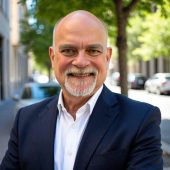
Montgomery Counseling Group
Licensed Clinical Social Worker, LCSW, LCSWA, LCMHC, LCMHCA
We support clients struggling with intrusive thoughts, compulsions, reassurance-seeking, rumination, or avoidance. Therapy focuses on understanding OCD patterns and building healthier ways to respond to distress.
35 Years Experience
Online in Hope Mills, NC

OCD
Stacey Damkohler
Counselor/Therapist, LPC, LCMHC, LMHC, NCC, CCMHC
Your mind feels like it’s constantly searching for something to worry about, and no matter how much you try to reassure yourself, the relief never seems to last. You may experience unwanted intrusive thoughts, disturbing mental images, excessive doubt, fear of making mistakes, or an overwhelming need for certainty. Perhaps you repeatedly check locks, appliances, emails, or messages; mentally replay conversations; seek reassurance from loved ones; or feel compelled to repeat certain actions until they feel right. Some women experience intrusive fears about contamination, relationships, morality, religion, or accidentally harming someone, even when those thoughts conflict with their values.
You may spend hours overanalyzing decisions, questioning your intentions, or trying to prevent something bad from happening. These patterns can interfere with sleep, concentration, relationships, parenting, and work. You may feel ashamed, embarrassed, frustrated, mentally exhausted, or afraid to share your thoughts because you worry someone will misunderstand you. OCD is not simply being organized, particular, or perfectionistic; it involves distressing obsessions and compulsions that can significantly disrupt daily life.
I help women better understand the relationship between obsessive thoughts, anxiety, compulsive behaviors, and emotional distress. Cognitive Behavioral Therapy (CBT), particularly Exposure and Response Prevention (ERP), is the recommended first-line psychotherapy for OCD. Treatment focuses on learning to tolerate uncertainty, reducing compulsive responses, and changing the way you respond to intrusive thoughts rather than trying to eliminate every unwanted thought. When co-occurring trauma or distressing memories are present, trauma-informed therapy and EMDR may also be appropriate as part of an individualized treatment plan. My goal is to help you feel less controlled by fear, reduce the time spent engaging in compulsions, and regain confidence in your ability to navigate everyday life.
4 Years Experience
Online in Hope Mills, NC (Online Only)
OCD therapists in Hope Mills, NC Statistics
OCD therapists in Hope Mills, NC average 16 years of experience and charge around $218 per session. 100% offer online sessions. The top treatment approaches are Cognitive Behavioral Therapy (CBT) (86%), Acceptance & Commitment Therapy (ACT) (57%), and Behavioral Therapy (39%).
Average years in practice
16 Years Experience
Average cost per session
$218
Accept insurance
38%
Offer sliding scale
36%
Gender ID
| 62% |
Female |
|
| 33% |
Male |
|
| 3% |
Non-Binary |
|
| 2% |
Gender Fluid |
|
Session Type
| 53% |
In Person and Online |
|
| 47% |
Online Only |
|
Top Treatment Approaches
| 86% | Cognitive Behavioral Therapy (CBT) |
| 57% | Acceptance & Commitment Therapy (ACT) |
| 39% | Behavioral Therapy |
| 36% | Dialectical Behavior Therapy (DBT) |
| 26% | Person-Centered Therapy (Rogerian) |
| 25% | Solution-Focused Brief Therapy (SFBT) |
| 23% | Existential / Humanistic Therapy |
Ages Served
| 99% | Adult |
| 81% | Young Adult |
| 57% | Teen |
| 48% | Senior |
| 28% | Children |
Client Focus
| 58% | Women |
| 49% | LGBTQ+ |
| 44% | Men |
| 31% | Military / Veterans |
| 28% | Black / African American |